
Brick repair · Tuckpointing · Historic restoration
Tuckpointing and Brick Repair in Denver for Buildings Worth Preserving
Brick Restoration and Historic Masonry Preservation Since 1942
A family masonry craft passed down through generations.
- 1942SinceFamily Masonry Craft
- Licensedand Fully Insured
Follows the Secretary of the Interior's Standards for the Treatment of Historic Properties.
They did a fantastic job of matching the mortar and making the stone look beautiful. I could tell they did not slack on quality.
The chimney looks amazing and the brick match is exact. Bruce and the team are a RARE find!! True professionals who are brick experts.
Wall looks great and now the mural can stay up for a long time. I think the work will definitely increase my property value.
Church of the Advent bell tower restoration


Drag the divider or use the arrow keys to compare Before and After.
Most brick can be saved. Let’s find out if yours can.
From recent projects
Recent Masonry Work Across Denver
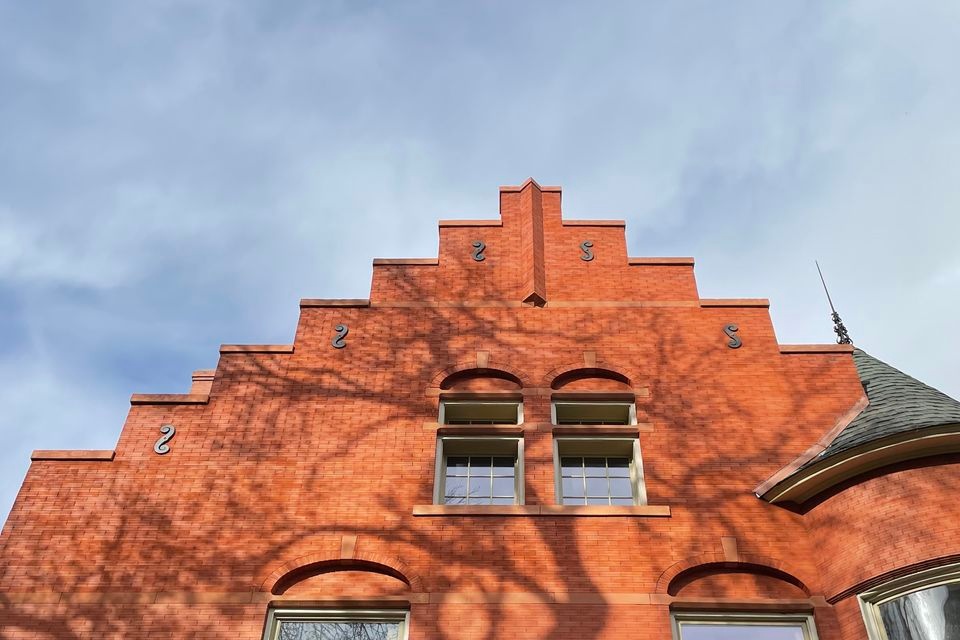
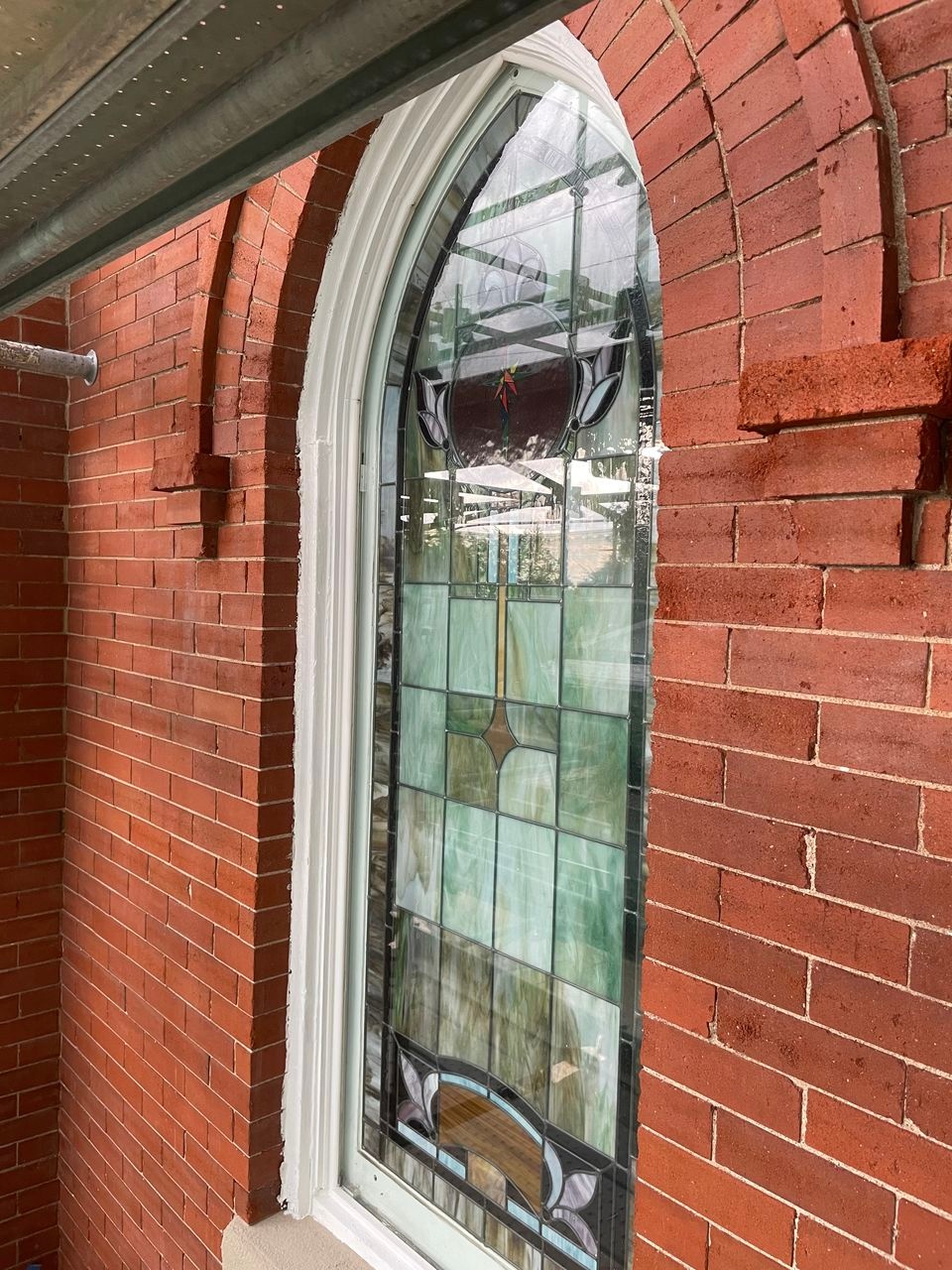
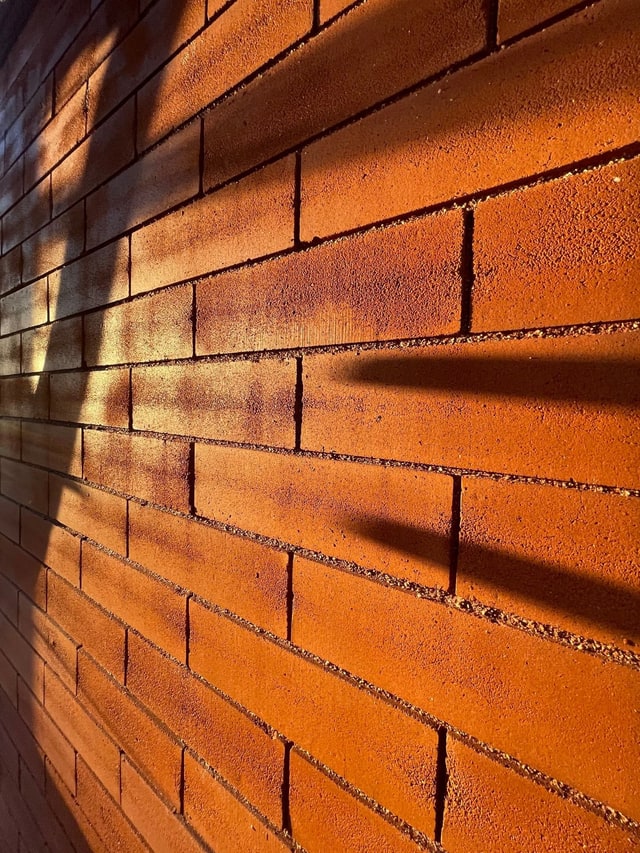
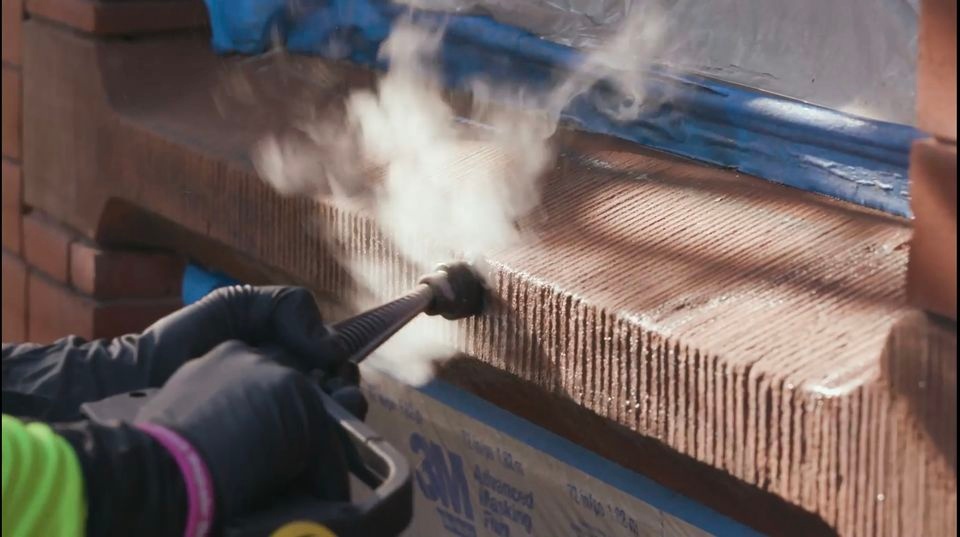
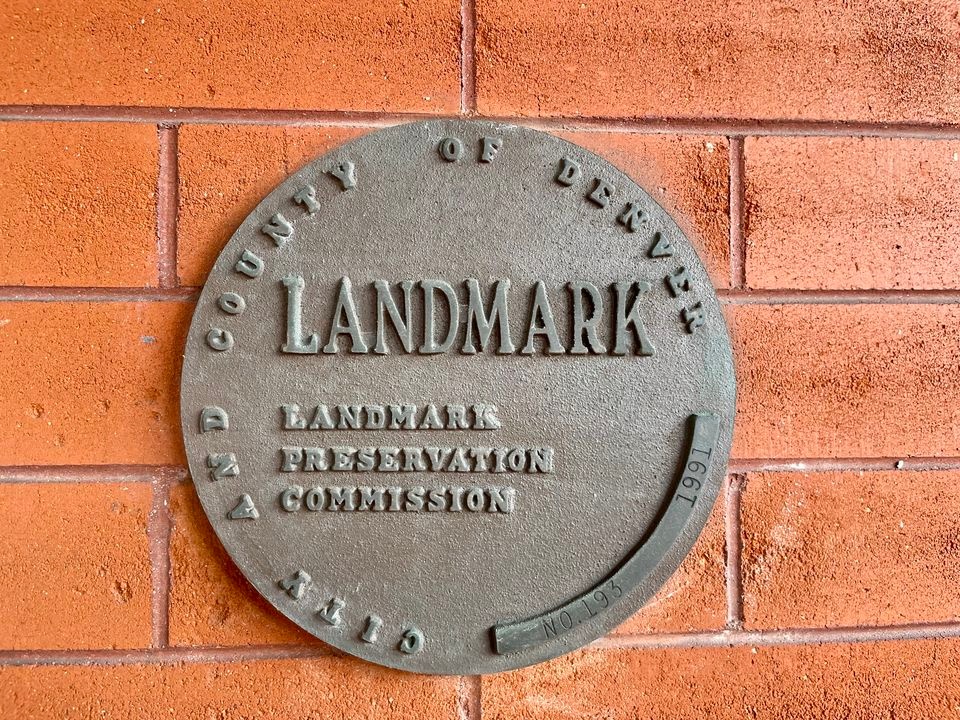
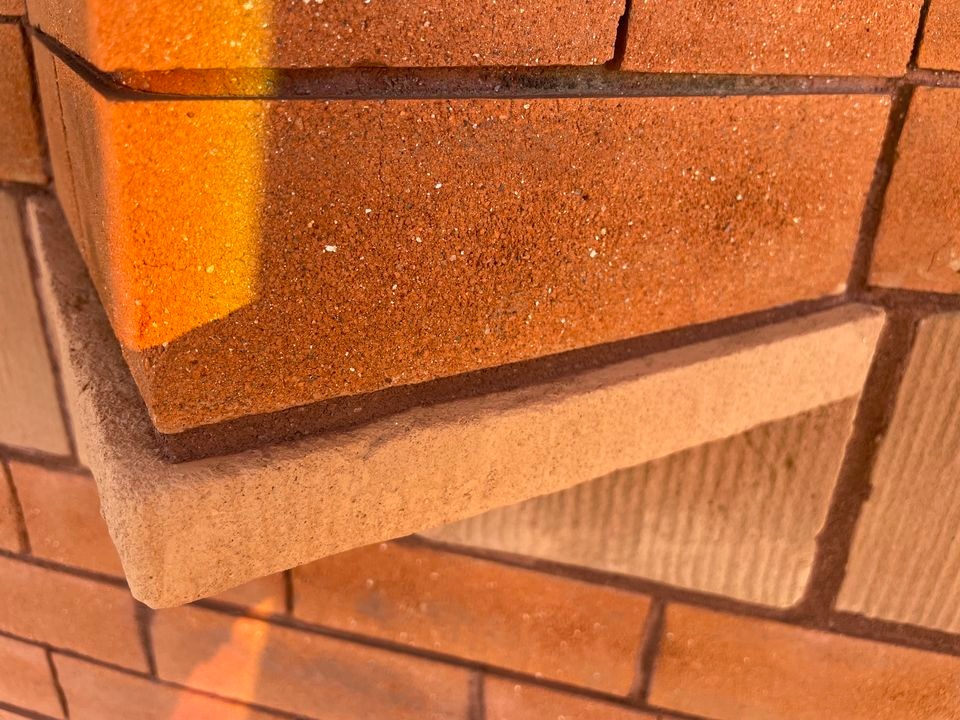
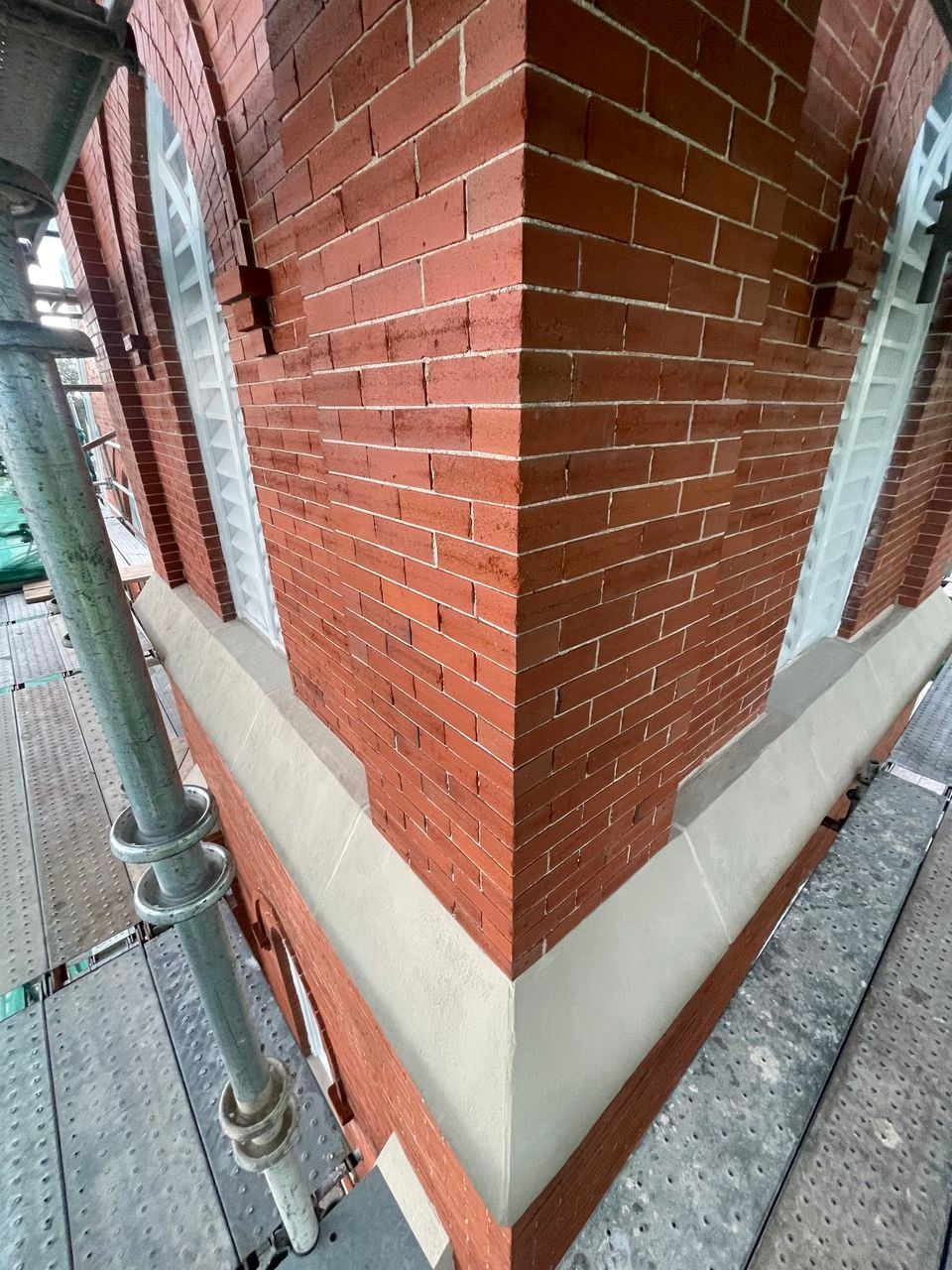
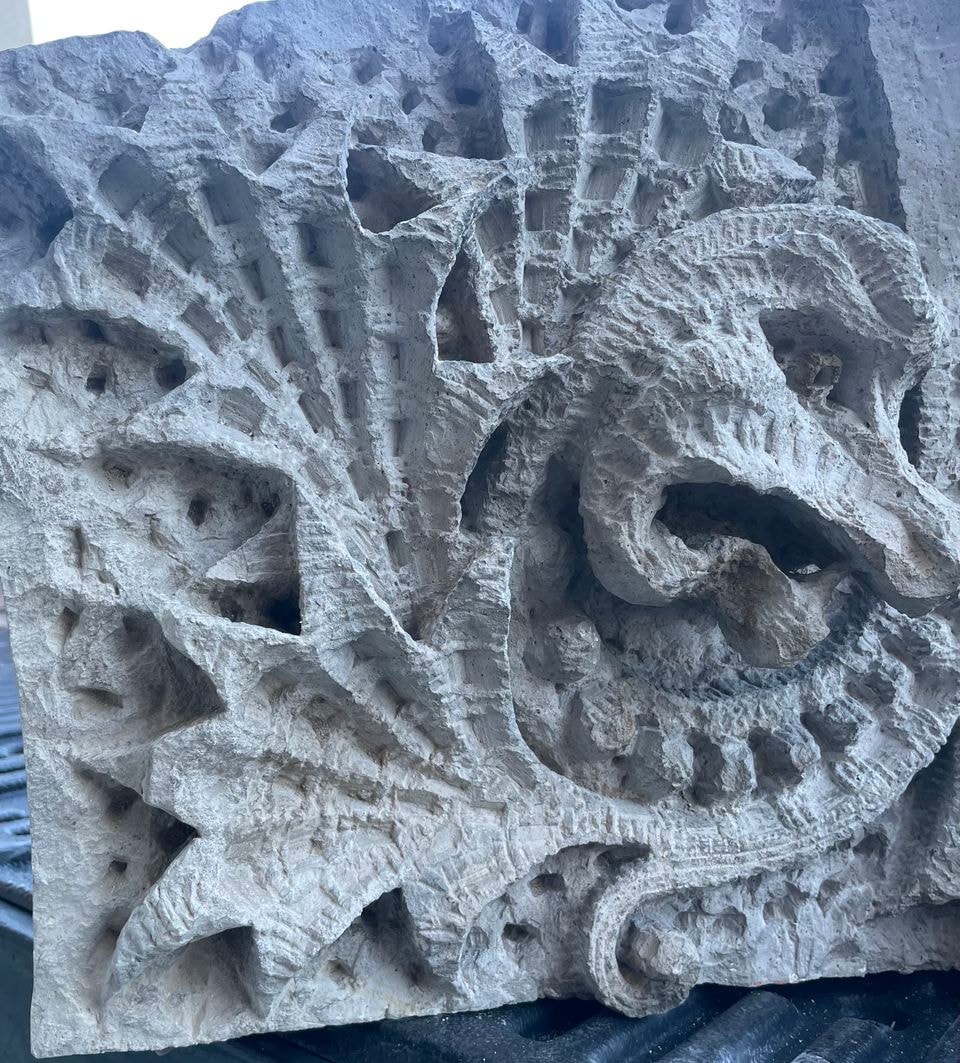
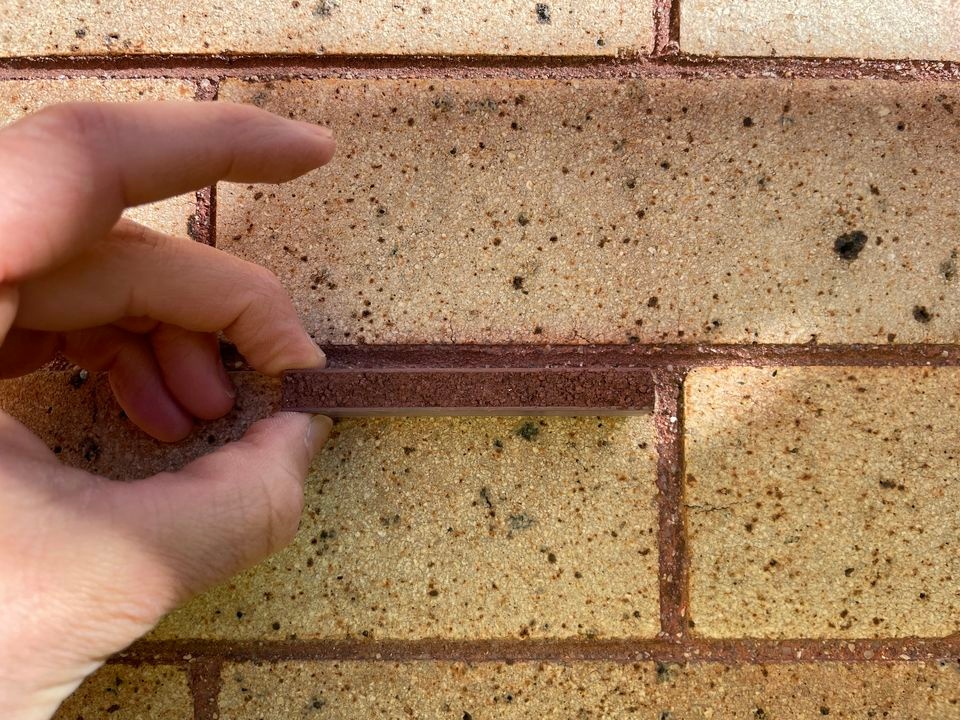
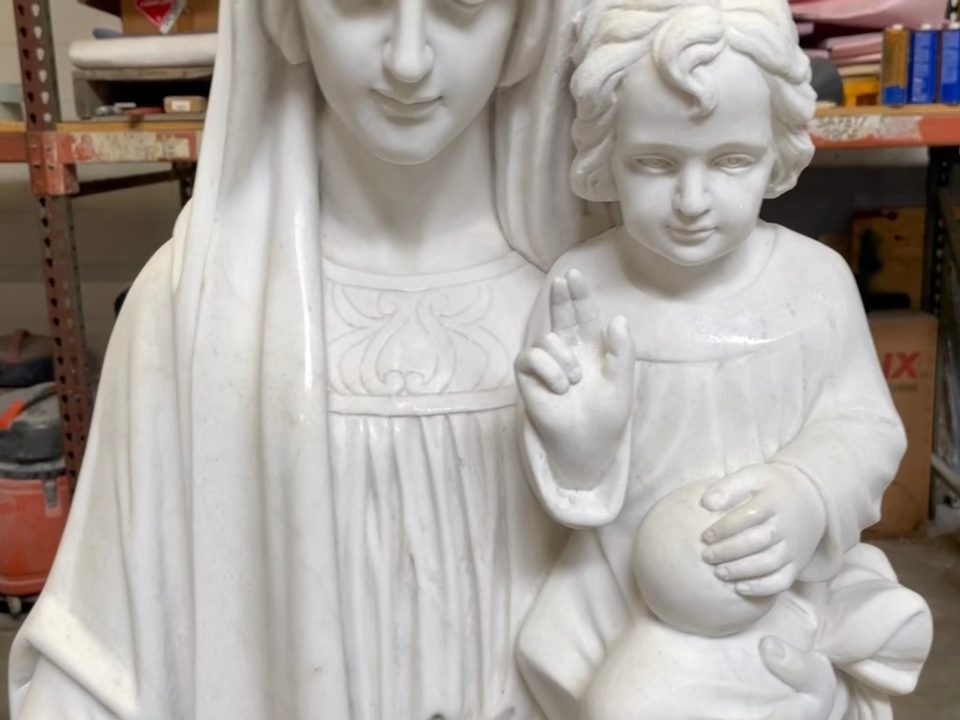
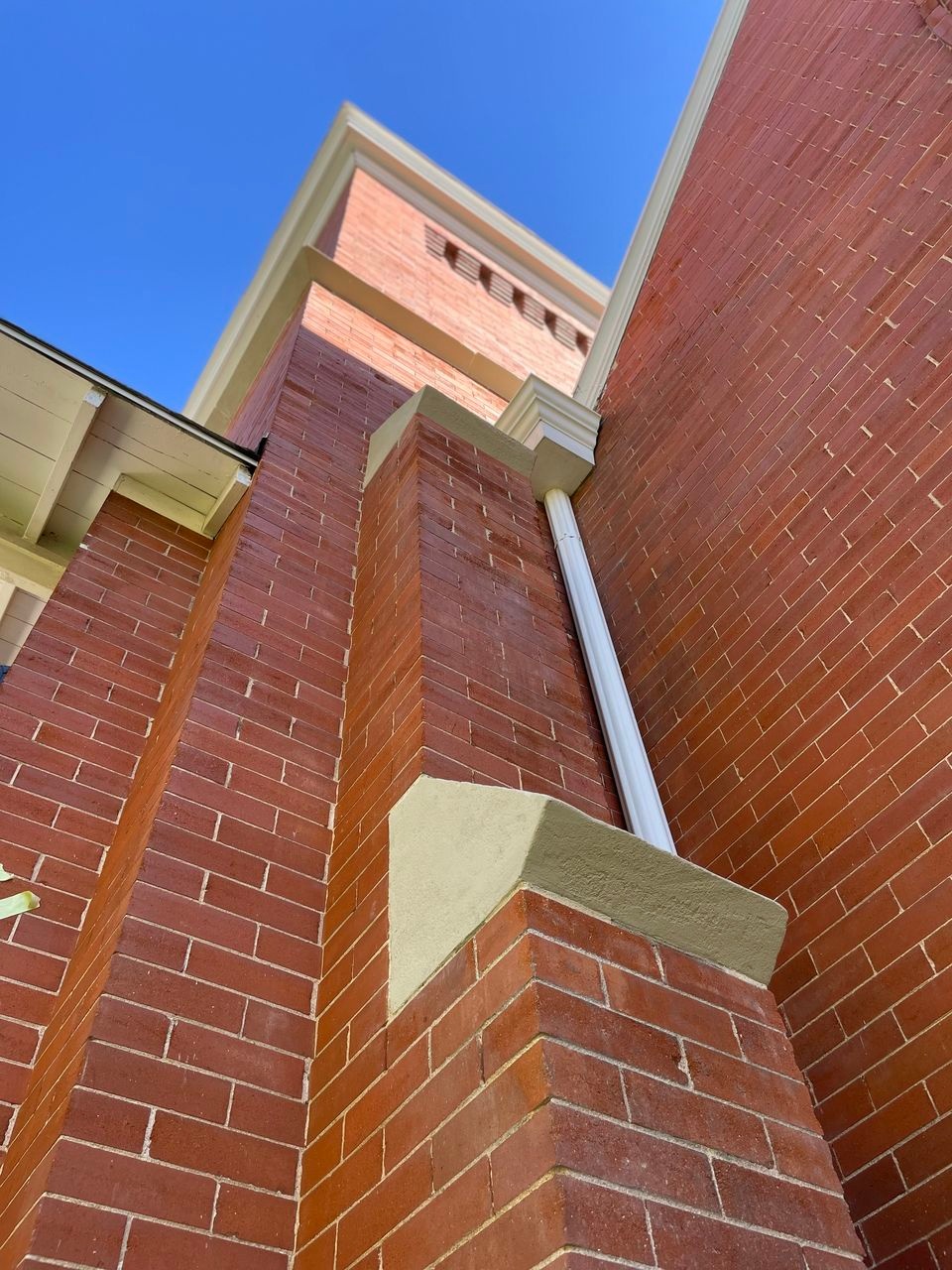
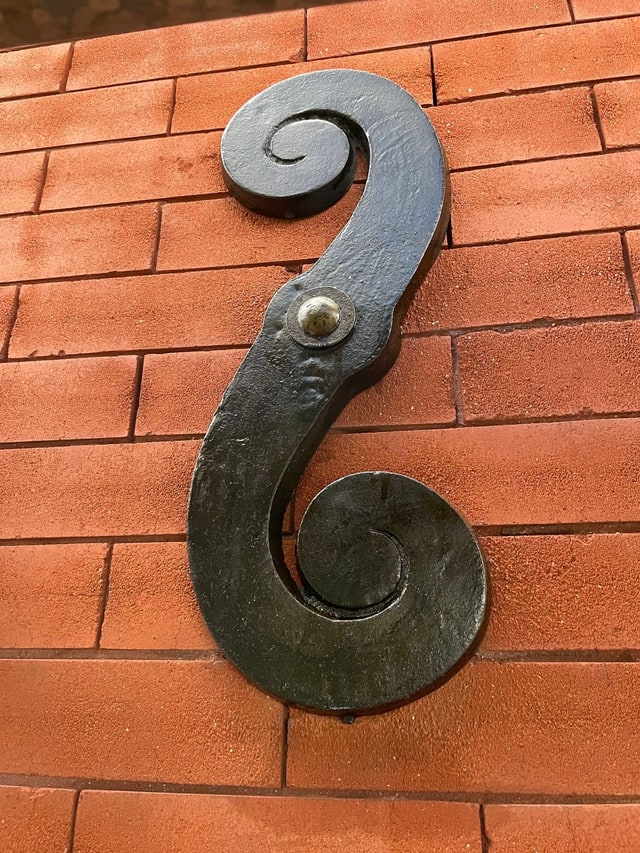
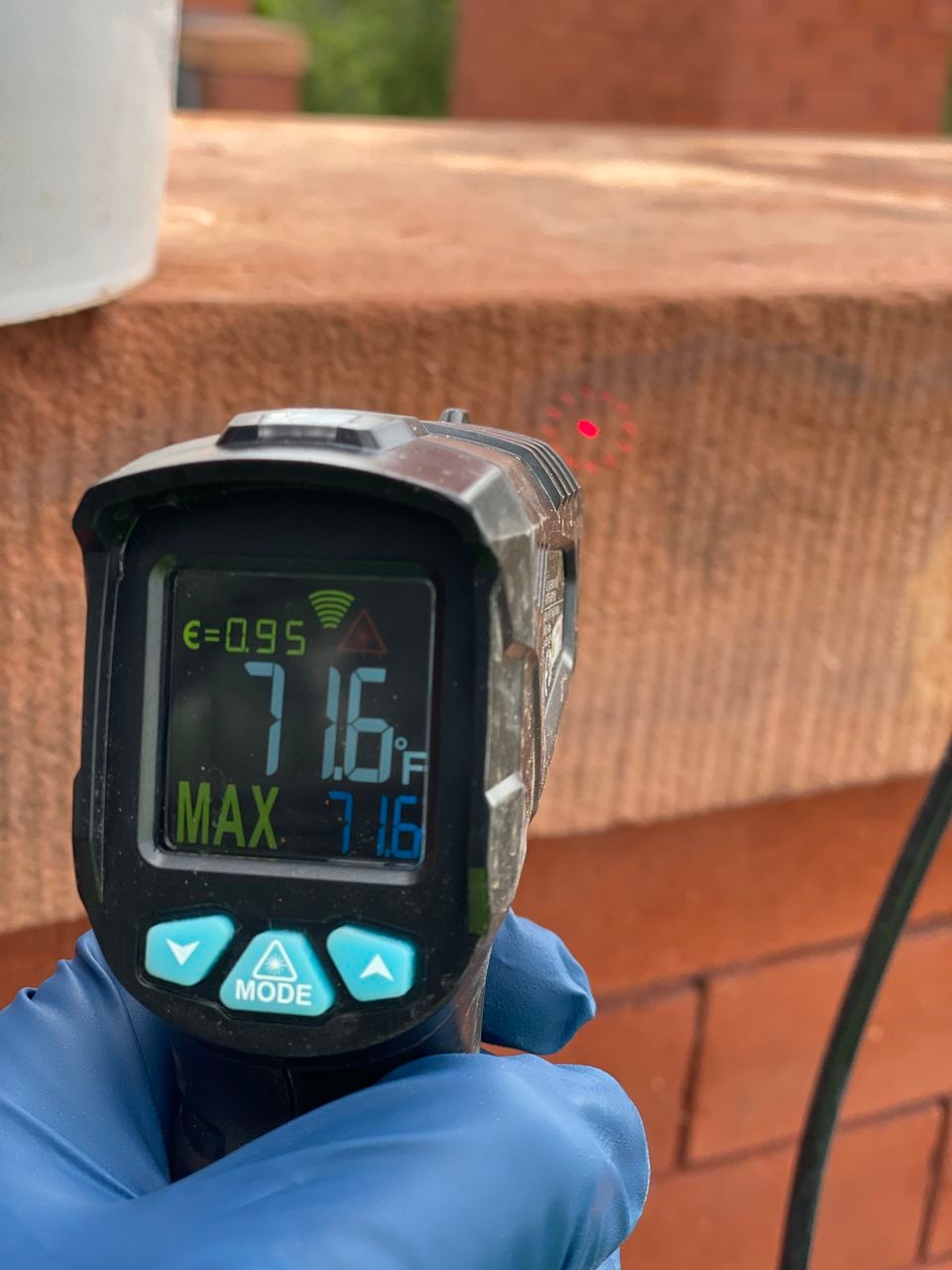
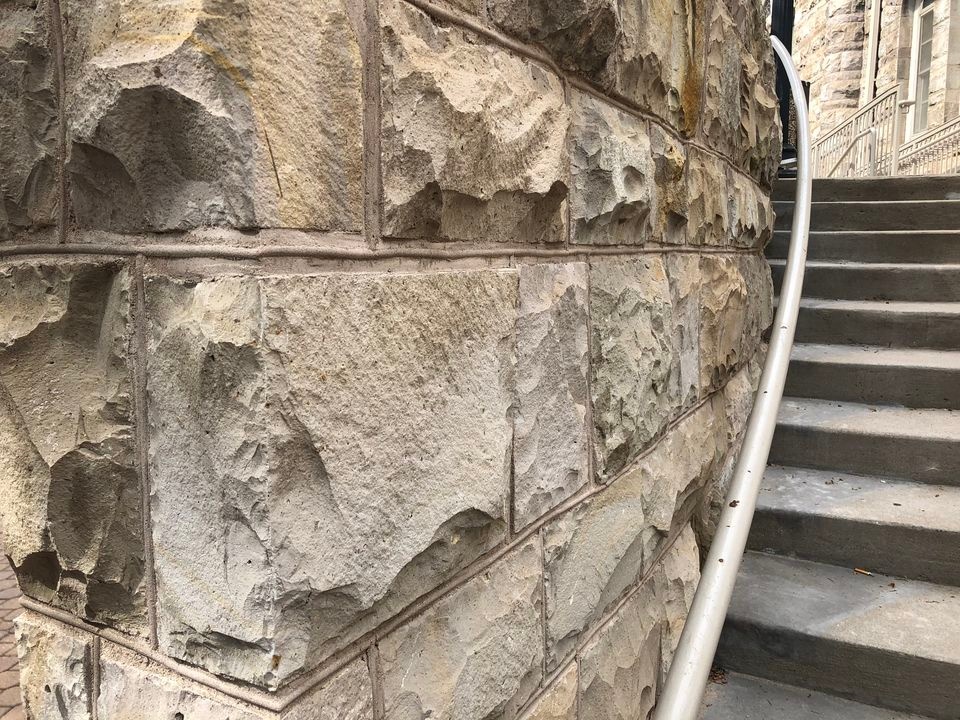
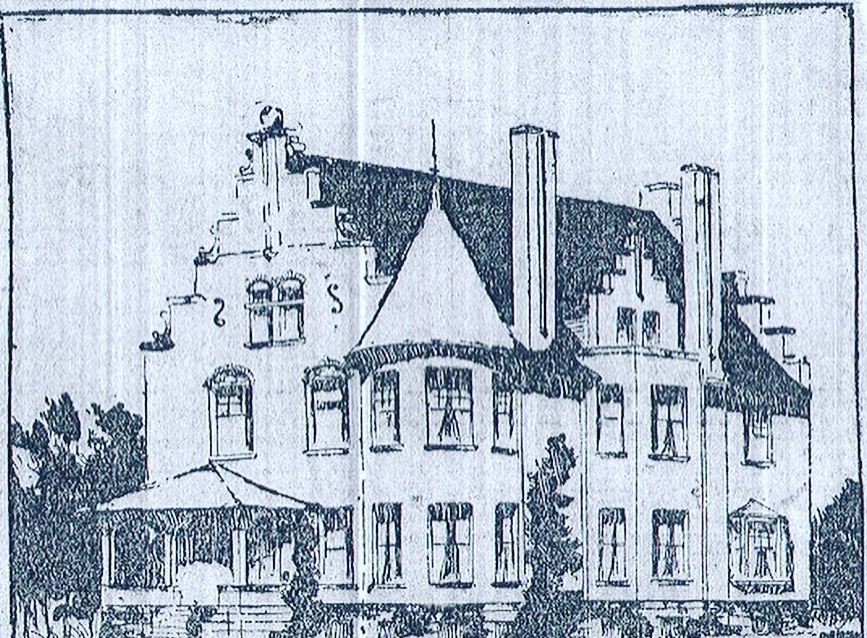
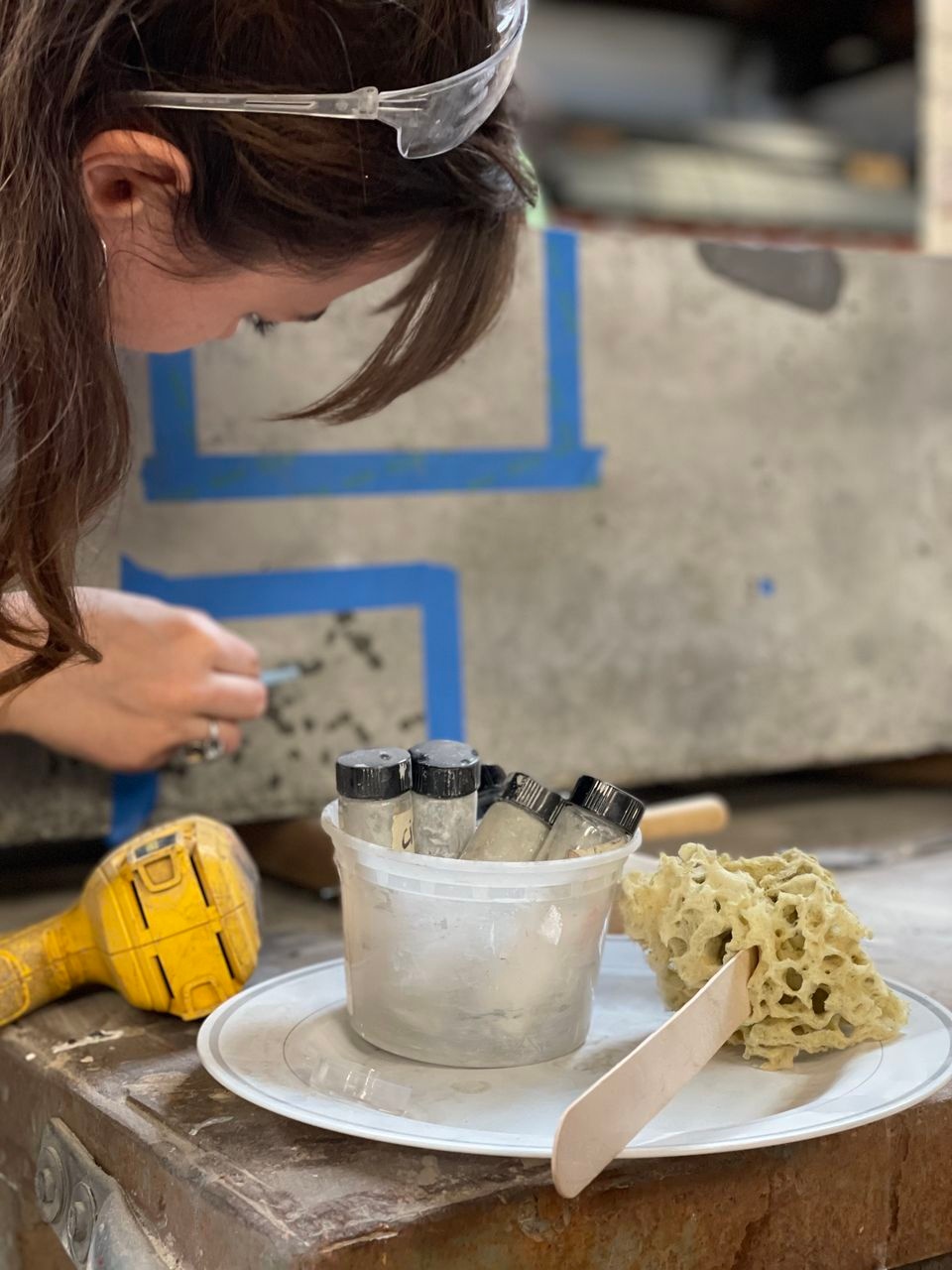
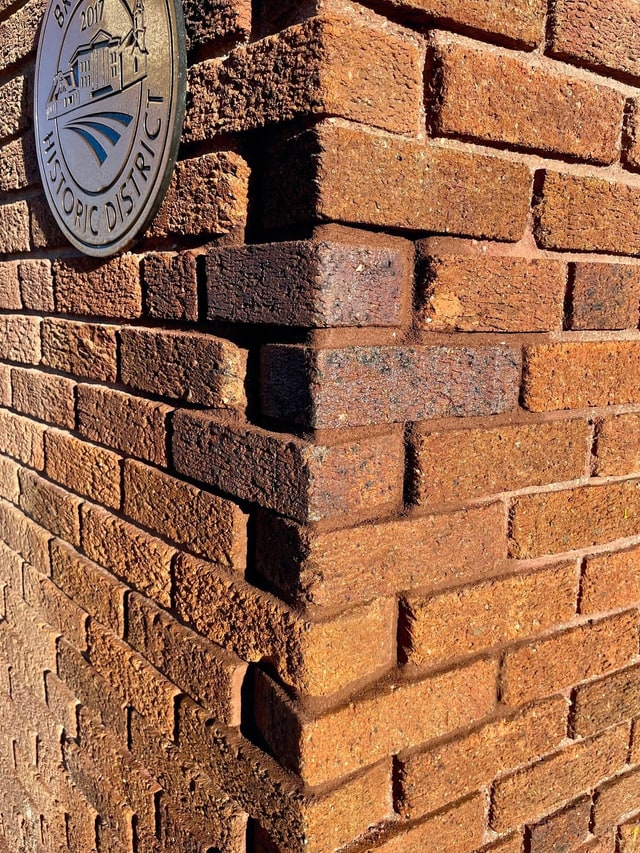
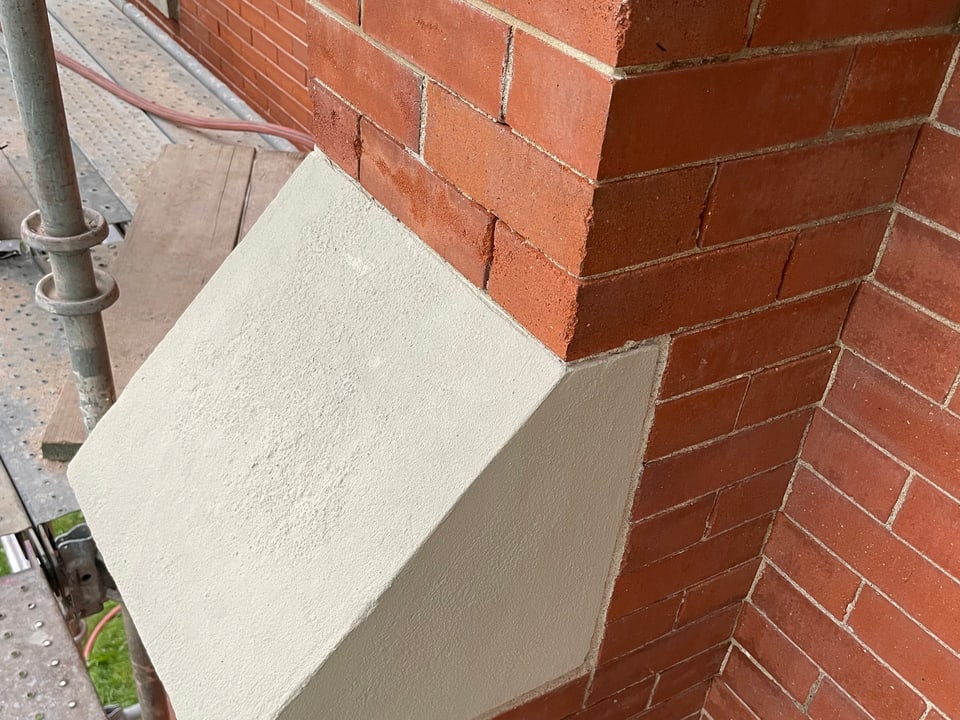
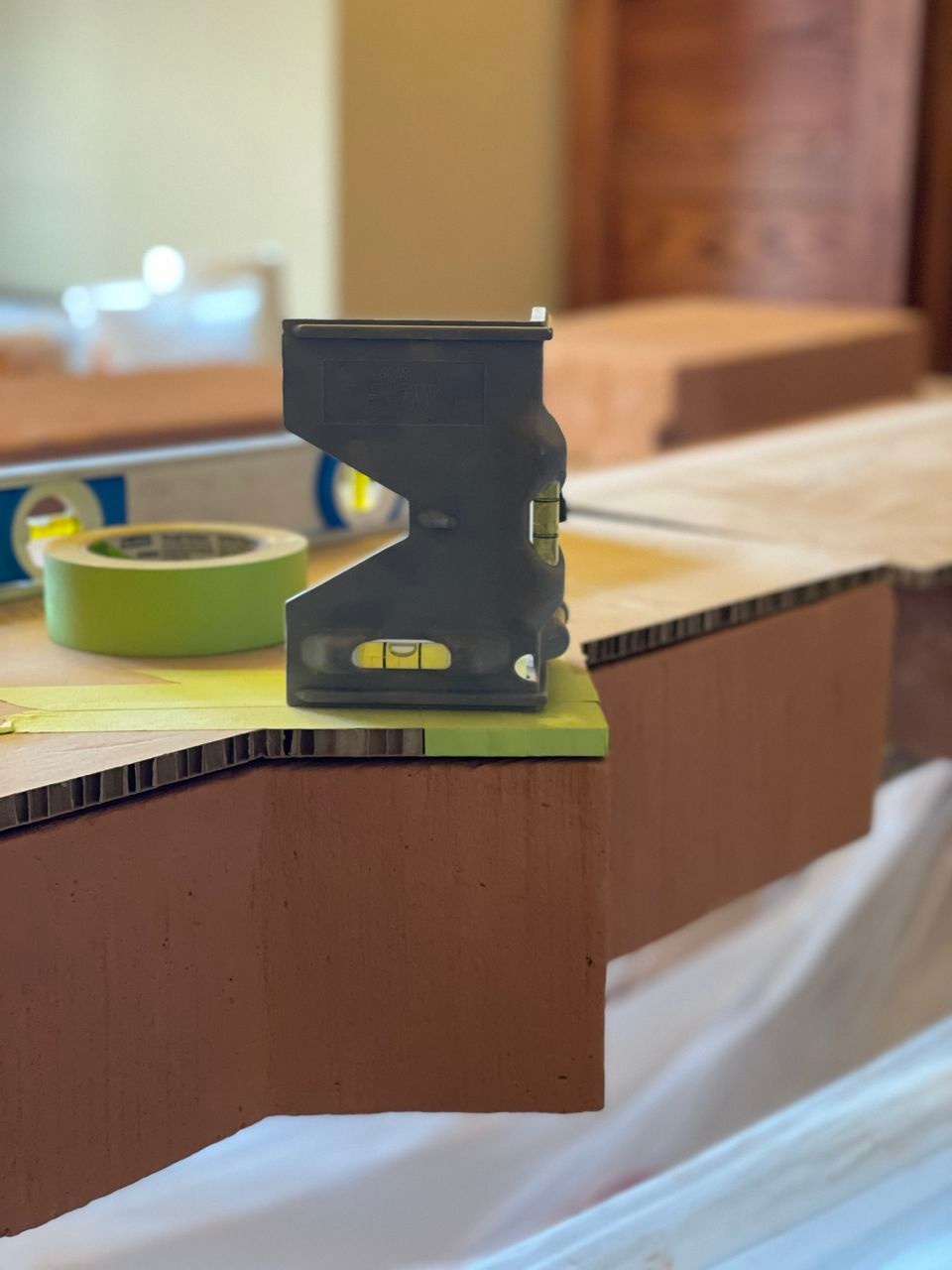


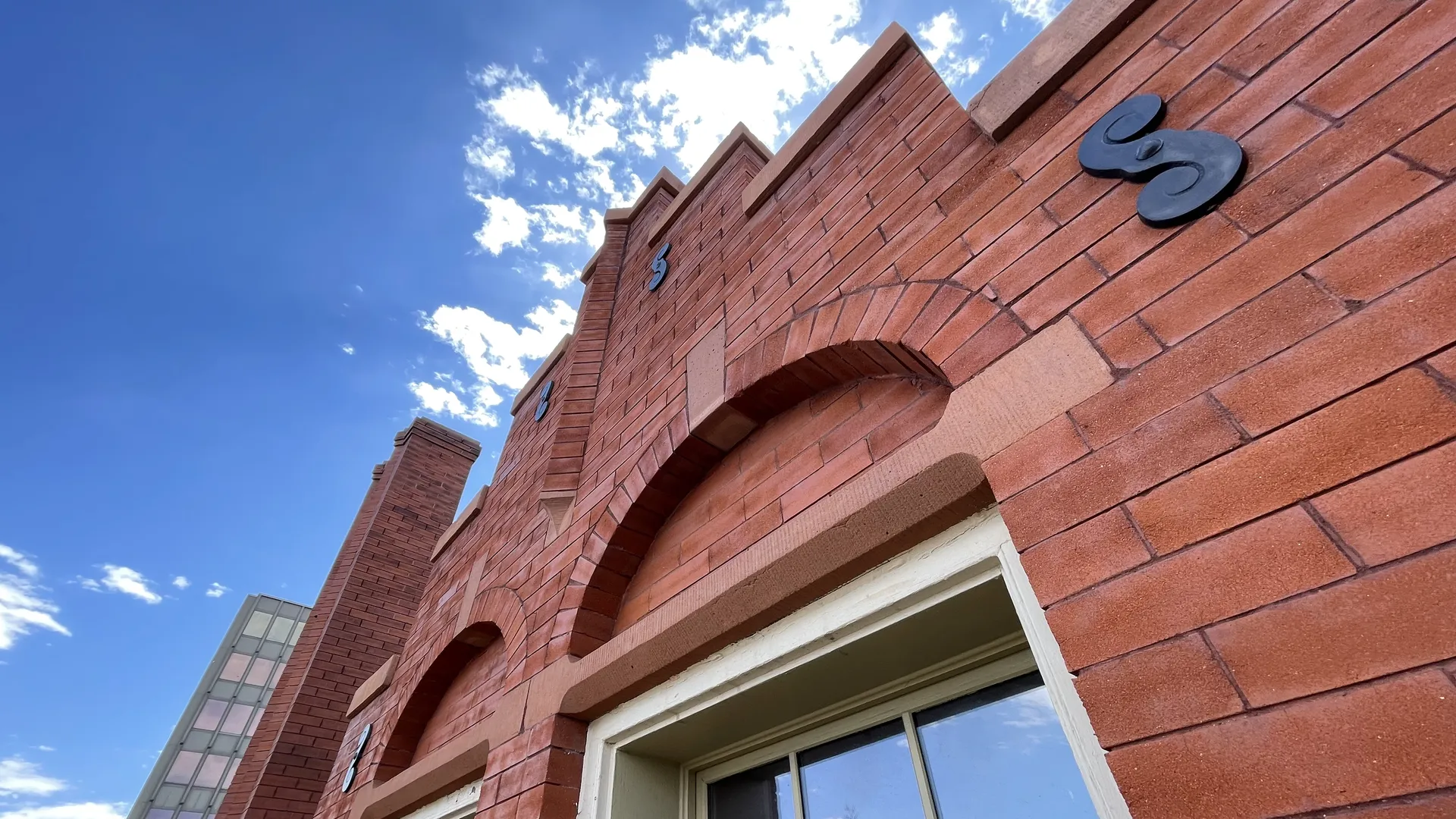
Brick Repair Denver restores brick, stone and terra cotta on historic homes, churches and landmark buildings across the Denver metro and Front Range. Our work follows preservation methods. At the Church of the Advent, a Denver Landmark, BRD guided the congregation through the entire Colorado State Historical Fund process with History Colorado. We prepared the technical assessment, scope and deliverables that secured the grant, then carried out the restoration ourselves. That work included exterior brick and stone cleaning on all elevations, historic mortar analysis and matching, tuckpointing, and cast stone repair and restoration to preserve the 1913 church. We rebuilt the stepped parapets and restored 42 Manitou sandstone copings on the Cass Mansion, also a Denver Landmark, and our crews have worked on the Arizona red sandstone masonry facade of the Brown Palace Hotel. All masonry restoration is led by owner Jesse Smith, architectural conservator, with Bruce Yantis, Lead Craftsman and Brick Restoration Specialist in Denver. Call (720) 445-9474.
Tuckpointing and repointing is the replacement of deteriorated mortar joints on Colorado's older brick and stone buildings with a mortar compatible with the original: historic lime mortars, lime putty or a natural hydraulic lime (NHL). Mortar with zero Portland cement is the standard our company uses for older brick and stone homes and buildings in Denver. A mortar analysis in our lab of the original, when needed, gives us the exact binder, the aggregate gradation and the pigment, so the new repoint mortar matches the old mortars in color, texture and performance. Cracked or spalled brick is replaced in kind with salvaged or reclaimed brick. When no match survives, our masons replicate the brick, stone or terra cotta through our historic masonry replication program.
Request a ConsultationSome masonry repairs in Denver run deeper than the brick face. We carry out structural remedial masonry repairs, install retrofit anchoring systems, take down and reconstruct large failed areas, and rebuild brick walls and brick and stone foundations. We also repair and rebuild brick chimneys, from chimney cement crowns, caps and flashing to full brick chimney rebuilds, and we rebuild fireplace fireboxes and brick hearths. Below grade, we carry out structural reconstruction of brick and stone foundations under the bungalows and Denver Squares built across the city a century ago.
Request a ConsultationOur brick restoration and stone restoration return a building to its original appearance and function. We restore sandstone and limestone details, repair historic brick and stone facades on churches, schools and buildings, and we perform brick cleaning and paint removal, testing every brick cleaning and paint removal method on a trial area before it reaches the rest of the building. On designated historic properties, we dismantle and salvage, then rebuild or restore to the original design and location, and we document the original fabric and the boundary of every historic masonry restoration.
Request a ConsultationView our historic restoration record
- History ColoradoState Historical Fund Contractor List
- Historic DenverPreferred Contractor
- Cathedral StoneCertified Installer
- Jahn MortarsCertified Installer
- US HeritageCertified
- Licensed and Fully Insured


Start Your Project Request
What kind of property is it?
Choose your property type to get started. Answer a few questions about the building, tell us what you've noticed, and add photos. This helps us understand your project and determine whether BRD is the right fit for the work.
Prefer to talk it through? Call (720) 445-9474
- Tell us what you're seeing on the brick or stone
- Send photographs of the brick or stone and areas of concern
- We review and qualify the inquiry, then recommend the appropriate next step
What we repair
Our Services
Brick Repair and Restoration
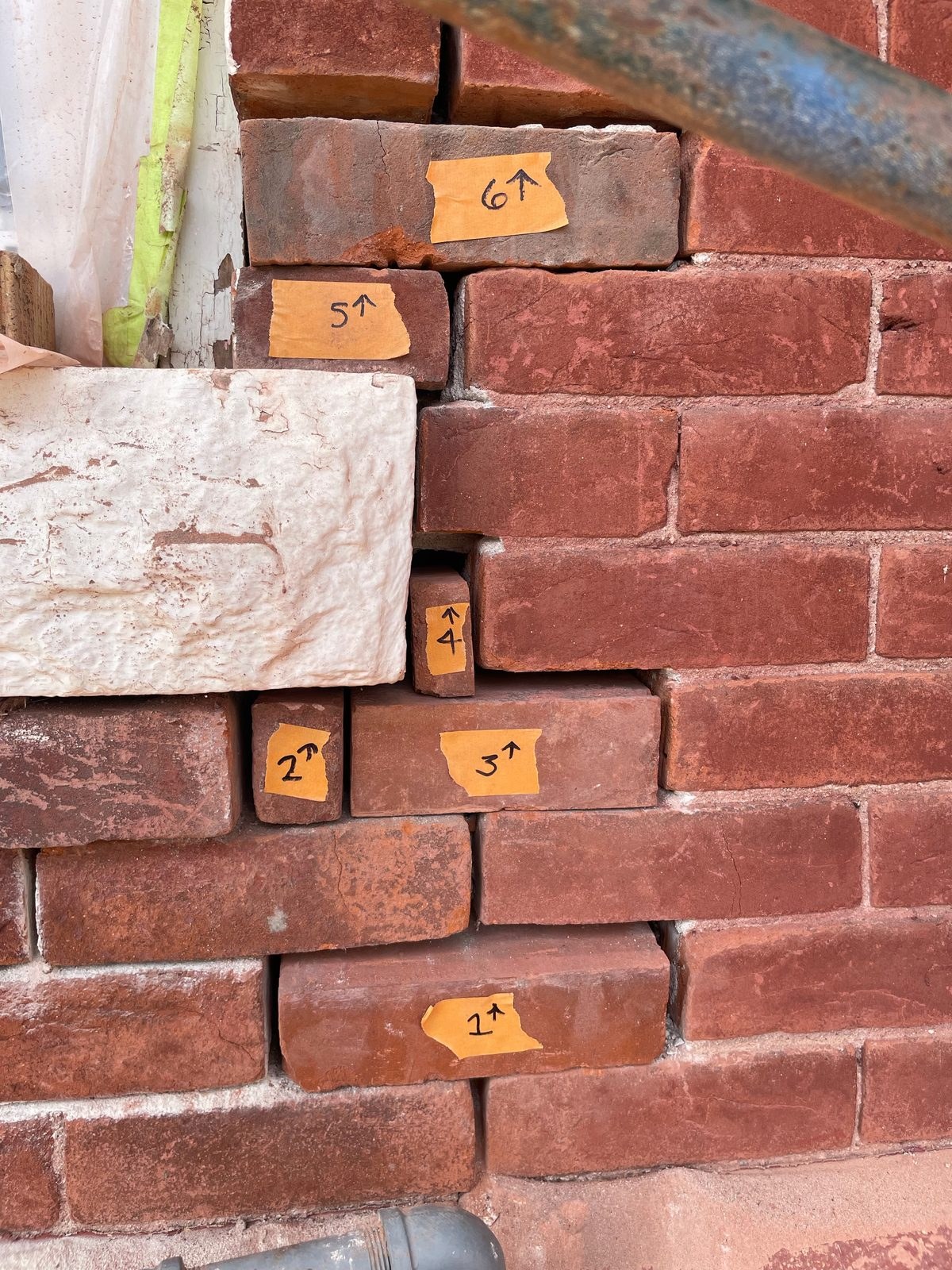
We find the cause first, then match brick size, color and texture so the repair blends with the wall.
Learn more about Brick Repair and Restoration →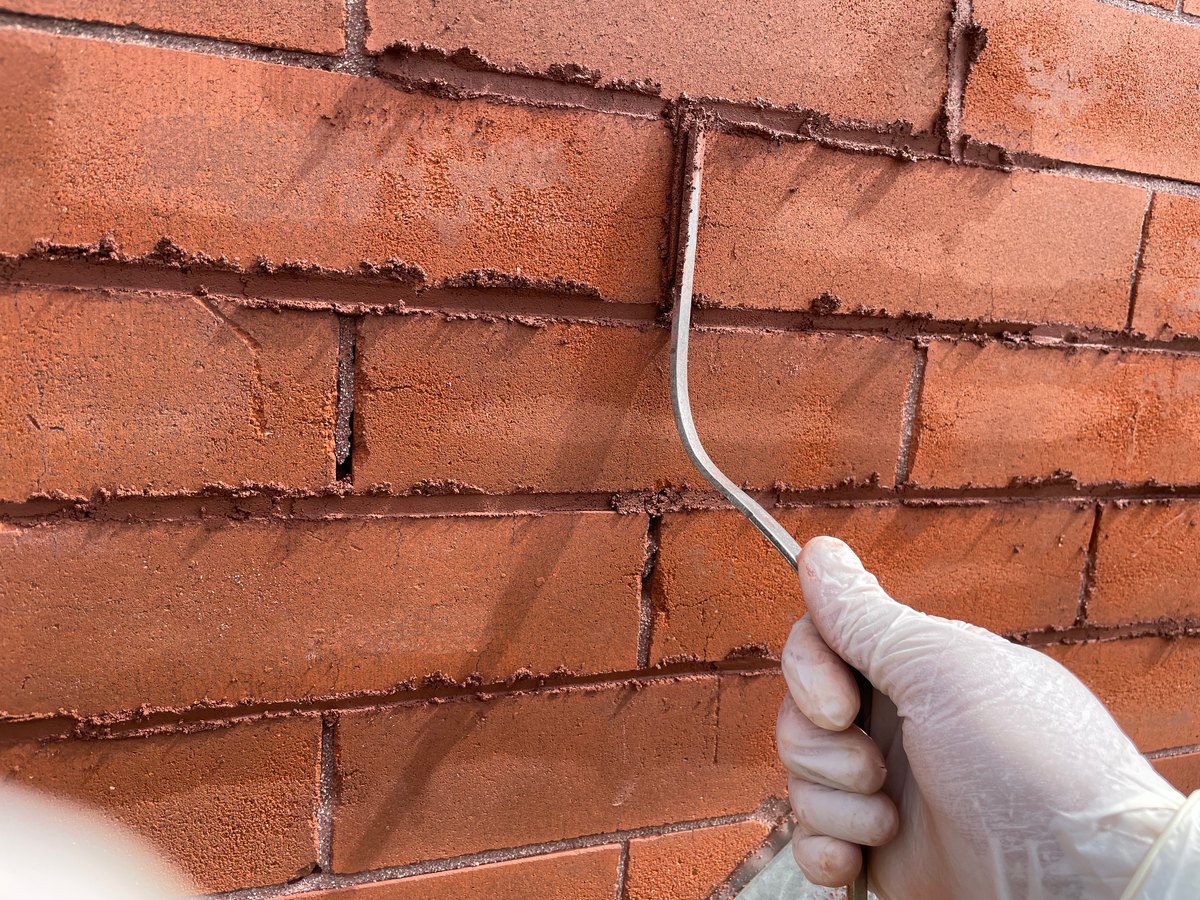
Tuckpointing and Repointing
Deteriorated mortar joints replaced before the damage reaches the brick, with mortar suited to the wall.
Learn more about Tuckpointing and Repointing →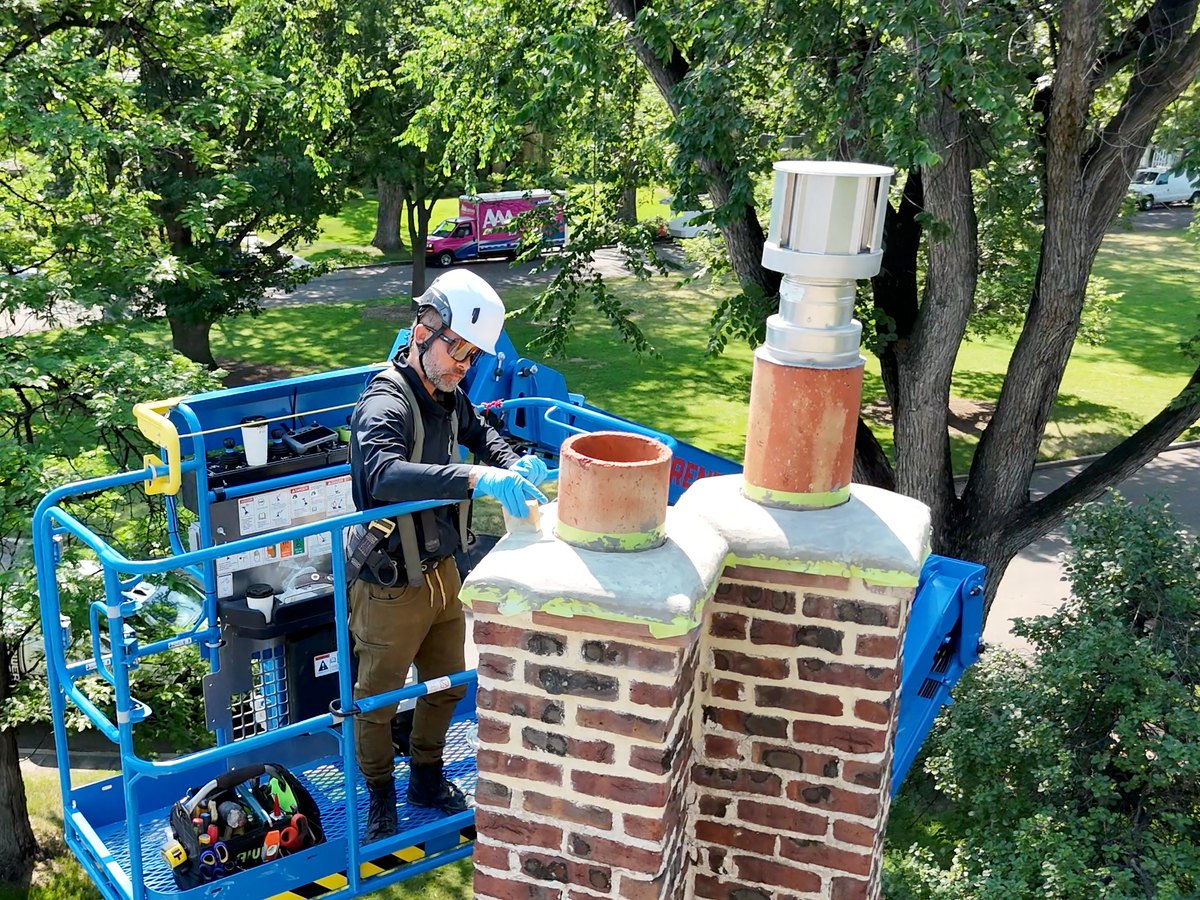
Chimney and Fireplace Repair
Crowns, caps and top courses repaired so water stops running into the brick from the top down.
Learn more about Chimney and Fireplace Repair →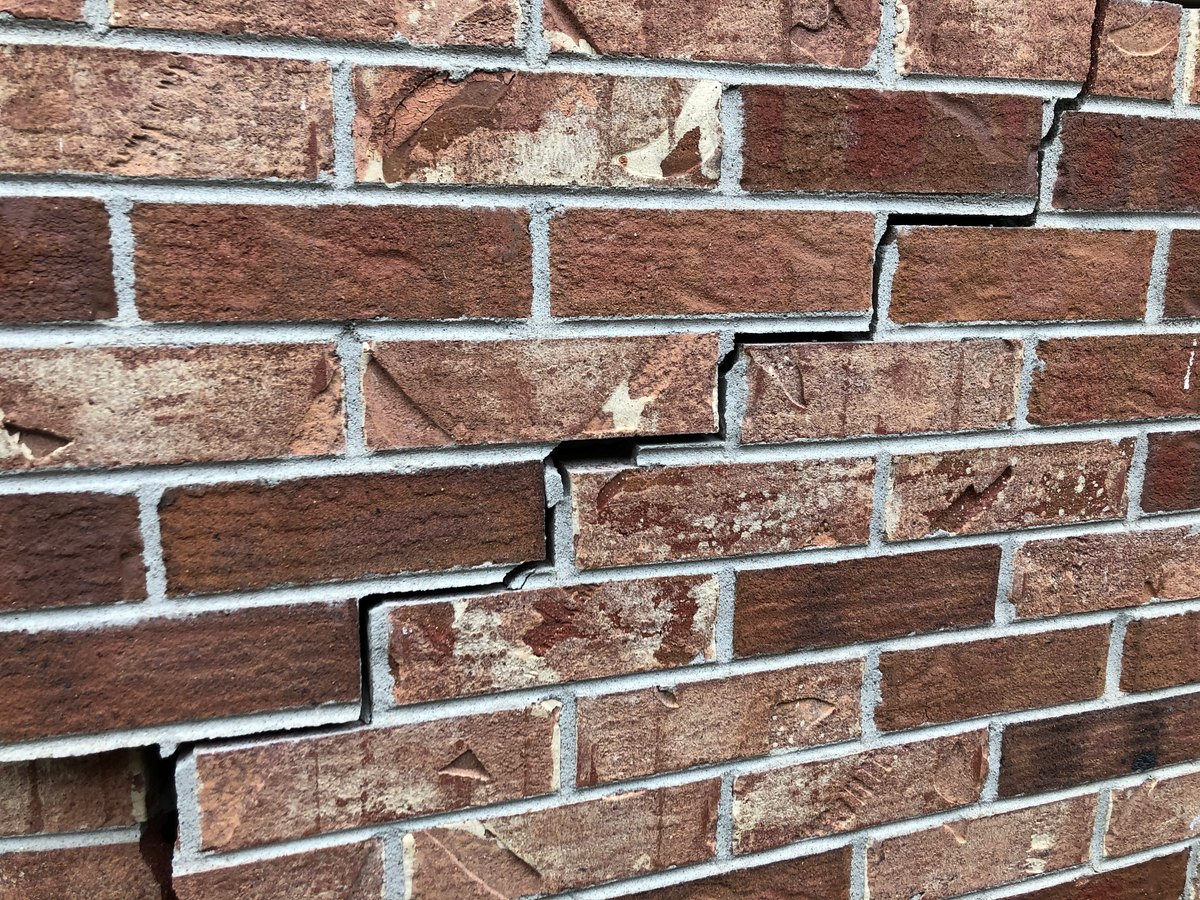
Brick Veneer Repair
Missing weep holes, flashing and rusted brick ties found and repaired on newer brick homes.
Learn more about Brick Veneer Repair →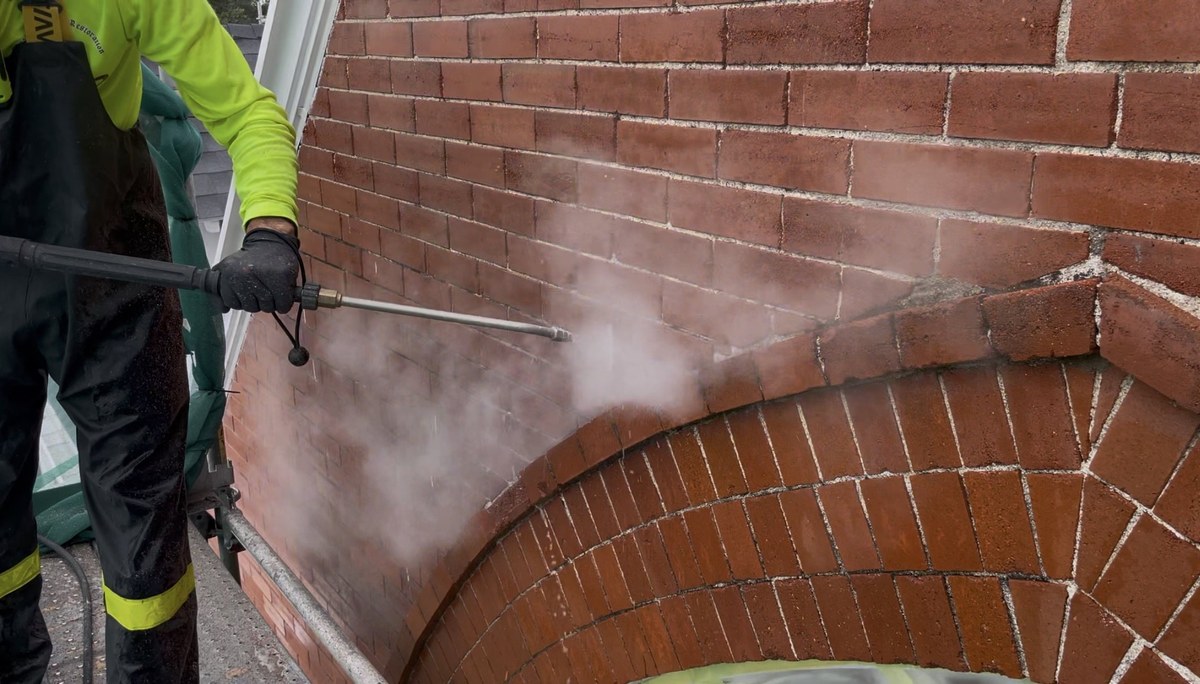
Brick Cleaning
Brick cleaning methods are tested on a trial area first to protect the fired face of the brick.
Learn more about Brick Cleaning →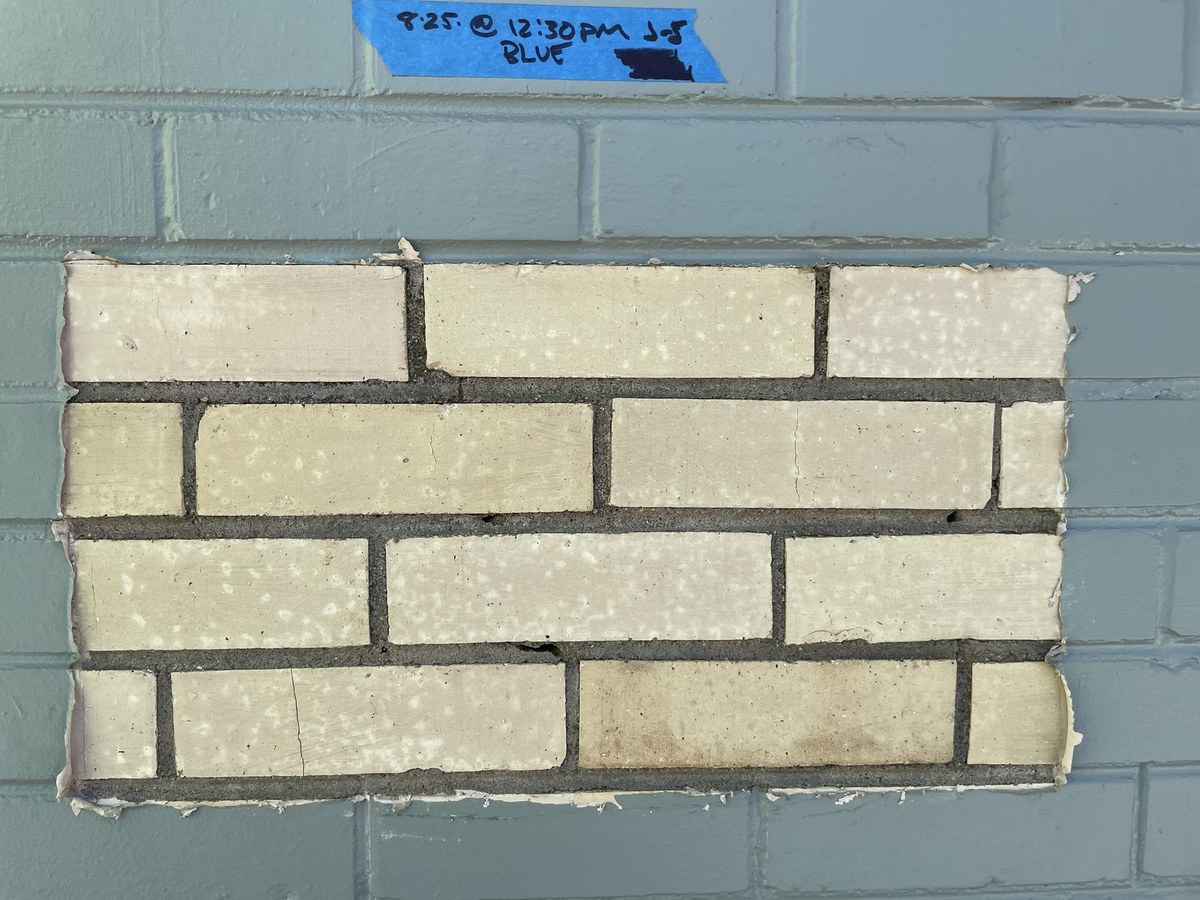
Brick Paint Removal
Paint removal starts with test panels, followed by paint removal and specialized conservation cleaning.
Learn more about Brick Paint Removal →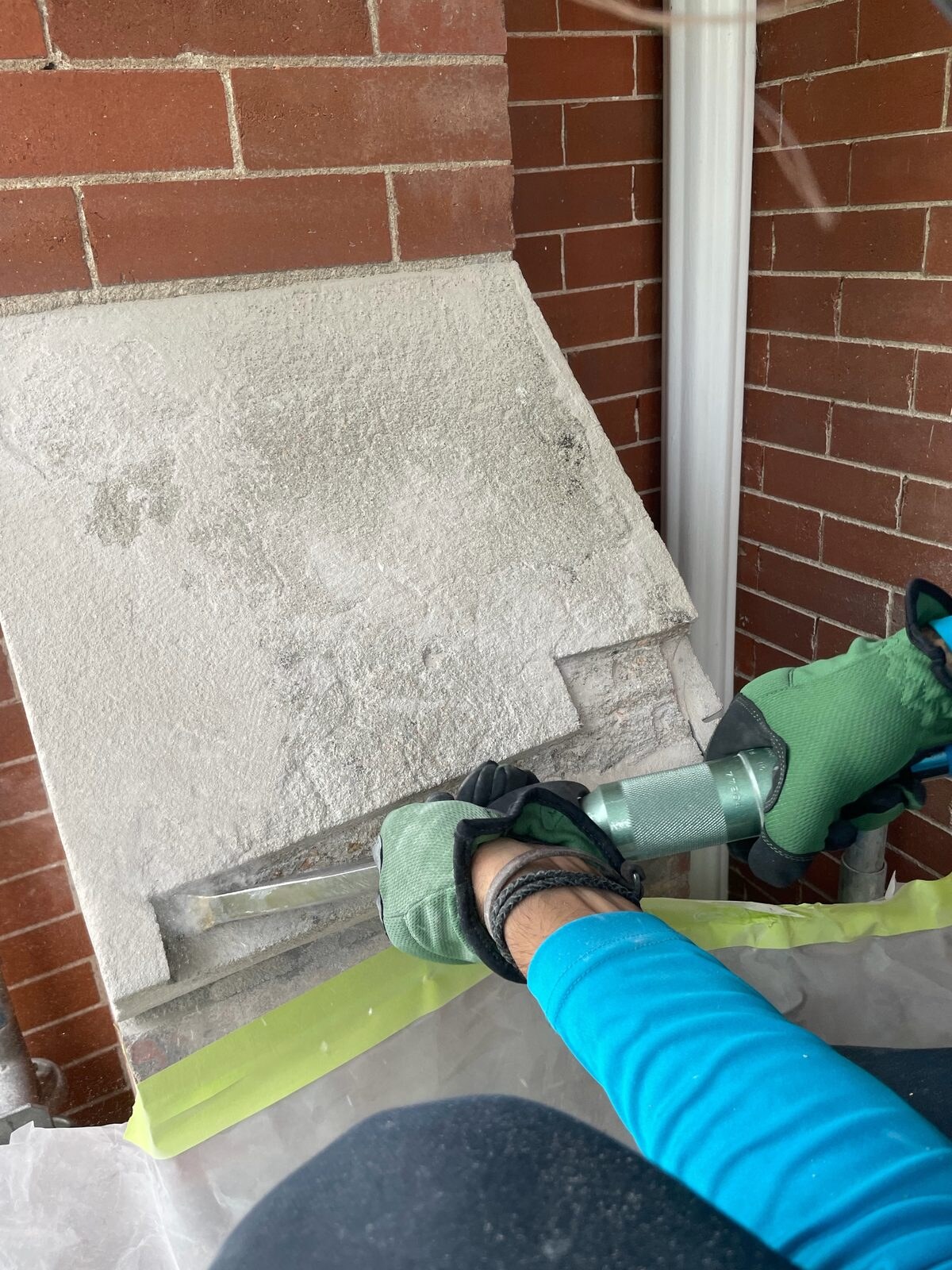
Stone Masonry Repair and Restoration
Sandstone and limestone sills, lintels, steps and trim repaired so the original stone stays in service.
Learn more about Stone Masonry Repair and Restoration →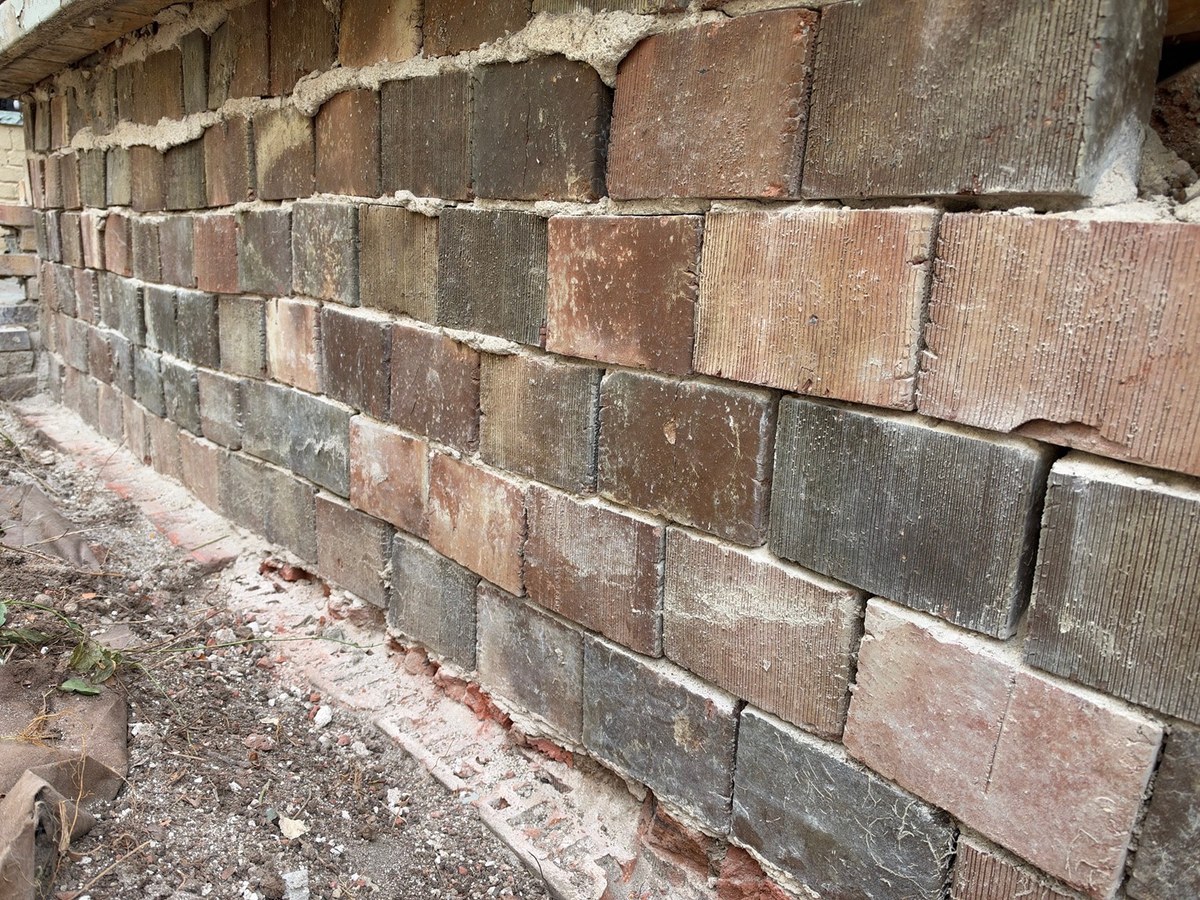
Structural Wall and Foundation Repair
Brick and stone foundations assessed from below grade up through the wall assembly, then rebuilt to perform the way they were designed.
Learn more about Structural Wall and Foundation Repair →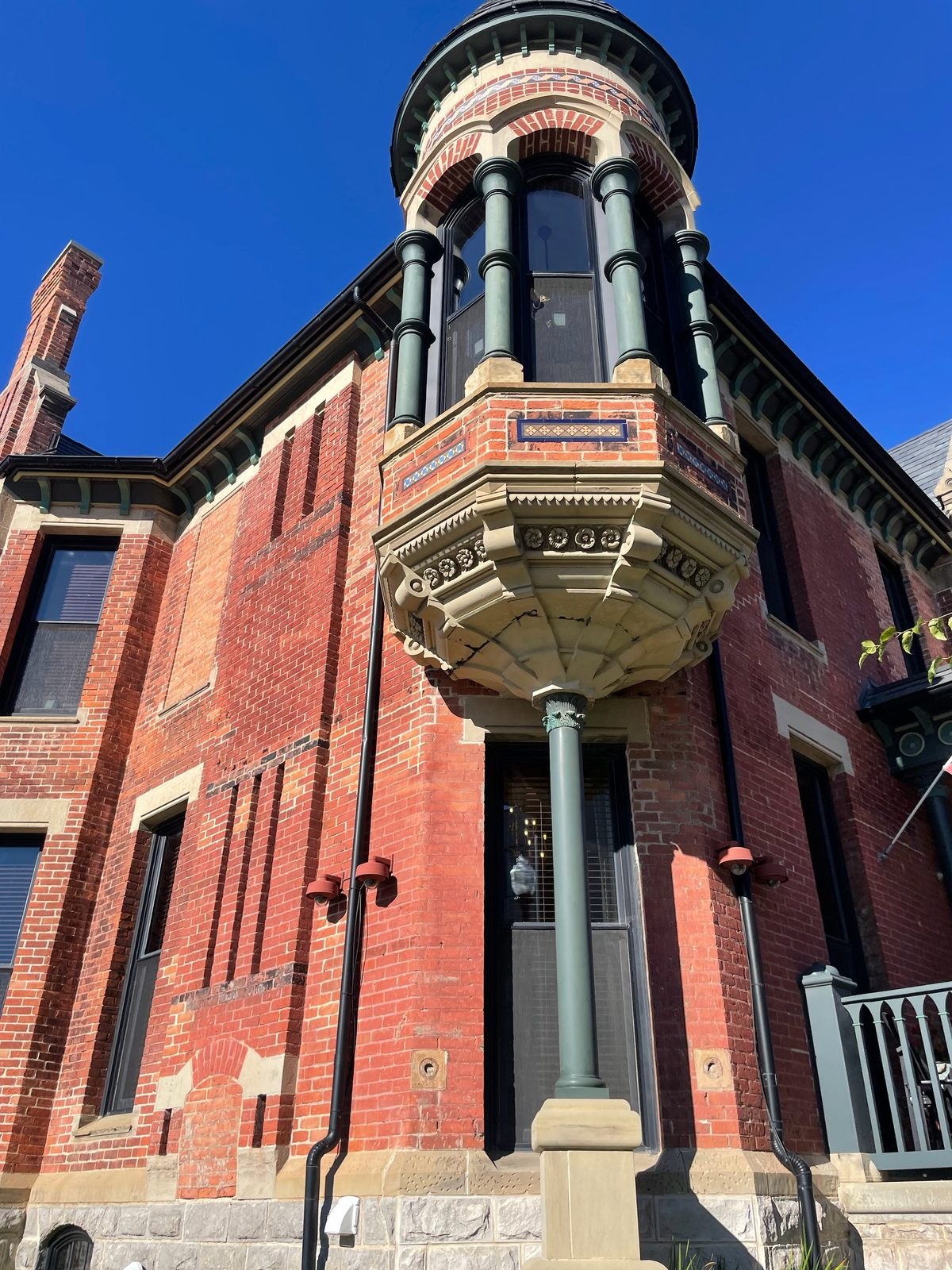
Historic Masonry Restoration
Preservation methods: repair before replacement, gentlest means possible.
Learn more about Historic Masonry Restoration →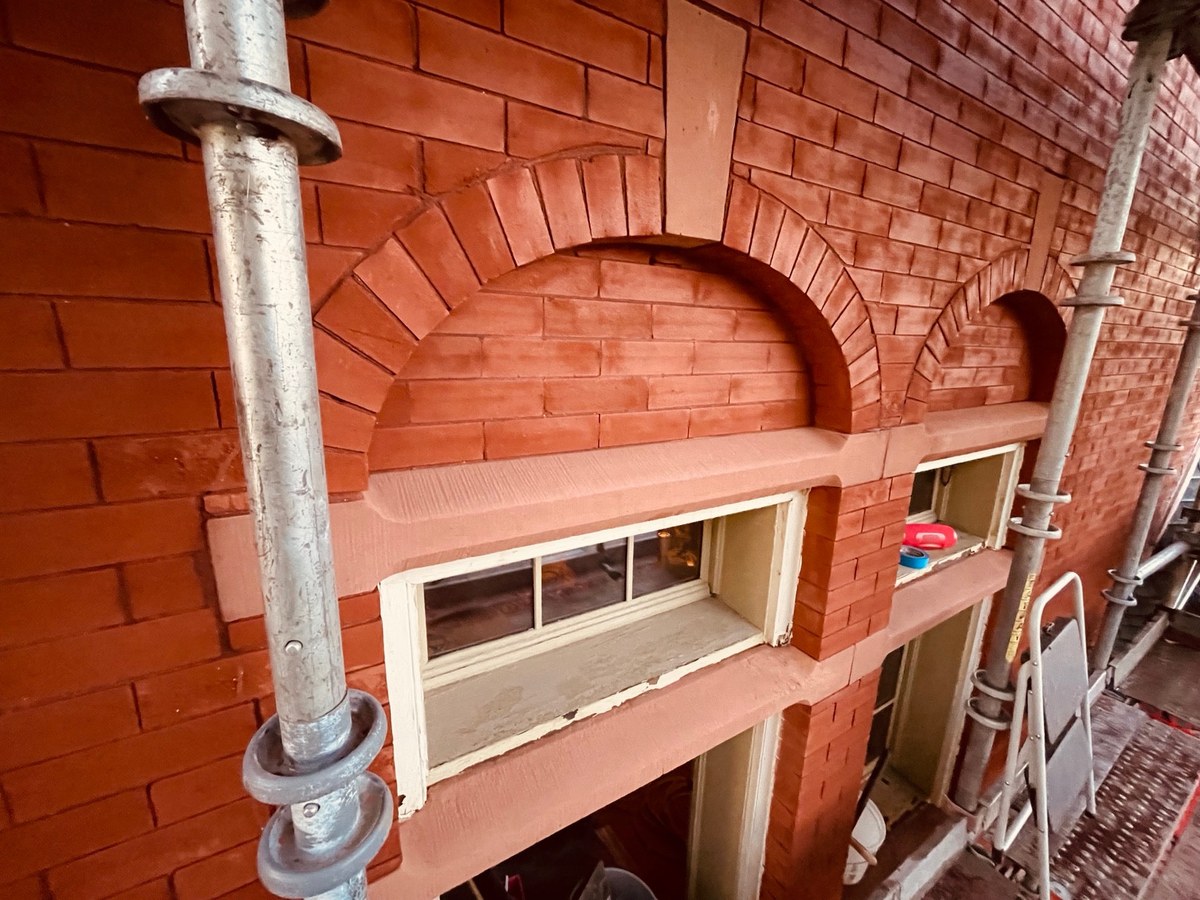
Residential and Commercial Masonry
From a bungalow's stone front steps to the brick facade of a church or an apartment block.
Learn more about Residential and Commercial Masonry →


Selected projects
Featured Denver Masonry Restoration Projects
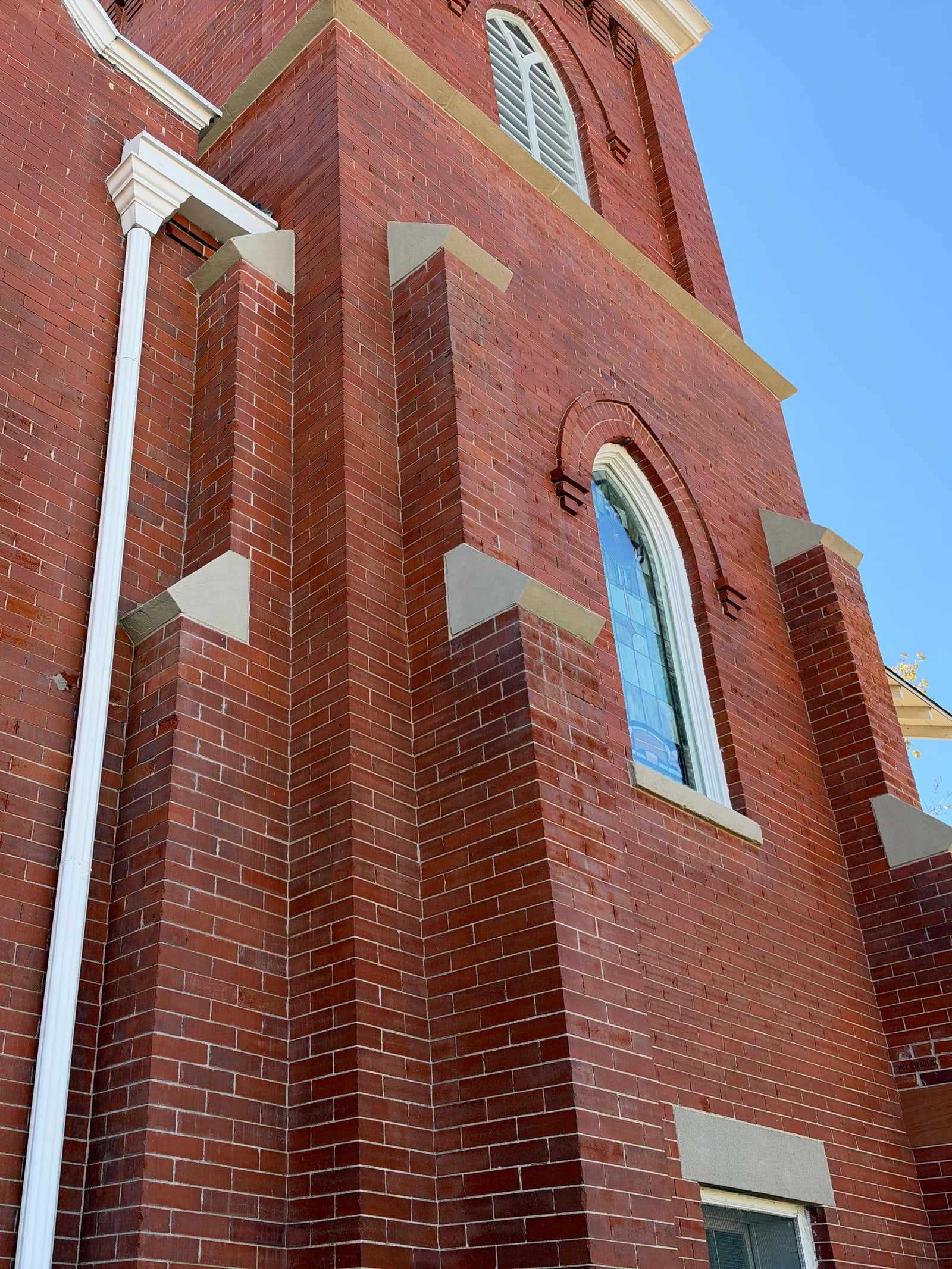
Church of the Advent
Brick cleaning and restoration on a Denver Landmark, a Colorado State Historical Fund project.
View project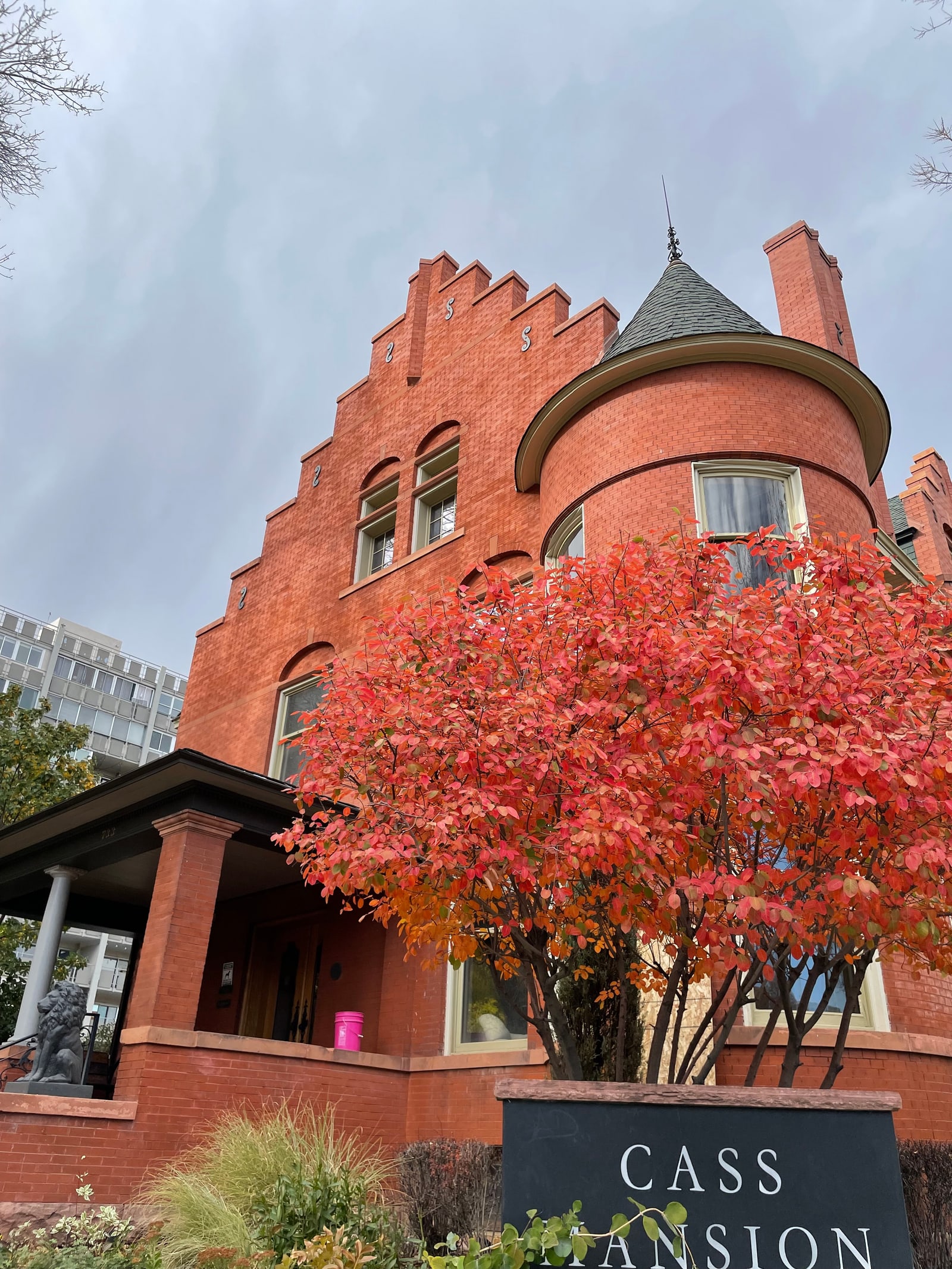
Cass Mansion
Manitou sandstone restoration, historic repointing, rebuilt stepped parapets and 42 sandstone copings repaired, at this Denver Landmark in Capitol Hill.
View project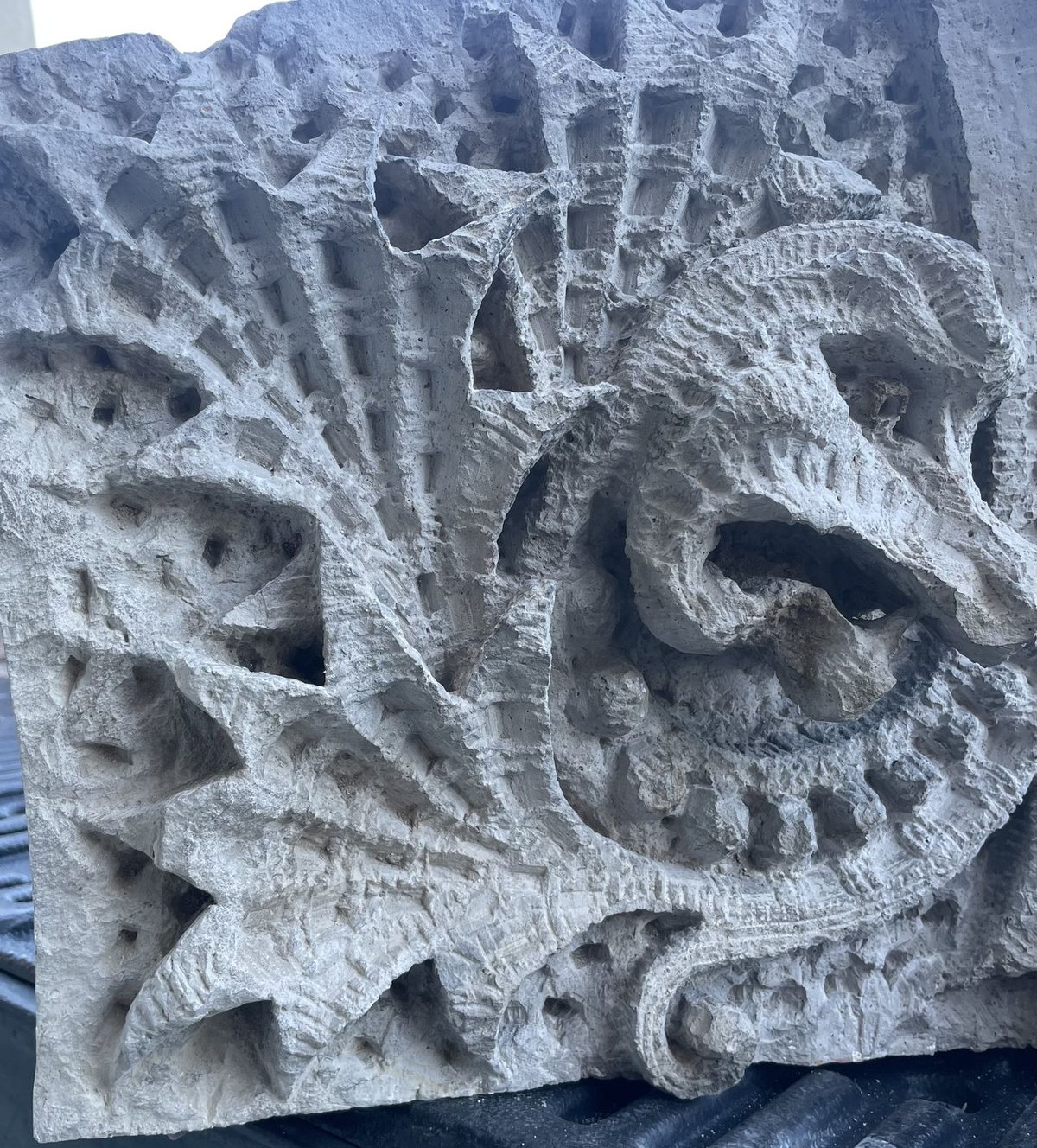
Highlands Residential Brick and Stone Restoration
Brick and carved stone restoration on an 1892 Highlands home: a slipped arch reset, every original stone back in its original position.
View project

Denver Brick Masons and Restoration Specialists Since 1942
Same Family Craft. Same Truck. Still on the Wall.
Brick Repair Denver is a family masonry craft passed down through generations. Owner Jesse Smith, architectural conservator, and Bruce Yantis, Lead Craftsman and Brick Restoration Specialist, still lead the work, and repair comes before replacement.
About Brick Repair Denver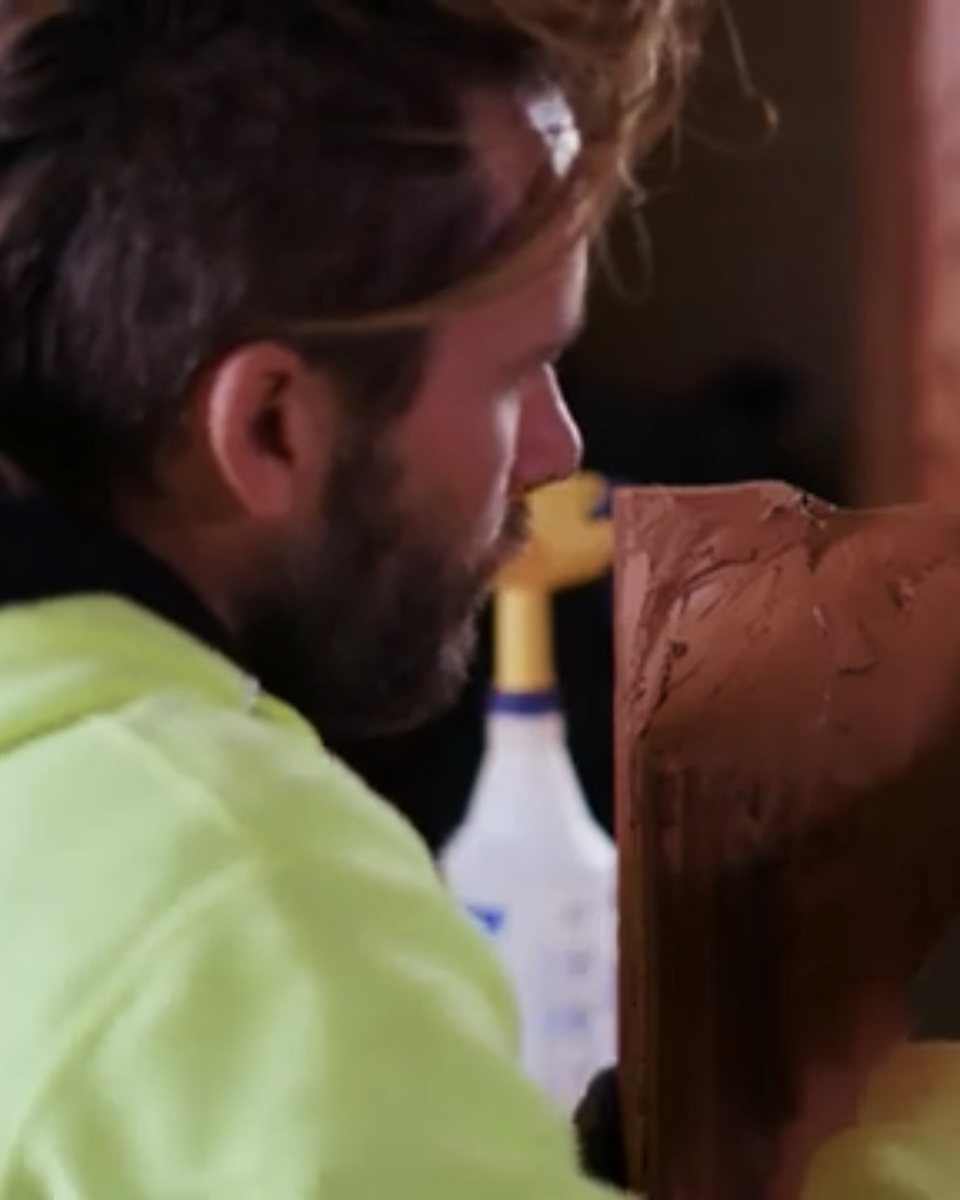
Jesse Smith working a stone repair at the bench 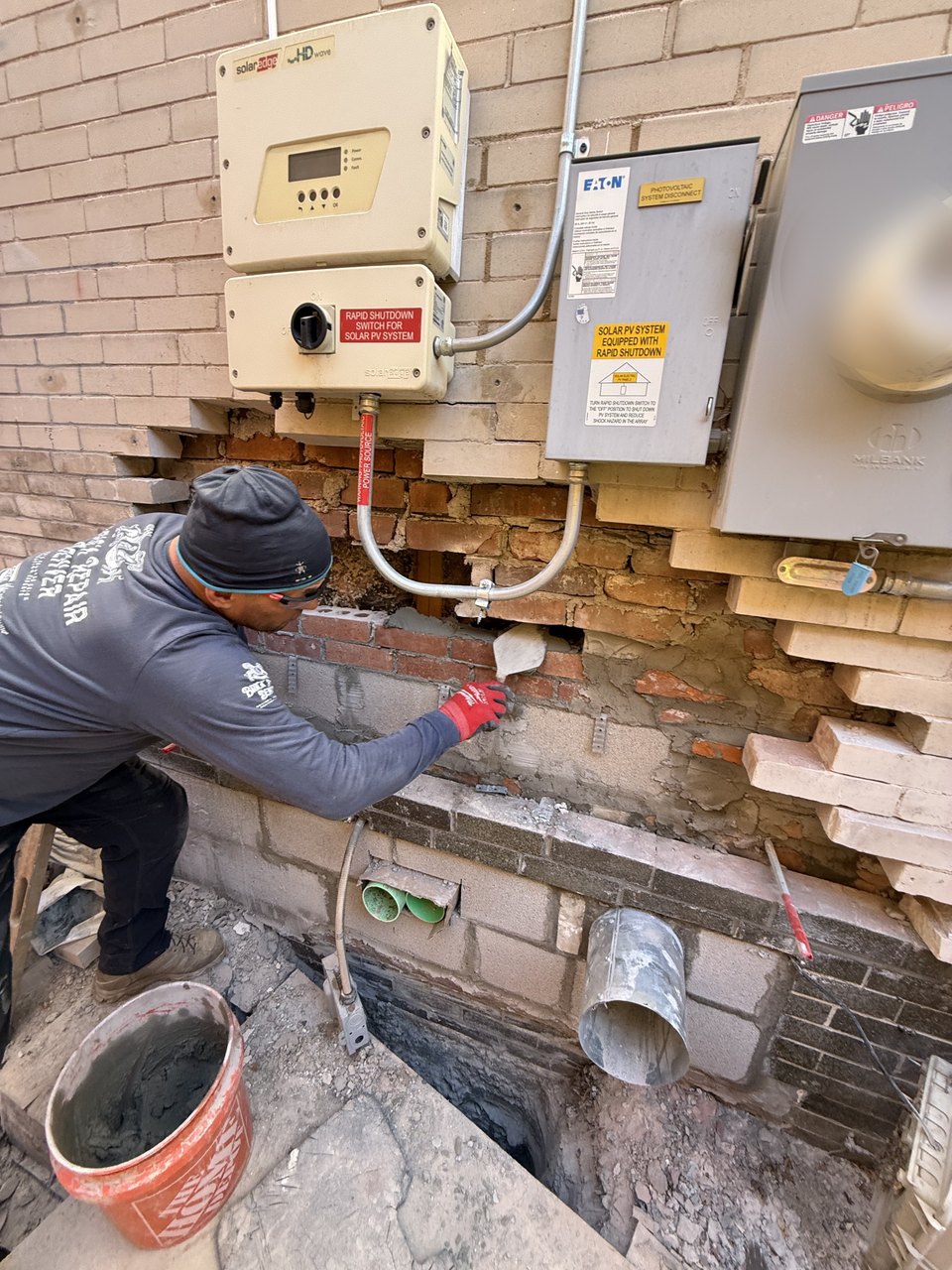
Bruce Yantis rebuilding the exterior brick wythe on a late-1800s home 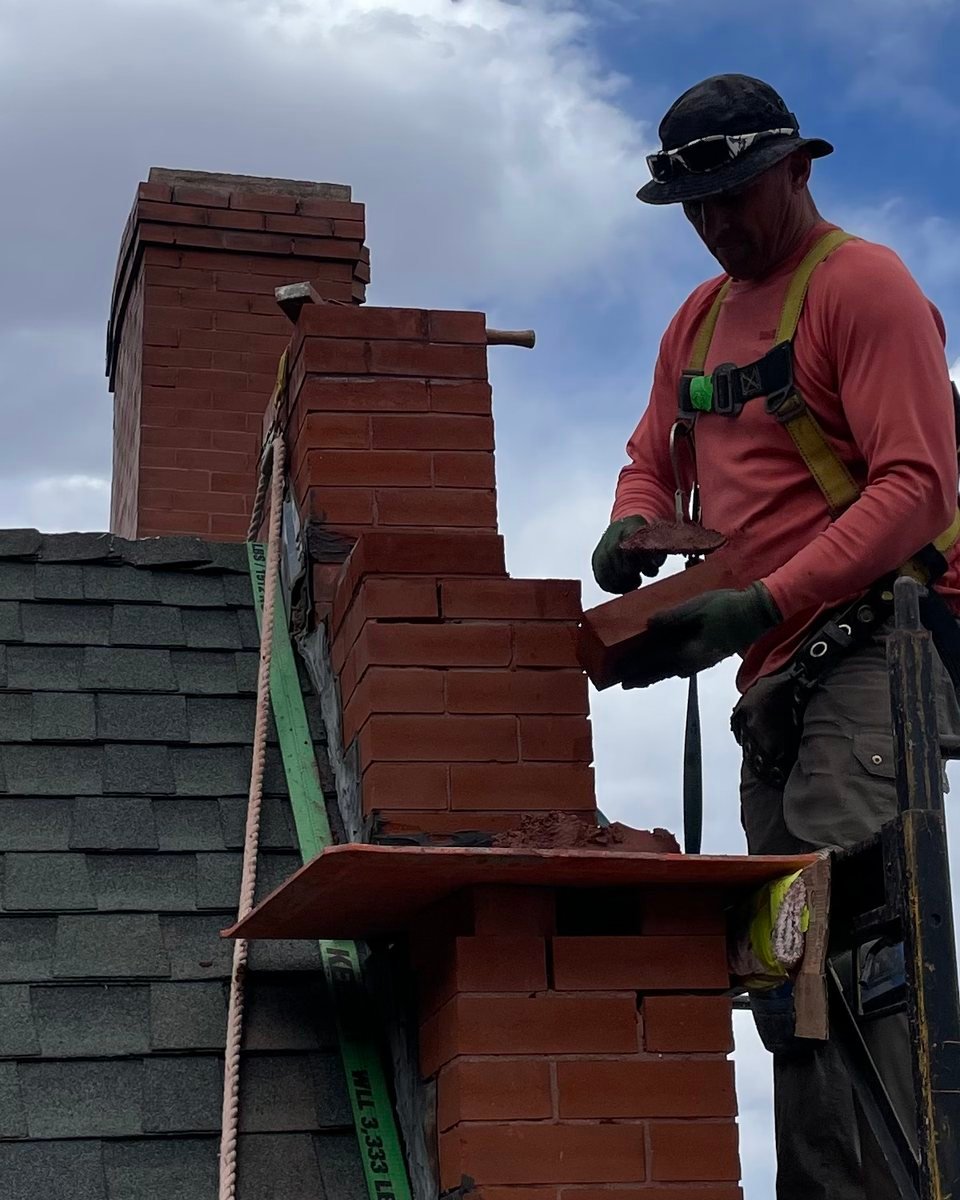
Bruce Yantis rebuilding a parapet wall at the Cass Mansion 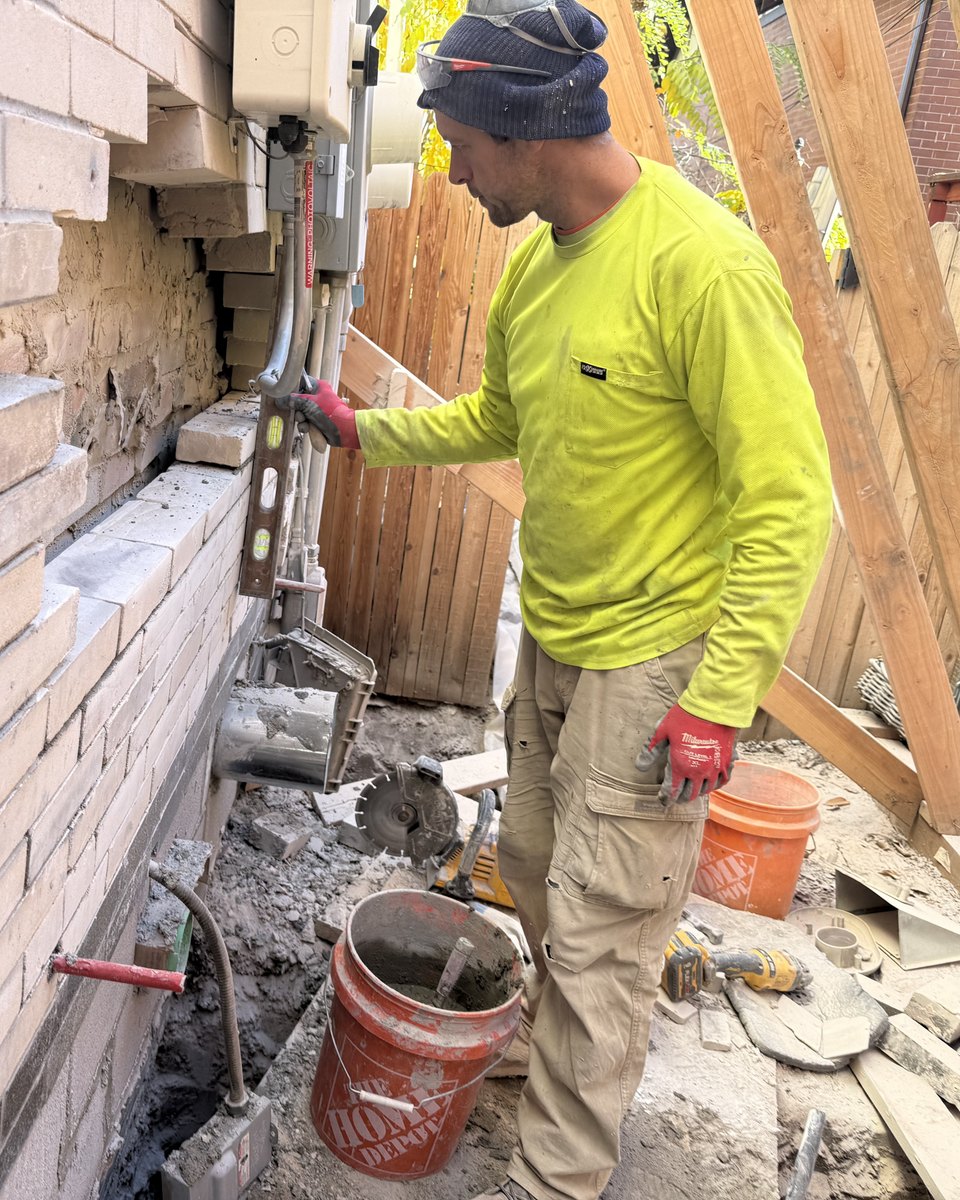
Andy rebuilding the exterior brick wythe on a late-1800s home


Brick and masonry repair
Brick Repair and Masonry Repair Services in Denver
Every brick repair we make starts with a diagnosis, not a bucket of Home Depot mortar or tube of caulk. A crack in a brick facade, a sinking or cracked stone porch wall or column, and a heavy stain under a window sill each point to a different cause. We assess the masonry conditions first, keep every sound brick and stone we can and repair only what has failed, from tuckpointing deteriorated mortar joints to rebuilding a brick structural wall or old masonry foundation.
Repair the Damage Without Making the Brick or Repair Stand Out
A cracked brick wall needs more than a patch that hides the crack. At BRD, we examine the damaged brickwork and surrounding mortar joints before recommending a repair. Where brick replacement is necessary, we match the existing size, color and texture and select mortar compatible with the surrounding masonry. Our aim is a sound masonry repair that blends with the original wall, not a conspicuous patch that draws attention to itself. The new mortar is gray or bright white where the old is buff. The mortar joints are wider, smeared or tooled flat where the originals were struck or beaded. The replacement brick is a shade too red and a quarter inch too tall, or it is a modern style of brick. Once you see it, you cannot stop seeing it.
Request a ConsultationGood brick repair takes three things: mortar matched to the original by binder, aggregate and pigment; replacement brick matched by the built era, size, color, texture and the fired skin on its face; and joints are actually repointed (not smeared), then tooled to the original joint profile. We do all three, on brick and stone homes and big brick buildings across Denver.
Request a ConsultationThe method matters as much as the material. New tuckpoint or repointing mortar has to give way before the brick around it does, so moisture and movement leave through the mortar joints and not through the brick. That is the standard we hold every brick repair and stone repair to.
Request a ConsultationBrick Replacement Matched to the Period, Size, Color and Texture
A cracked, spalled or missing brick leaves a hole in the brick face and lets water behind the masonry. Replacing it sounds simple. Finding a brick that belongs there is not. Older Colorado brick was fired in local kilns, in sizes and colors that modern plants no longer make, and a new brick from a supply yard stands out on the first day and every day after. Good brick replacement and spalling brick repair depend on finding the right masonry unit, not the nearest one.
Request a ConsultationWe start with salvaged and reclaimed brick, sorted by dimension, color range and surface texture. Reclaimed brick has already lived through decades of weather, so it carries the same patina and the same fired face as the brick around it. Where the brick facade holds several brick colors, we blend the brick replacements across the repair area the way the original brick masons laid them.
Request a ConsultationWhen no reclaimed brick will match, we replicate the original brick in-house. Either way, the new brick unit must be compatible with the old: no harder, no denser and no less permeable than the brick it sits beside. A replacement brick that is too hard pushes stress into its softer neighbors. In kind replacement keeps the brick masonry working as one material, one masonry system.
Request a ConsultationCracked Brick Wall Repair That Starts With the Cause
A crack is a symptom. Hairline cracks through mortar joints, step cracking that climbs the brickwork in a staircase pattern, a vertical crack under a window, a section of bulging brick: each tells a different story about what moved and why. Fill the crack without finding its cause, and the crack comes back.
Request a ConsultationOur brick crack repair method begins with an assessment of the masonry conditions around the crack. We look at the pattern, the width and whether the crack runs through the brick or around it. We check the foundation below, the lintel above, the gutters, the grade at the foundation wall and the downspouts. On the Denver Front Range, expansive clay soils that swell when wet and shrink when dry drive differential settlement, and step cracking is the first visible sign.
Request a ConsultationOnce the cause is understood, the masonry repair follows the brick. Cracked brick units come out and go back in kind. Displaced sections of brick are taken down and re-set in compatible lime mortar. Where the brick wall has lost its bond, we rebuild it with the same coursing and joint profile as the original brickwork, so the repair looks like part of the original masonry.
Request a ConsultationDenver Square, Brick Bungalow and Victorian Porch Walls, Column Repair and Masonry Restoration
Brick and stone porch columns hold up the porch roof you walk under every day. They also take more weather than almost any other part of a house, besides the brick chimney. Water collects at the cap, runs down the mortar joints and freezes inside the column, and over time the masonry opens up, leans or begins to shed loose brick.
Request a ConsultationWe start by finding where water gets in: a failed cap, an open bed or head joint, a missing flashing or a column base sitting in wet soil. Then we decide what the column needs. Deteriorated mortar joints get raked out and repointed in lime mortar. A leaning or hollow column gets taken down to sound masonry and rebuilt brick by brick, using the original brick wherever it is sound and reclaimed brick to match where it is not.
Request a ConsultationOn many older brick porches in Denver, the porch columns and the steps and stoops beside them define the front of the house. We rebuild them to the original dimensions, bond pattern and brick detail so the porch looks the way it did when the house was new, and so it carries its load safely for decades.
Request a Consultation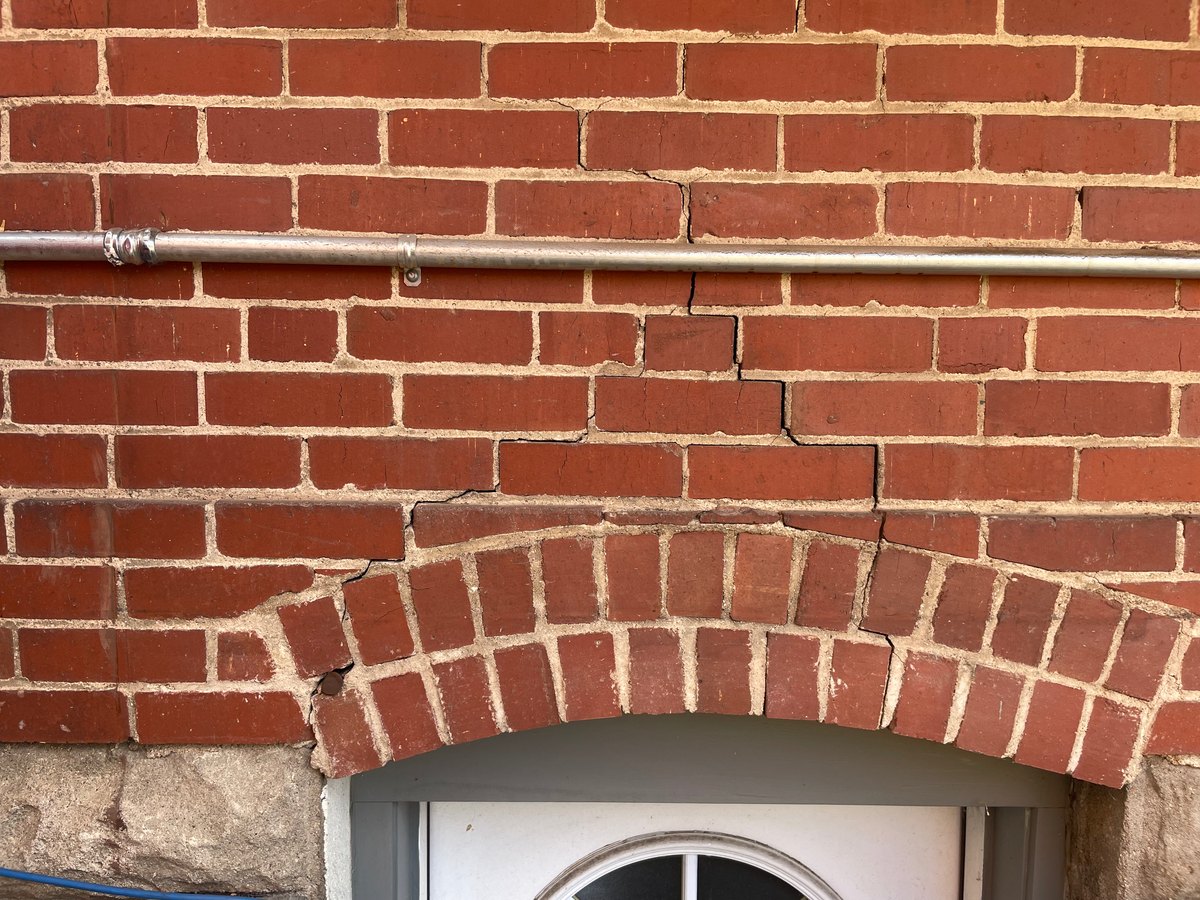
Cracks stepping up from a brick arch over a door.
Mortar joint repair
Tuckpointing and Repointing for Denver's Older Brick Homes and Buildings
Replacing deteriorated mortar joints before the damage reaches the brick is the most valuable maintenance an older brick building in Denver can receive. Mortar is the sacrificial part of a masonry wall. It is meant to wear first, so the brick does not have to. When it wears out, the right repair renews that protection; the wrong one transfers the damage to the brick.
The Wrong Tuckpointing Mortar Can Destroy the Brick You're Trying to Save
Historic and older brick in Denver was laid in a lime mortar with very little to no portland cement. Lime mortar is softer than the brick and more vapor permeable, so moisture and movement escape through the mortar. That is the design. The mortar joint gives, the brick survives, and every few generations the mortar joints are renewed by repointing.
Request a ConsultationPortland cement mortar reverses that design. It is harder and denser than old brick, with a higher compressive strength and far lower vapor permeability. Water that once left through the mortar joints now leaves through the brick. Salts crystallize behind the brick face, a condition called subflorescence, and Colorado's freeze thaw cycling does the rest. The brick's fired skin pops off, and the brick face begins to spall.
Request a ConsultationThat is why we repoint historic brick only with a mortar that is compatible to the existing, such as a lime putty or natural hydraulic lime mortar, with zero Portland cement. The National Park Service's repointing guidance puts the rule plainly: new mortar should be softer and more permeable than the brick, and no harder or less permeable than the historic mortar. We follow that rule on every brick wall we repoint.
Request a ConsultationWhen Deteriorated Mortar Joints Need Professional Repointing
Deteriorated mortar joints announce themselves. Mortar erosion leaves mortar joints recessed behind the exterior brick face. Mortar turns sandy and crumbles under a fingernail or a key. Cracks open along bed joints and head joints. Gaps open around window frames and at the building corners. On the interior plaster, plaster stains, efflorescence or peeling paint signal water working through the brick wall.
Request a ConsultationRepointing is the right repair when the mortar has eroded to roughly a quarter inch or more behind the brick face, when it is loose or powdery, or when water is getting in. Spot or selective repointing serves a brick wall with localized mortar erosion. Total or complete repointing makes sense when the deterioration is widespread across the brick facade or wall.
Request a ConsultationBefore repointing, we find the source of the water and show you where it enters the brick masonry. A leaking gutter, a deteriorated or failed parapet wall, rising damp at the base or a painted surface will destroy new lime mortar as surely as it destroyed the old. Colorado's sun, wind and sudden temperature swings load the north elevations hardest, so we check them first.
Request a ConsultationTuckpointing Versus Repointing: Understanding the Difference
Most people say tuckpointing or tuckpoint when they mean repointing or repoint, and the masonry trade uses both words. The difference matters when you are reviewing a proposal.
Request a ConsultationRepointing is the correct repair here in Denver: raking out deteriorated mortar to sound material and filling each mortar joint with a new compatible mortar. Tuckpointing, in its original sense, is a decorative finish. Brick masons filled the mortar joints flush with mortar colored to match the brick color, then laid a fine, raised line of lime putty along each joint to make rough brick look like precise, expensive pressed brick. Penciling, a painted line over the mortar joint, is a third treatment some owners find on their buildings but it was very rarely done here in Denver or Colorado.
Request a ConsultationOn a historic building in Denver, we identify which treatment the original brick masons used and restore that treatment. Most older brick buildings in Denver have struck, flush, raked, beaded or grapevine mortar joints. Others carry bead, butter, ribbon and specialty joints, and a few have true tuckpointed joints that deserve to be restored as tuckpointing, raised ribbon and all. Our brick masons here at BRD tool each profile by hand, so historic mortar joint repointing matches the joints the original brick masons made.
Request a ConsultationWhat Quikrete, Caulk Tubes and Hard Gray Patches Do to Old Brick
Bagged mortar mixes from Home Depot, masonry cement and caulk are made for modern construction and quick fixes. On old brick they cause the damage they are meant to prevent. A hard gray patch of masonry cement, like concrete, holds moisture against softer brick. A bead of caulk seals the mortar joint so water trapped inside the brick masonry cannot get out. Surface grouting smears mortar across the brick face and makes every mortar joint look wider and visually terrible.
Request a ConsultationThe damage shows up a few winters later. Brick edges along the patched mortar joint crack and fall away. The brick face spalls beside the hard mortar. Efflorescence blooms where water is forced through the brick instead of the mortar joint. A small patch becomes a larger, expensive masonry repair of the brick itself.
Request a ConsultationCorrecting it is careful brick wall repair. We cut out the incompatible mortar by hand wherever it threatens the brick edges, because a grinder blade overcuts head joints and chips the arrises. We then repoint in lime mortar matched to the original. Removal of hard cementitious mortars from inappropriate pointing and repointing is a large part of our work, because so many older walls carry an earlier repair that has to come out first. On many brick homes in Denver, the first step of good repointing is undoing the last bad one.
Request a ConsultationMatching Mortar Color, Texture and Joint Profile
New mortar, especially for repointing, should look like it has been in the brickwork for a century. That mortar match starts with the sand. Sand makes up most of a mortar's volume and gives it its color and texture, so we study the aggregate gradation, color and grain shape of the original before we mix a batch. Our lab mortar analysis of the original confirms the binder, the aggregate and the pigment. That is custom mortar matching, and it is why our lime mortars disappear into the original brickwork.
Request a ConsultationWe match the unweathered mortar, the color hidden deep inside the mortar joint, or we sometimes match the weathered mortar face. We lay test panels on the brick facade and let them cure before the full job proceeds. The binder is lime putty or natural hydraulic lime, chosen for the brick and the exposure.
Request a ConsultationThen the joint profile. We rake out each mortar joint to a depth of two to two and a half times the joint width, with square backs. We fill in thin layers, each one firm before the next, and tool the final layer to match the original profile. We cure the new mortar slowly, with misting and cover, because lime mortar needs moisture and time to carbonate. Colorado's dry air and strong sun make that curing step essential, and we never skip it.
Request a ConsultationNot every joint on a building is a lime mortar joint. Control joints, coping joints, sealant joints and the lead joints found on some stone and terra cotta cornices each need their own treatment. We restore them with the material that belongs in each one, so the mortar joints and the movement joints keep working together.
Request a Consultation
Historic brick restoration
Brick Restoration and Masonry Repair Company for Denver's Older Buildings
Our brick restoration services start from one rule: keep what is original. Old brick, old stone and old lime mortar cannot be bought again, and that original masonry fabric is what gives a building its character and historical appeal. We repair them with compatible materials and methods, so each brick building keeps its original masonry appearance and its working life is extended for generations.
A Century of Character Deserves More Than Another Patch
Most older brick and stone buildings have been patched many times: a little cement here, a sealant there, a few modern bricks around a new window or brick infill. Each brick patch solved a small problem and created a larger one. Together they make the building look tired and speed up the decline of the brick around them.
Request a ConsultationBrick restoration and masonry restoration take the opposite approach. We document the original brick, mortar, joint profiles and details. We remove the incompatible patches. We repair the cause of each brick masonry condition, then repoint, replace in kind brick and masonry and rebuild with materials that work with the old ones. The result is a historic brick facade and exterior that looks whole again. Retained. Historically rejuvenated and preserved.
Request a ConsultationThis is the type of brickwork we were built for. Brick Repair Denver carries a family masonry craft into the brick and stone restoration of homes, churches, schools and buildings across Denver, Colorado. We want each brick building to look as if it had always been cared for.
Request a ConsultationBrick Arch and Lintel Repair or Failed Masonry Wall Sections
Arches and lintels carry the weight of the wall over every window and door. When a steel lintel rusts, it expands, lifts the brick above it and opens a crack at each corner of the opening. When a brick arch loses mortar, its voussoirs slip and the keystone drops. Either way, the brickwork above the opening starts to fail.
Request a ConsultationWe start with the cause of the masonry failure. Failed lintels are repaired or replaced in kind, and the brick masonry above the opening is relaid true and level. Dropped brick arches are taken down and relaid to their original curve and joint pattern in lime mortar. Cracked brick at the corners comes out and goes back in kind.
Request a ConsultationBrick arch and lintel repair is also detail work. Segmental arches, jack arches and stone lintels each have their own geometry. We rebuild them to match, so the window head looks right from the street. On many older buildings in Denver, these openings are the most handsome details on the facade, and they deserve to be preserved.
Request a Consultation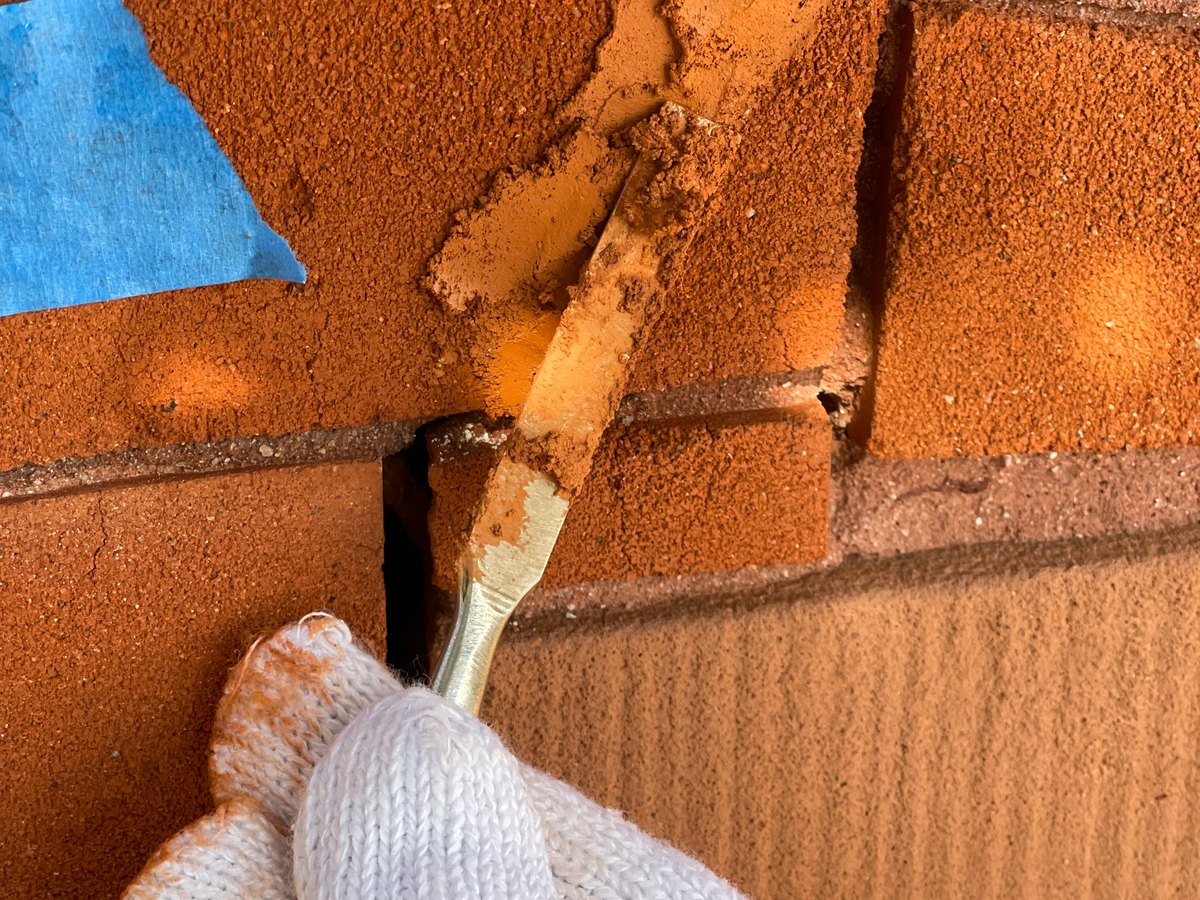
Chimney and fireplace masonry
Brick Chimney Repair and Restoration in Denver
A brick chimney is the most exposed masonry on the house. A chimney stands above the roof, in the full sun, wind, snow and freeze thaw, with no protection but a chimney crown and a cap. When either fails, water runs into the brick chimney, and the mortar joints and brick give way from the top down.
A Failing Brick Chimney Doesn't Always Need to Be Torn Down
A leaning brick chimney, crumbling mortar joints at the top courses or brick spalling at the roofline does not automatically mean a full rebuild. In many cases the lower chimney is sound and the damage stops a few courses below the crown. We find out by inspecting the brick chimney from the roof, the attic and the inside.
Request a ConsultationWhen the chimney is sound below the roofline, we repair only the damaged section: rebuild the top brick courses, replace the crown, repoint in lime mortar and correct the flashing if needed. When the structure is compromised, we rebuild the chimney to its original height, profile and corbelling, using the original brick where it is sound.
Request a ConsultationEither way, the decision follows the brick masonry conditions, not a sales sheet. In Colorado, where snow can sit against a brick chimney for days and then melt in afternoon sun, a well detailed crown and flashing make more difference to a brick chimney's life than almost anything else.
Request a ConsultationChimney Crown Repair, Tuckpointing and Full Chimney Rebuilds
The chimney crown is the roof of the chimney. A cracked or flat crown lets water into the top of the masonry, where it freezes, expands and splits the brick and the mortar joints beneath it. A failing crown is the most common cause of chimney damage we see.
Request a ConsultationWe replace cracked crowns with properly sloped crowns that overhang the brick and shed water away from the face. We install caps, repair or replace flashing where the chimney meets the roof, and tuckpoint the brick chimney in lime mortar matched to the original. When the masonry above the roof has failed, we take the brick chimney down to sound brick and rebuild it, with reclaimed brick to match.
Request a ConsultationA full chimney rebuild is a chance to restore what earlier repairs removed: corbelled caps, decorative courses, the original height. We rebuild to the original profile to the building code in Denver, so the chimney looks like it belongs on the house in Denver it was built for.
Request a ConsultationFireplace Masonry Repair and Firebox Rebuilds
The firebox takes the heat inside your fireplace. Over time, firebox brick cracks and loosens, mortar joints wash out and the firebox back wall bulges or falls. The hearth in front cracks or settles. A damaged firebox is more than a cosmetic problem: open mortar joints in the firebox let heat reach materials behind the masonry that were never meant to see it.
Request a ConsultationWe repair and rebuild fireboxes, brick and stone hearths and mantels. Loose and cracked firebox brick comes out, and the firebox rebuild restores a sound, tight masonry lining built for the heat of a working fireplace. Cracked hearths are repaired or rebuilt to the original size and pattern, with brick or stone matched to the surround. Decorative stone mantels are restored to their original masonry detail.
Request a ConsultationThe fireplace surround and the brick around it carry the original character of the room. We protect that brickwork during the work, and where the surround needs repair, we match the brick and mortar so the fireplace looks original. Many fireplaces in Denver's older homes were built with care, and they can last for generations more.
Request a Consultation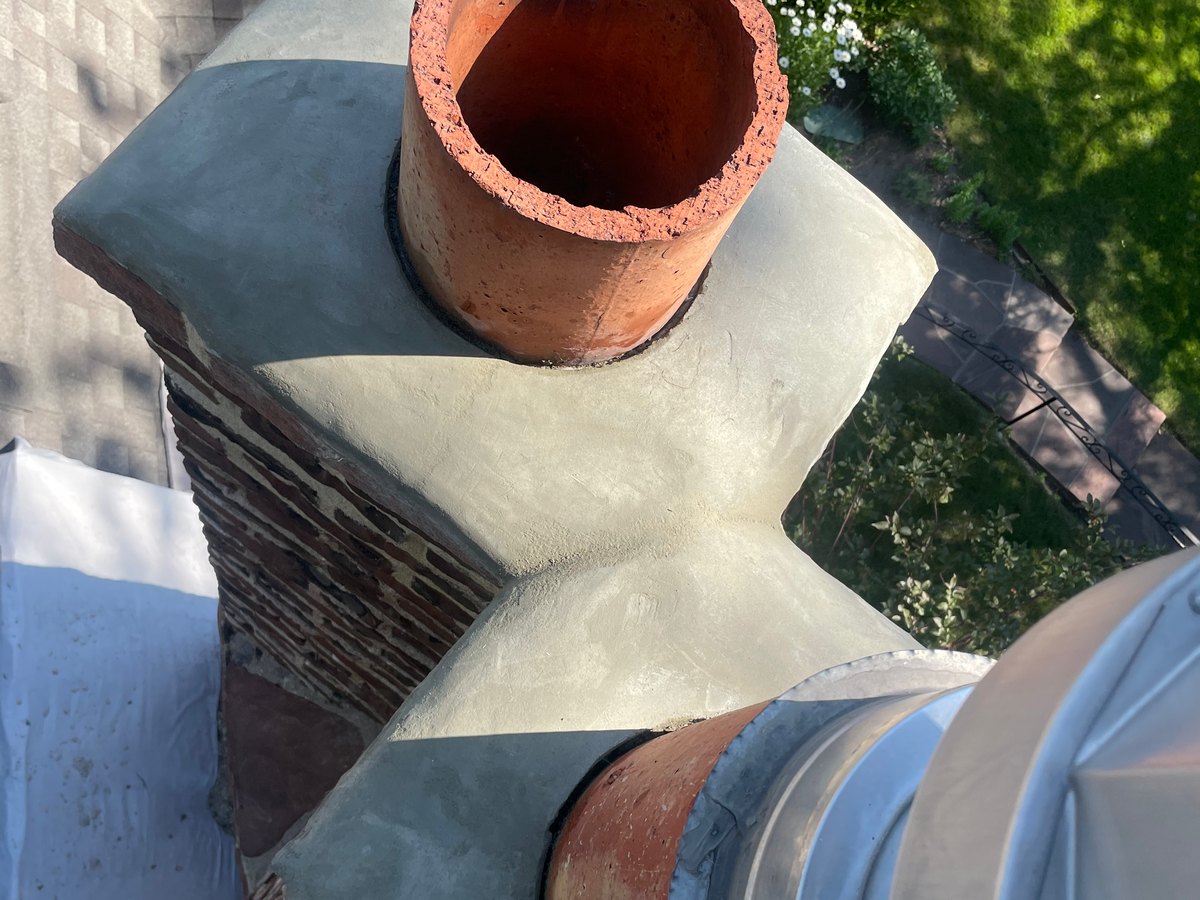
Cleaning and paint removal
Brick Cleaning and Paint Removal in Denver
Cleaning brick or stripping paint should leave the masonry in better condition, not just a brighter color. The fired skin on the face of a brick is its protection. Remove it with harsh cleaning, and the soft core underneath starts to erode in a few winters. The right brick cleaning removes the dirt or paint and leaves the brick face intact.
Remove the Paint. Preserve the Brick Beneath It.
Painted brick traps moisture when the paint is the wrong kind, and it hides the color and texture of the original masonry. Removing it can restore a building's original appearance and function. Removing it badly can ruin the brick.
Request a ConsultationSandblasting and high pressure water may strip paint fast, and they strip the fired skin of the brick along with it, causing damage. The result is predictable: the hard outer layer is gone, the soft inner core is exposed, tooled mortar joints are worn away and the masonry takes on more water. On a building in Colorado's climate, that brick starts spalling within a few freeze thaw seasons.
Request a ConsultationPreservation methods call for the gentlest means possible. We follow that standard. We identify the paint, the brick and the mortar, then test cleaning and paint removal methods with our brick cleaning and paint removal testing program to evaluate the results before the work reaches the rest of the brick facade. Some brick was painted from the start to protect a soft brick, and in those cases we will tell you that preserving the paint is the better choice.
Request a ConsultationOur brick cleaning and stone cleaning work covers paint stripping, lead paint and hazardous coating removal, efflorescence, biological growth such as algae and moss, and graffiti removal. Where the masonry calls for it, we use non destructive surface cleaning, including high temperature steam and controlled micro abrasion, tested first on a test area. Where a brick building needs a breathable finish after cleaning, we apply limewash, the traditional coating that lets brick and stone dry and breathe.
Request a Consultation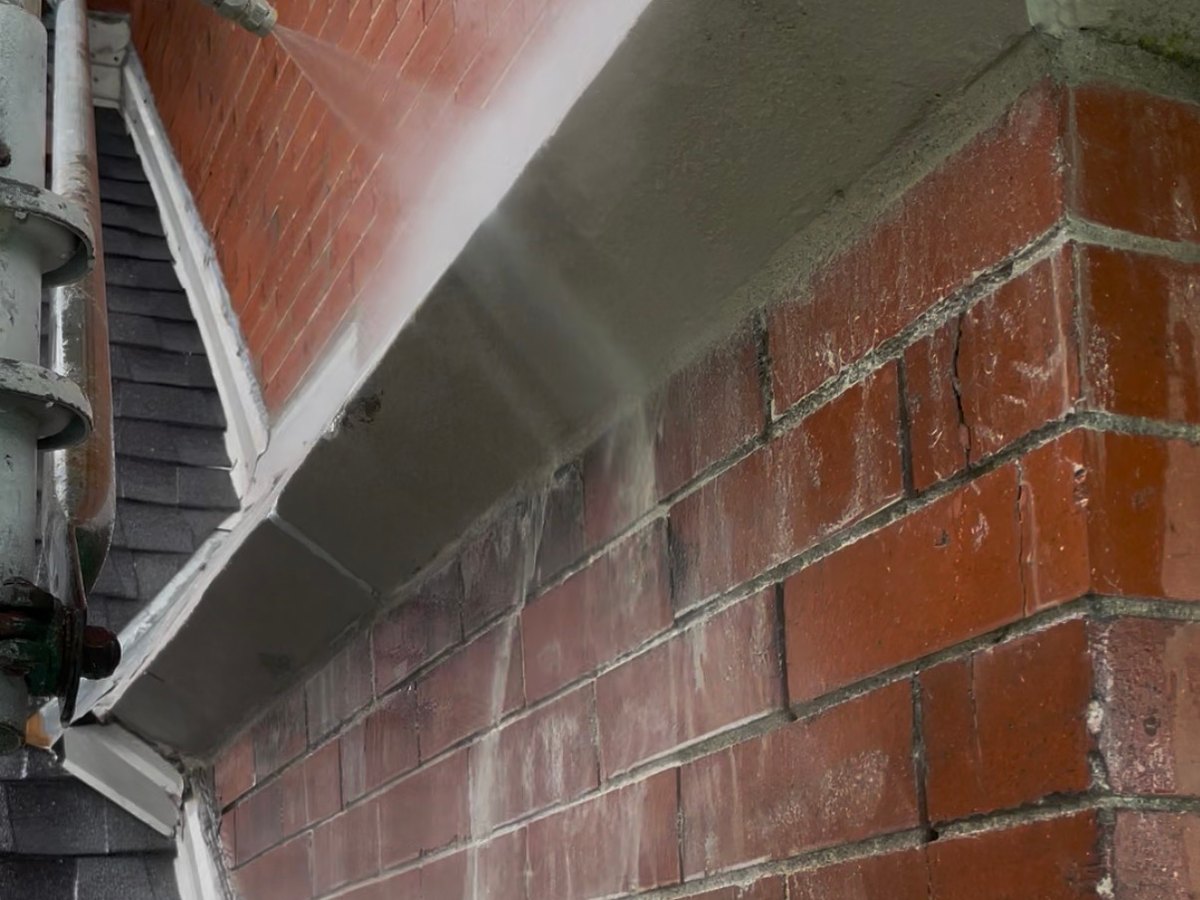
Homes, churches and commercial buildings
Residential and Commercial Masonry Restoration Contractor in Denver
Our brick repair work in Denver runs from brick bungalows to the brick facade of a church or an apartment building or commercial block in Larimer Square. The materials are the same: brick, stone, terra cotta and mortars. The scale, the access and the masonry conditions change, and the plan has to change with them. We also repair interior exposed brick in homes and lofts, using the same lime mortar and gentle cleaning.
Brick Parapet Wall Repair Before a Failing Parapet Puts the Building at Risk
A parapet wall stands above a flat roof on both sides, wet from rain and snow on both faces. It gets more weather than any other wall on the building, and it is the first place deteriorated mortar joints, failed coping or brick wall cap and cracked brick show up on old buildings and apartment buildings in Denver.
Request a ConsultationA failing parapet leans, bows, bulges or sheds brick. Water through the top of the wall saturates the brick wall below, stains interior plaster and corrodes anchors and lintels. On the Front Range, where repeated freeze thaw cycles come one after another through the winter, that saturated brick deteriorates fast.
Request a ConsultationWe repair the stone or brick parapet wall coping, the flashing and the mortar joints, and rebuild parapets that have lost their stability. We use brick and mortar matched to the original, so the top of the building matches the brick facade below it. A well maintained parapet protects the roof, the brick facade, the walls below, and the people on the sidewalk below.
Request a ConsultationBrick Facade Repair for Churches, Schools and Apartment Buildings in Denver
Masonry churches, schools and apartment buildings carry large areas of historic brick facades, with towers, cornices, stone trim and terra cotta. They are among the most visible buildings on their block. Their brick masonry conditions are also harder to see from the ground, where most damage hides above the second floor.
Request a ConsultationWe begin a brick facade project with a close inspection of the brick face, the condition of the mortar joints, the stone and terra cotta trim, the lintels and the anchors and overall masonry system. We document conditions by elevation, so owners, boards and property managers can see what is urgent and what can wait. Then we plan the work around the people who use the building: worship schedules, school calendars and tenants coming and going.
Request a ConsultationThe brick repairs follow the same standard as a single home: compatible lime mortar, in kind replacement, reclaimed and replicated brick and stone. On large masonry facades in Denver, consistency is everything. Every elevation has to match, from the first scaffold lift to the last.
Request a Consultation
Historic materials and details
Historic Masonry Restoration in Denver for Landmark and Historic District Properties
For landmark and historic district properties in Denver, historic masonry restoration means working to the Secretary of the Interior's Standards for the Treatment of Historic Properties. Brick repair before replacement. Replace in kind where a repair will not work.
Use the gentlest means possible. Document what you change. Those principles guide every historic building we restore. We have supported projects funded by the City and County of Denver, the Colorado State Historical Fund, the National Trust for Historic Preservation, the State of Colorado, the U.S. Department of the Interior and the U.S. Department of the Treasury.
Church of the Advent: Denver Landmark and State Historical Fund Restoration
The Church of the Advent worships in a Denver Landmark in Villa Park, Denver, built in 1913 as the 7th Avenue Congregational Church. When church members sought a Colorado State Historical Fund grant through History Colorado, Brick Repair Denver's technical assessment, scope and deliverables helped them obtain it, and we took part in the whole process. The work included exterior brick cleaning, historic repointing of butter joints, cast stone repair and restoration on all elevations, and rebuilding sections of the bell tower.
Cass Mansion: Manitou Sandstone and Parapet Restoration on a Denver Landmark
The Cass Mansion in Capitol Hill is a Denver Landmark. Architects Willis Marean and Albert Norton designed the Dutch Revival home, finished in 1899 for the family of Dr. Oscar David Cass, one of the city's earliest bankers. Brick Repair Denver restored its Manitou sandstone and historic brick. We rebuilt the stepped parapet walls on the south, north and east elevations, repaired and restored 42 individual Manitou sandstone copings, repointed in historic mortar, matched brick repairs to the original materials, and cleaned the brick and stone.
Restoring a Historic Landmark in Denver Without Erasing What Made It One
Historic masonry restoration in Denver starts with what is worth keeping, and our work follows preservation methods. We examine the original brick, stone, terra cotta and mortar together. Careful observation tells us how the original brick masons laid and built them.
Request a ConsultationThen we repair with compatible materials: historic mortar, reclaimed brick, stone matched by type and finish, and terra cotta replaced in kind. We keep as much original fabric as the building can safely retain. Where we must replace it, the replacement matches the original in size, color, texture, detail, and function.
Request a ConsultationOur landmark preservation process in Denver is thorough. It begins with a failure investigation, then photographing and cataloguing the original materials. Where a section must come down, we dismantle and salvage it, and reconstruct it to its original location. We carry out restoration, rehabilitation and preservation as the property requires, along with brick facade cleaning and masonry repair programs. Behind the field work sit historical data and document review, liaison with landmark and historic commissions, schematic design and document preparation, and oversight of material matching, sourcing, and original design fidelity. For eligible properties, we prepare the technical assessment, scope and deliverables that support State Historical Fund grant applications through History Colorado, and we provide the documentation, review and compliance work for local landmark processes and state and federal historic tax credits.
Request a ConsultationThe goal is a brick building that looks cared for, not remodeled. When a landmark or historic district property in Denver is restored well, people walking past it see only the building, not patchwork, and that is how it should be.
Request a ConsultationTerra Cotta Restoration and Repair
Glazed architectural terra cotta gave early twentieth century buildings their ornament: cornices, columns, window surrounds and facade panels. Each unit is a hollow, fired clay block, glazed and held in place by metal anchors. When water reaches the anchors, they rust, expand and crack the terra cotta from inside.
Request a ConsultationThe signs of trouble are specific: crazing in the glaze, glaze spalling, cracked or missing units and rust stains at the mortar joints. We inspect terra cotta closely, tapping units to find hollow or loose sections, and we locate the cause of the moisture. Then we repoint with mortar of lower compressive strength than the terra cotta, repair cracked units and replace failed pieces in kind.
Request a ConsultationWhere a unit is missing or beyond repair, we replicate the terra cotta to match the original profile and glaze. Terra cotta is part of what makes many of Denver's older commercial buildings and churches distinctive, and it deserves careful restoration.
Request a ConsultationLearn more about terra cotta repair →
Historic Brick and Stone Repair, Restoration and Replacement
Historic stone in Denver comes in four main families: sandstone, limestone, Arizona redstone and rhyolite. Each weathers differently, and each needs its own repair. Our crews have worked on the Arizona red sandstone masonry facade of the Brown Palace Hotel, one of the most recognized stone buildings in Colorado, and the Manitou sandstone of the Cass Mansion, and we bring that same care to homes, churches and commercial buildings.
Request a ConsultationOur historic brick and stone repair covers the full range of the restoration work: historic stone rebuilding, stone injection repair for cracked units through our stone conservation program, stone wall stabilization, and stone sill and lintel repair and replacement. Where part of a stone has decayed, a Dutchman repair sets a new piece of matching stone into the original, keeping the rest of the original stone in place. Smaller losses are handled with stone patching and staining matched to the surrounding surface.
Request a ConsultationBehind every repair is stone conservation: keeping as much original stone as possible, repointing it in historic mortars, and replacing only what cannot be saved. That approach is what separates stone restoration contractors who preserve a building from those who simply replace it with different or non-historic stone materials from Wal-Mart.
Request a ConsultationWhen the Original Brick No Longer Exists, We Make It
Some historic brick is no longer made anywhere. The kiln that fired it closed decades ago. No salvage yard has enough of it to finish the brick repair. When that happens, the usual answer is a close enough brick from a catalog. On a historic building, close enough shows.
Request a ConsultationWe replicate brick, stone and terra cotta to match the original: its dimensions, style, color range, texture and the character of its face. For stone, that means stone casting where a cast unit is appropriate, and stone carving and sculpting of exact replicas where only cut stone will do. Each replication is tested against the original brickwork before it goes into the building. The brick or stone replacement has to look right and also perform right, with porosity and strength compatible with the masonry beside it.
Request a ConsultationThat is what in kind replacement means: a new unit that matches the original in appearance and stays physically compatible with the historic masonry around it. On historic buildings in Denver, replication is the only way to finish a repair the right way.
Request a Consultation
When a landmark or historic district property is restored well, people walking past it see only the building.
Stone masonry
Stone Masonry Repair and Restoration in Denver
Stone masonry repair and restoration in Denver call for the same discipline as historic brick: find the cause, keep the original stone and use mortar that protects it. Good stone repair is quiet work that leaves the original stone in service. Sandstone and limestone are softer and more porous than most owners expect, and the wrong stone repair shortens their life quickly.
Stone Repair for Sandstone and Limestone Details
Sandstone and limestone sills, lintels, steps, foundations and trim give older buildings their weight and detail. Both stones are porous and both are vulnerable to water, salt and freeze thaw. Sandstone delaminates along its bedding planes. Limestone dissolves slowly in acid rain and erodes at its edges.
Request a ConsultationWe repair stone with compatible mortars and patching materials, matched to the stone's color, texture, and stone type. Where the stone is still sound, we keep the original in place. We stabilize the substrate, remove loose material and prepare the stone for a patch, then apply restoration mortars designed specifically for sandstone or limestone, with properties compatible with the original stone. Each patch is color matched to the surrounding surface and carved to the original profile. Where a piece is too far gone, we replace it in kind with stone of the same type and finish, cut or carved to the original profile. Mortar joints around stone are repointed with mortar softer than the stone, so movement and moisture pass through the mortar joint and not the stone.
Request a ConsultationMany stone buildings in Colorado use local sandstone in their foundations, sills and trim. Red-orange Manitou sandstone was commonly used. Regardless of the stone, we work to keep as much of that original stone as possible, because once it is replaced with something else, the building loses something it cannot get back.
Request a ConsultationStone Wall and Stone Foundation Repair for Older Buildings
Stone walls and stone foundations were laid to move and breathe. Rubble and coursed stone walls depend on their mortar joints to bed each stone, carry the load evenly and let moisture escape. When that mortar washes out, stones loosen, the wall loses its bearing and water reaches deeper into the core of the wall.
Request a ConsultationOur stone wall repair starts with the mortar. We rake out deteriorated mortar joints by hand to sound material and repoint in lime mortar matched to the original sand and color, softer and more vapor permeable than the stone it holds. Where stones have cracked or split along their bedding planes, we reset them, or replace them in kind with stone of the same type, color and finish. Where a matching stone is no longer available, we replicate it.
Request a ConsultationThe result is a stone wall that sheds water and carries its load the way it was built to. On older buildings across Colorado, especially in Boulder, CO, stone foundation repair done with proper mortar keeps the original stone in service for decades more, where a hard cement repointing would begin to break it down within a few winters.
Request a ConsultationStone Veneer Repair for Homes and Commercial Buildings
Stone veneer is a non-load-bearing facing, but repairing it involves more than the visible stone. Whether installed with mortar joints or a dry-stack appearance, the veneer depends on the backing wall, attachment and moisture-management components working together. Loose stones, cracked faces, deteriorated joints and moisture staining can indicate failures deeper in that assembly.
Request a ConsultationAt Brick Repair Denver, stone veneer repair begins by identifying why the system has failed, not simply where a stone has fallen off. We evaluate the backing, whether concrete, concrete masonry block or wood-framed construction, and the installation appropriate to that substrate. For adhered stone veneer, this means examining water-resistive barriers, lath and its fastening, scratch coats and setting mortars where required, along with flashing, drainage and connections around openings. Concealed conditions may require selective removal to determine the extent of the problem.
Request a ConsultationWhere deficiencies are identified, we address the affected assembly before reinstalling the stone facing. This may involve repairing the backing, restoring water-management details, replacing improperly secured lath, or rebuilding failed scratch coats and mortar beds. Each component must be appropriate to the substrate and integrated with the surrounding installation.
Request a ConsultationSound stones are cleaned and reset, and damaged stones are replaced with stone matched in size, color, texture and finish. Mortared joints are repaired to match the existing width and tooling, while dry-stack veneers retain their intended jointless appearance. The objective is stone veneer repair that corrects the underlying failure and restores the finished masonry, not another surface patch over the same problem.
Request a Consultation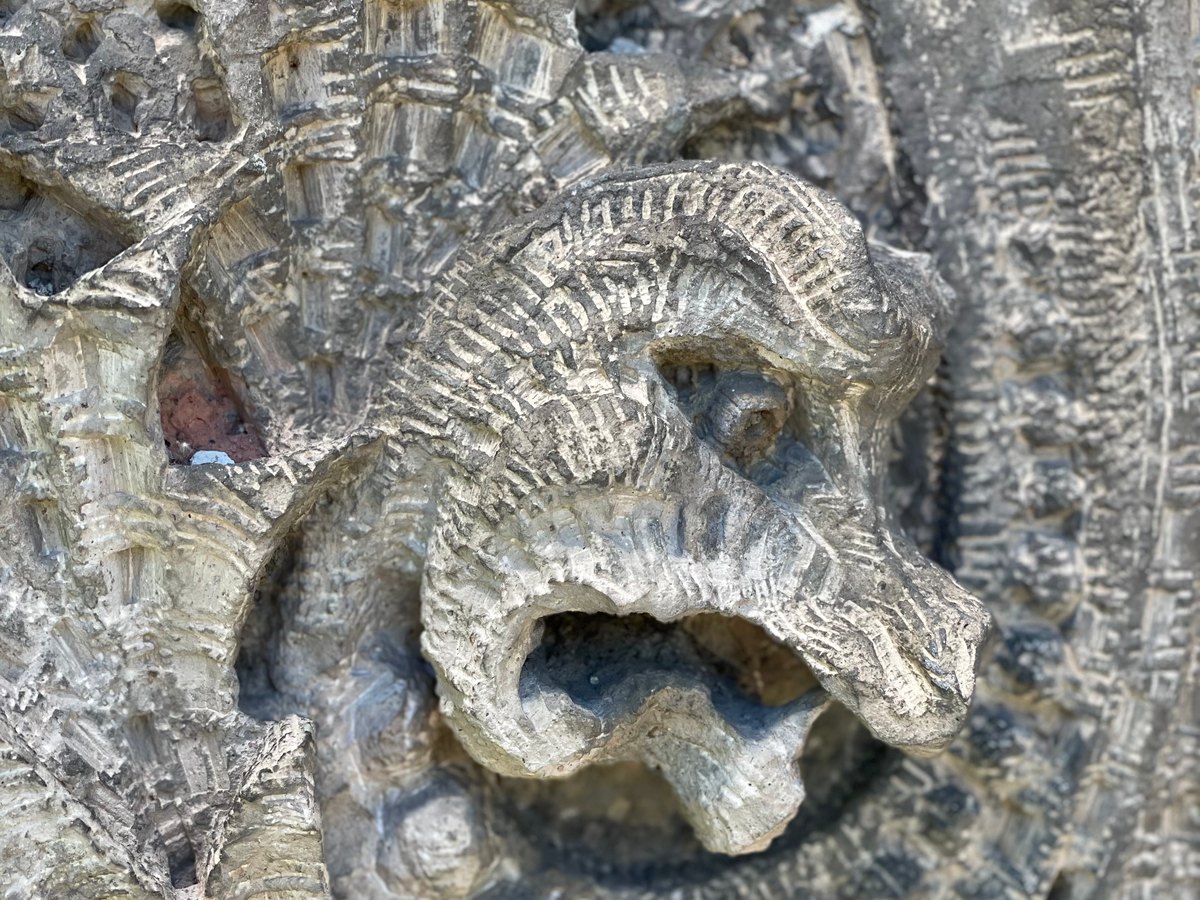
Structural masonry foundations
Structural Brick and Stone Foundation Repair in Colorado
Foundation work begins with the soil and the water, then moves to the masonry. A stone foundation wall or a brick foundation carries the entire building above it. When it loses its mortar, settles or bulges, the problems show up all the way to the roofline.
Foundation Mortar Should Match the Masonry It Holds Together
Historic foundations were laid in lime mortar, and they were designed to move. Lime mortar lets a stone foundation wall or a brick foundation breathe, so moisture from the soil can leave through the mortar joints. When those mortar joints are repointed with hard cement mortar, the moisture moves through the stone or brick instead, and the masonry begins to crumble.
Request a ConsultationWe repoint foundations with lime mortar matched to the original, softer and more vapor permeable than the stone or brick it holds. We rake out deteriorated mortar joints to sound material and fill them in layers, the same way we repoint a brick facade above grade.
Request a ConsultationIn Colorado, foundations face rising damp, expansive clay, and freeze thaw at the grade line. We identify where water reaches the stone foundation wall, then repair the masonry with compatible materials that let the foundation dry.
Request a ConsultationLoad Bearing Brick Walls and Foundations Are One Structural System
Most older brick homes in Denver are built with load bearing mass masonry walls. The brick walls carry the floors and the roof on their own, with no steel or wood framed walls behind them. These walls are multi wythe, meaning they are built from several layers of brick laid side by side from the interior face to the exterior face. Above grade they are commonly two or three wythes thick, and below grade the foundation is often three, four or even five wythes thick.
Request a ConsultationThe foundation is not a separate concrete footing with a house set on top of it. The same brick and lime mortar wall starts below grade and continues up through the first floor and beyond as one continuous assembly. Header courses tie the wythes together, typically every sixth to eighth course, by turning bricks endwise into the wall. Some homes use blind headers instead, where clipped face bricks hide diagonal headers behind them, so the bond is never visible from the street. When any part of that system moves, the whole wall responds, which is why foundation movement shows up above as step cracking, displaced lintels and doors that no longer close.
Request a ConsultationWhen a brick or stone foundation has failed, we provide structural foundation repair and reconstruction. We take down the failed section and rebuild it wythe by wythe in compatible lime mortar, restoring the header courses that knit the wall together. Above grade, we repair the brick facade to match the original.
Request a ConsultationStructural foundation repair on a load bearing masonry home is serious work. You cannot remove an entire foundation wall at once, so we shore the structure and rebuild in segments, sequencing each section according to the span. We rebuild to the original dimensions, materials and bond, so the house stands on a wall built for another century.
Request a Consultation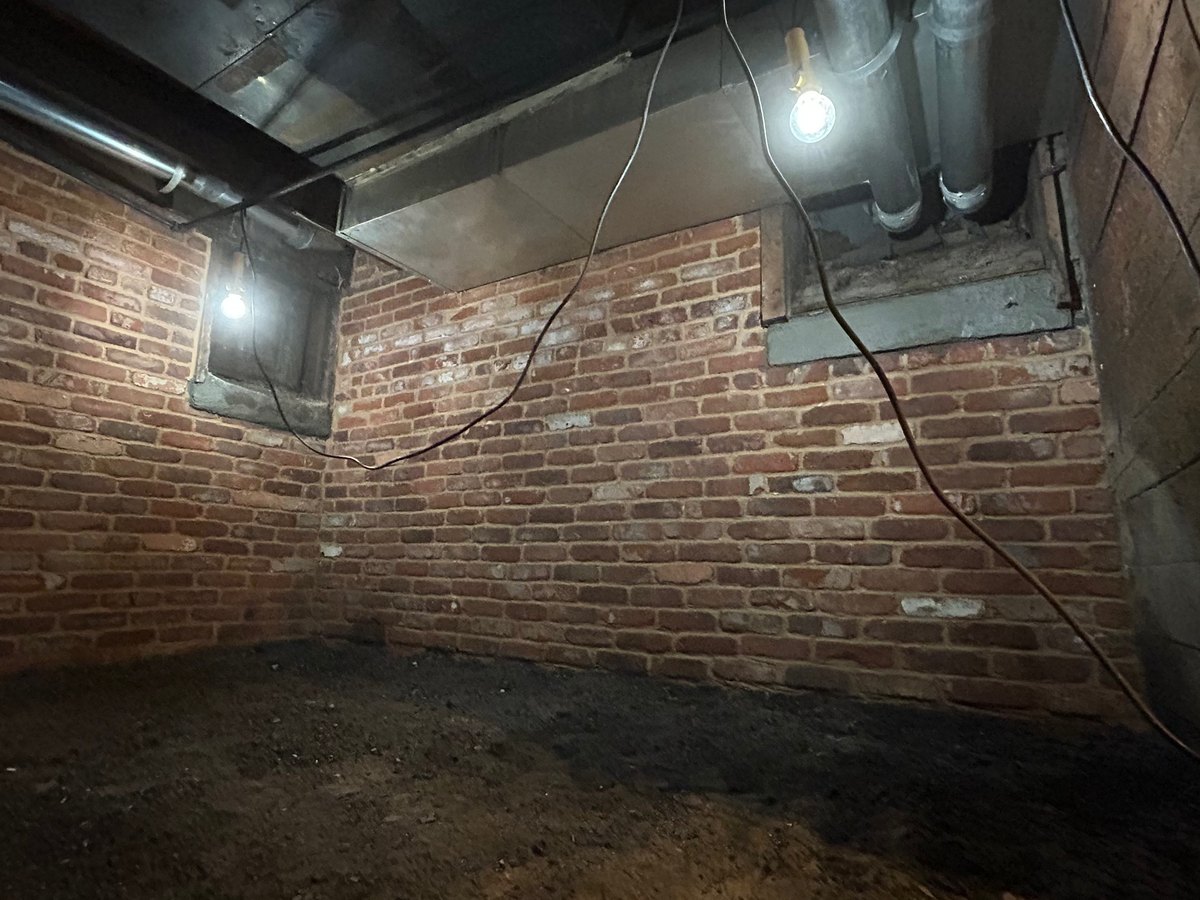
Brick veneer repair
Brick Repair and Brick Veneer Repair for Newer Homes
Most brick houses built in Denver from the 1940s through the early 2000s are not solid brick. They are brick veneer: a single wythe of non-load-bearing brick set in front of a wood frame or concrete block wall, with an air space between the two. Metal ties hold the brick to the backing. Flashing and weep holes carry water out of the air space. When any one of those parts is missing or fails, the brick shows it. We treat brick veneer repair as its own work, separate from historic brick restoration: we find the failed part of the wall system and repair it, not just the brick you can see.
Why Brick Veneer Fails: Missing Weep Holes, Flashing and Rusted Brick Ties
A brick veneer wall is built to get wet. Rain in Denver soaks into the brick and mortar, runs down the back of the brick in the air space, lands on the flashing and leaves through the weep holes at the base of the wall and above every window and door. Take away any part of that path and the water stays inside the wall.
Request a ConsultationThat is what we find on many newer brick homes in Denver. Weep holes were never installed, were filled with mortar droppings during construction or were stuffed with steel wool or caulk to keep insects out. Flashing was left out or cut short, so water runs off it and into the framing. Wall ties were spaced too far apart, never fastened into a stud or rusted through after decades in a wet air space.
Request a ConsultationIn Colorado, trapped water does more than stain the brick. It freezes in the brick, in the mortar joints and in the air space, and each freeze thaw cycle pushes the veneer a little further from the wall behind it. Our brick veneer repair in Denver begins by finding which of those parts failed, and the repair is planned from there.
Request a ConsultationBulging Brick Veneer and Brick Pulling Away From the House
A bulge in a brick wall, a gap opening at a window frame or corner, or brick that moves when you push on it are the signs of brick veneer separating or detaching from the house. The wall ties that hold the brick veneer to the backing have rusted, pulled loose or were never installed. The brick is now standing on its own, held up by nothing but its own weight and the mortar beneath it.
Request a ConsultationWhere the brick is still plumb and sound, we install retrofit anchoring systems through the bricks or mortar joints and into the framing or block behind, tying the veneer back to the structure without taking the wall down. Where the veneer has bulged out of plumb or lost its bond, we take down the affected section, correct the ties, flashing and weep holes behind it and relay the brick.
Request a ConsultationBrick pulling away from a house in Denver does not stop on its own. Wind and the freeze thaw cycles of a Colorado winter keep working on a veneer that is no longer tied in. The sooner it is anchored or repaired properly, the more of the original brick stays on the wall.
Request a ConsultationBrick Veneer Rebuilds to the Current Building Code in Denver
When a brick veneer wall has failed across a large area, the lasting repair is a rebuild. We take the veneer down to the backing and inspect the sheathing, the water resistive barrier and the framing or block behind it, so hidden water damage is repaired before new brick goes up.
Request a ConsultationThen we rebuild the brick wall system the way the current building code in Denver requires: a clear air space behind the brick, corrosion resistant ties fastened to the structure at the required spacing, proper flashing at the base of the wall and over every opening, and open weep holes, if needed, above the flashing to let the water out. The brick is matched to the house in size, color and texture, with salvaged brick reused wherever it is sound.
Request a ConsultationThe result is a brick wall that drains and performs the way it was designed to, on a home in Denver built anytime from the 1940s through the 2000s. It is the same discipline we bring to every masonry repair: find the cause, fix the wall system and leave the brick looking like it has always been there.
Request a Consultation
Choosing your masonry contractor
Choosing Masonry Contractors in Denver: A Family Craft Dating to 1942
Hiring masonry contractors for an older brick or stone building in Denver is a decision about materials and judgment, not just price. The right masonry repair contractors know which mortars are appropriate, and they can tell reclaimed brick from new and repair from replacement. The wrong masonry contractor learns those differences on your brick building.
Our team provides experienced preservation oversight and prepares the technical side of landmark and funding projects: condition assessments, scopes of work and historic fabric documentation, written the way Denver Landmark Preservation and History Colorado reviewers expect. We have supported publicly funded and grant assisted restoration projects backed by the City and County of Denver, the Colorado State Historical Fund, the National Trust for Historic Preservation, the State of Colorado, and federal partners such as the U.S. Department of the Interior and the U.S. Department of the Treasury. Our brick and stone restoration portfolio includes privately owned homes, individually designated local landmarks, contributing buildings within landmark districts, state designated historic properties and Denver Landmark and State Historical Fund projects.
A Family Masonry Craft
A masonry repair starts with understanding the original materials and the cause of the damage. We study how the original masons used brick and mortar, then repair the cause, not the symptom. As masonry restoration contractors, we bring that standard to every brick building we restore in Denver. We match the mortar, the mix and the method to the wall, so the repair holds up the way the original did.
Request a ConsultationBrick Repair Denver began with the owner's grandfather, laying and repairing brick and stone masonry. A later generation returned to the craft in the early 2000s and built the company around historic masonry restoration. The trade knowledge has been handed from one generation of masons to the next.
Request a ConsultationThat history shows in the details: the way a mortar joint is struck, the way reclaimed brick is blended, the way a lime mortar is mixed and cured. It is the kind of knowledge that comes from decades on old brick and stone walls.
Request a ConsultationWhat to Ask a Masonry Contractor Before You Hire
Before you ask a brick repair contractor anything, ask yourself a few questions. Do you know what mortar is in your wall right now? Do you know what the last contractor used, or why that repair did not hold? If you are not sure, the contractors you call should be able to tell you.
Request a ConsultationAsk the masonry contractor what mortar they will use and why. If the answer is a bagged mix or a cement based mortar, or they call out "Type S" or "Type O," keep asking.
Request a ConsultationAsk how they will remove the old mortar. Hand chisels protect the brick edges, and power grinders on head joints chip them. Ask whether they test on a trial area before starting, how they will match replacement brick and stone, whether they follow preservation methods, and whether they are licensed and insured for the scale of your project.
Request a ConsultationThen ask the most important question: what caused the damage? A brick restoration contractor who cannot answer it is offering to repair the symptom. On older brick buildings in Denver, that answer is what separates masonry preservation from patchwork.
Request a ConsultationWhy the Lowest Bid From Masonry Contractors Can Cost the Most
Think back to the last masonry repair on your building. Did it fail because it cost too much, or because it cost too little?
Request a ConsultationA low bid for masonry repairs usually saves money where you cannot see it: in the approach, the know-how and the care. It skips the time it takes to understand why the wall failed and what the right solution truly is. From there, the shortcuts follow. The wrong mortar, cement instead of lime. The wrong brick, new brick that does not match the age and period of the building. And no time for the work itself, with grinders instead of hand tools and no curing. Each shortcut is invisible on the day the job is finished.
Request a ConsultationThey show up later, and that is when the owner becomes unhappy. Cement mortar damages the brick face. Mismatched brick and gray mortar joints mark the brick facade. Mortar that dries too fast in Colorado's sun cracks and falls out within a few seasons. The next masonry contractor has to remove the bad repair before starting the right one, and the owner pays for the work twice. What would it mean for your building to have this wall done twice?
Request a ConsultationCompare bids by what they include: the mortar type, the removal method, the brick source, the joint profile, the curing and the cause being identified. That is where the real difference between masonry contractors lies.
Request a ConsultationWe are never the lowest bid, and we are not the right masonry contractor for every project. If price is the deciding factor, we may not be a fit. If the work needs to last as long as the building, we should talk.
Request a ConsultationHow a Good Masonry Contractor Treats Your Home During the Work
Masonry work is messy, loud and long. A good masonry contractor plans for that before the first scaffold goes up. We plan material routes, protect landscaping and keep work areas separate from the space you live in. On churches, schools and occupied commercial buildings, we plan the same way around services, classes and tenants.
Request a ConsultationWe take our boots off at your door, cover floors before carrying materials through and park with your neighbors in mind. If it is trash day and the cans are still by the garage, we roll them to the curb. Those habits are part of how we work, carried out alongside the repair scope. Our daily job site looks better than a tailgate outside Mile High Stadium, and we leave it in better shape when the work is finished.
Request a ConsultationFor our clients, that care is part of the masonry service. The repairs should last for generations, and the experience of having them done should be one you are glad to remember.
Request a Consultation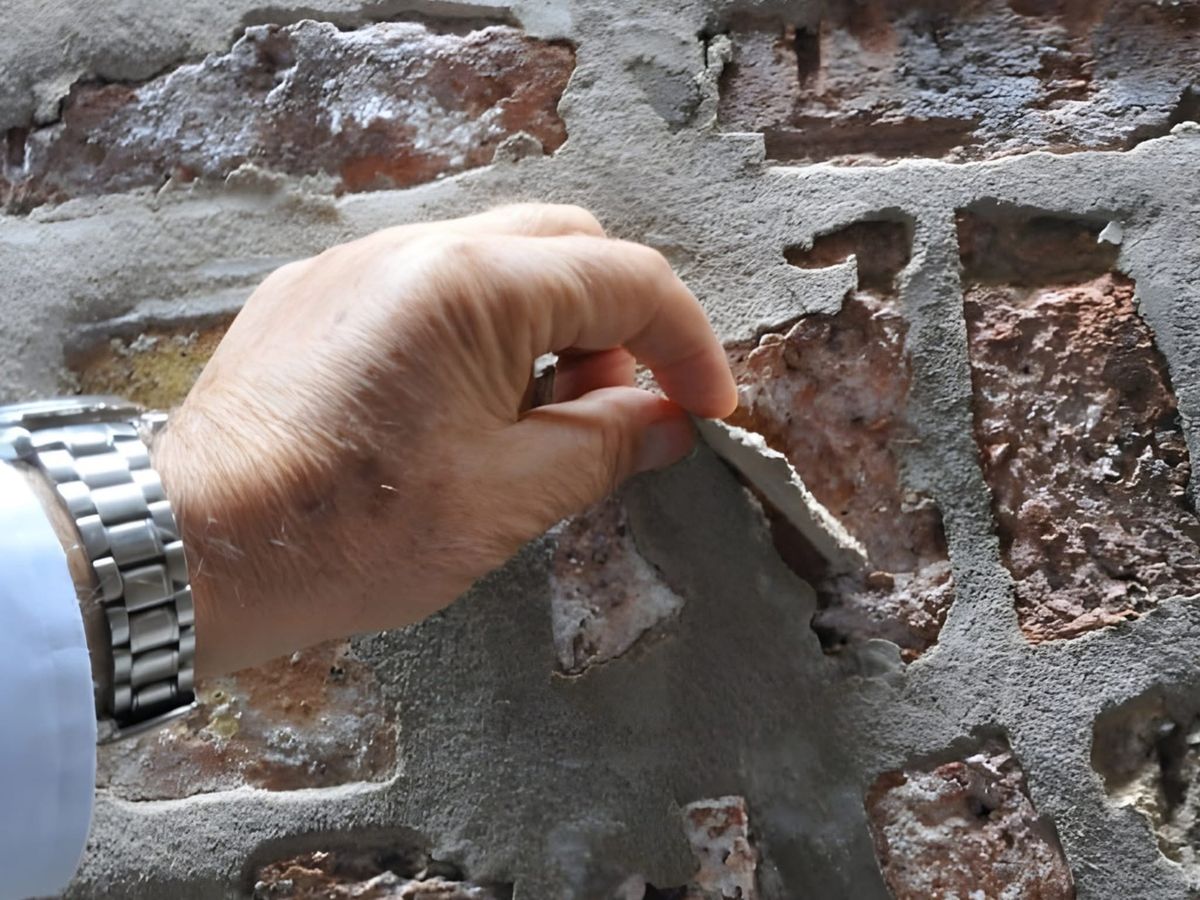
Common Masonry Questions
Brick Repair and Tuckpointing Questions From Colorado Property Owners
Owners across Colorado ask us the same few things: can the brick or stone be saved, what drives the cost of masonry repairs and why the last repair failed. Here are straight answers, based on how historic masonry works and sound preservation practice.
Can a cracked brick wall be repaired without rebuilding it?
In most cases, yes. Most cracked brick and stone walls can be repaired in place once the cause is understood. Hairline cracks through mortar joints are repointed. Cracked brick is replaced in kind. Small areas of displaced masonry are taken down and relaid.
Request a ConsultationA rebuild becomes necessary when the wall has lost its bond, bulges away from the structure behind it or has moved so far that the brickwork is no longer stable. We tell you which situation you are in after a masonry conditions assessment, and we repair only as much as the brick masonry needs. On the Front Range, many cracked brick walls trace to expansive clay soils and water at the foundation, and identifying that cause comes first.
Request a ConsultationHas anyone told you why your wall cracked, or only how they would fix it? Without that answer, a patch only treats the symptom.
Request a ConsultationWhat affects the cost of brick repair?
The cost of brick repair follows the scope of the work: how much mortar needs to be raked out and repointed, how many bricks need replacement, whether reclaimed brick is available or replication is needed, and whether any structural rebuilding is involved.
Request a ConsultationAccess matters too. A first floor wall is different from a parapet four stories up or a chimney on a steep roof. Historic buildings can need lab mortar analysis, test panels and documentation. We explain the scope in plain terms, so you understand exactly what the work involves.
Request a ConsultationThe better question may be what it costs if the repair is done wrong. A failed repair has to be redone, and the brick it damaged cannot be bought back.
Request a ConsultationWhy do DIY mortar repairs fail on older brick?
DIY mortar repairs fail because the materials are wrong for old brick. Bagged mixes and masonry cement are harder and less permeable than historic brick, so they trap moisture and push damage into the brick face. Caulk and sealants trap water inside the brick masonry.
Request a ConsultationTechnique matters as much. Mortar spread over a shallow mortar joint pops out. Joints raked with a grinder damage brick edges. Mortar left to dry in Colorado's sun and wind cracks before it cures. A lasting repair needs the right lime mortar, mortar joints raked to the right depth and slow curing, every time.
Request a ConsultationIf you have already patched it once, ask yourself how long that patch lasted, and what is happening to the brick behind it now.
Request a ConsultationWho restores historic masonry in Denver?
Brick Repair Denver restores historic brick, stone and terra cotta on landmark buildings, churches and historic homes across the Denver metro, following preservation methods. Projects include the Church of the Advent, a Denver Landmark and State Historical Fund project, the Cass Mansion, also a Denver Landmark, and the Brown Palace Hotel.
Request a ConsultationCan you help with State Historical Fund grants and historic tax credits?
Yes. We prepare the technical assessment, scope of work and deliverables that support State Historical Fund applications, landmark review and historic tax credit projects, as we did for the Church of the Advent through History Colorado. You remain the applicant. We know what reviewers look for and map out the technical side, so you never have to produce historic documentation yourself.
Request a ConsultationWho leads the work on historic buildings?
Work is led by owner Jesse Smith, architectural conservator, with Bruce Yantis, Lead Craftsman and Brick Restoration Specialist, backed by a family masonry craft.
Request a Consultation
Denver Neighborhoods, Historic Districts and Home Styles We Serve
Brick Repair Denver restores historic brick and stone across the city, from Victorian rowhouses to church towers and warehouse walls. We bring a family masonry craft to lime mortar, soft brick, sandstone, limestone and Arizona redstone. Call (720) 445-9474 to talk through your building.
Neighborhoods
Central and Capitol Hill: Capitol Hill, North Capitol Hill, Uptown, Cheesman Park, Congress Park, Alamo Placita, Speer, Golden Triangle, City Park West
Hilltop: large brick and stone homes east of Colorado Boulevard between 1st and 6th Avenue, with tall chimneys and period revival detail
East: City Park, Park Hill, North Park Hill, South Park Hill, Northeast Park Hill, Hale, Mayfair, Montclair, Crestmoor
Downtown and Northeast: LoDo, Downtown, Union Station, Ballpark, Five Points, Curtis Park, San Rafael, Whittier, Cole, Clayton, RiNo, Elyria-Swansea, Globeville, Auraria
South: Washington Park, West Washington Park, Country Club, Cherry Creek, Belcaro, Bonnie Brae, Cory-Merrill, Platt Park, Rosedale, University, University Park, Baker
Northwest: Highlands (Highland and West Highland), LoHi, Potter Highlands, Berkeley, Sunnyside, Sloan Lake, Jefferson Park, West Colfax
West and Southwest: La Alma / Lincoln Park, Athmar Park, Barnum, Villa Park
Front Range cities: Lakewood, Englewood, Littleton, Aurora, Arvada, Wheat Ridge, Golden, Edgewater, Boulder, Westminster, Centennial, Greenwood Village, Cherry Hills Village, Sheridan, Louisville, Fort Collins, Loveland, Castle Rock, Parker
Historic Districts
We work to Landmark Preservation design guidelines in all 60 of the city's designated historic districts:
- 200 Block South Lincoln Street Historic District ·
- Alamo Placita ·
- Allen M. Ghost ·
- Baker Neighborhood ·
- Ballpark Neighborhood ·
- City Park Pavilion ·
- Civic Center ·
- Clayton College ·
- Clements ·
- Country Club ·
- Country Club Gardens ·
- Curtis Park 'A' ·
- Curtis Park 'B' ·
- Curtis Park 'C' ·
- Curtis Park 'D' ·
- Curtis Park 'E' ·
- Curtis Park 'F' ·
- Curtis Park 'G' ·
- Curtis Park 'H' ·
- Denver City Beautiful Movement Parkways ·
- Downtown Denver ·
- Driving Park ·
- East Park Place ·
- East Seventh Avenue ·
- East Seventh Avenue Historic District and Steele Street Extension ·
- Five Points Historic Cultural District ·
- Florence F. Martin Ranch ·
- Frank S. Snell Subdivision ·
- Grant Street ·
- Humboldt Street ·
- Humboldt Street and Park Avenue ·
- La Alma Lincoln Park Historic Cultural District ·
- La Raza Park Historic Cultural District ·
- Lafayette Street ·
- Larimer Square ·
- Lower Downtown ·
- Lowry Officers' Row ·
- Lowry Technical Training Center ·
- Montclair ·
- Morgan's Subdivision ·
- Ninth Street Park ·
- Old Highland Business ·
- Packard's Hill ·
- Park Avenue ·
- Pennsylvania Street ·
- Potter Highlands ·
- Quality Hill ·
- River Drive ·
- S.R. DeBoer ·
- Sherman-Grant ·
- Smith's Ditch (City Ditch) ·
- Speer Boulevard ·
- Swallow Hill ·
- Tilden School for Teaching Health ·
- University Park ·
- Vassar School Bungalows ·
- W. 28th Avenue ·
- Witter-Cofield ·
- Wolff Place ·
- Wyman ·
Historic districts we serve include Civic Center, Larimer Square, Curtis-Champa Streets, Enterprise Hill, Glenarm Place, San Rafael, Swallow Hill, Sherman Street, Humboldt Street, Cole Neighborhood, Auraria 9th Street, South Side-Baker, Country Club, Potter Highlands, Highland Park, Old Highland Business and Stonemen's Row, plus the city's listed parkways.
Home Styles
- Denver Square: Capitol Hill, Cheesman Park, Congress Park, Highland. Repointing tall flat walls and porch piers.
- Brick bungalow: Wash Park, Platt Park, Berkeley, Sunnyside, Park Hill. Chimney crowns, porch steps, lintel cracks.
- Craftsman: West Highland, Berkeley, Park Hill, University Park. Clinker brick and stone porch columns.
- Tudor Revival: Hilltop, Country Club, Bonnie Brae, Crestmoor, Park Hill. Tall chimneys and decorative brick patterns.
- Queen Anne (brick Victorian): Capitol Hill, Curtis Park, Five Points, Baker, Potter Highlands. Soft brick that needs lime mortar.
- Terrace and rowhouse: Clements, Curtis Park, Capitol Hill, Baker. Shared walls, parapets and corbeled cornices.
- Italianate: Curtis Park, San Rafael, LoDo, Old Highland. Brackets, arched windows, stone sills.
- Romanesque and rhyolite: Capitol Hill, Cheesman Park, North Capitol Hill, LoDo. Rough-cut rhyolite and sandstone that need matched mortar.
- Mediterranean: Hilltop, Country Club, Bonnie Brae, Park Hill. Stucco over brick and tile roof parapets.
- Colonial Revival: Hilltop, Country Club, Montclair, Park Hill. Crisp brick bonds and limestone trim.
- Historic churches: Capitol Hill, Cheesman Park, Five Points, Highland. Rhyolite and sandstone towers, arches and tracery.
- Historic schools: citywide, including districts like Tilden School and Vassar School Bungalows. Large facades and cast stone.
- Apartment buildings: Capitol Hill, Uptown, Cheesman Park. Multistory repointing and lintel repair.
- Warehouses and commercial blocks: LoDo, RiNo, Ballpark, South Broadway. Thick brick walls and painted brick removal.
Discuss the masonry condition
Tell Us About Your Brick and Masonry Project in Denver
Here's all it takes. Tell us what you're seeing on the brick or stone, when you first noticed it and where it is on the building. Send photographs of the brick or stone and areas of concern. We'll look at what's happening with the masonry and talk with you about whether a consultation makes sense for your building. If we're not the right fit, we'll tell you plainly.
What We Need to Know Before Recommending the Next Step
Send the building's approximate age and the affected area. Send photographs of the brick or stone and areas of concern, including close views of the mortar joints and the surrounding brick facade. For roofline problems, common under Colorado snow, a photo of staining below the flashing helps us find where water gets in.
Tell us about earlier brick or stone repairs, recurring dampness, and whether the damage has changed over time. We review the photographs and that background, qualify the inquiry, then recommend the appropriate next step for your property. Sending a request does not automatically schedule a site visit.
Tell us about your brick. We will take it from there.
Start Your Project Request
- Tell us what you're seeing on the brick or stone
- Send photographs of the brick or stone and areas of concern
- We review and qualify the inquiry, then recommend the appropriate next step
Prefer to reach us another way? Visit our contact page.