
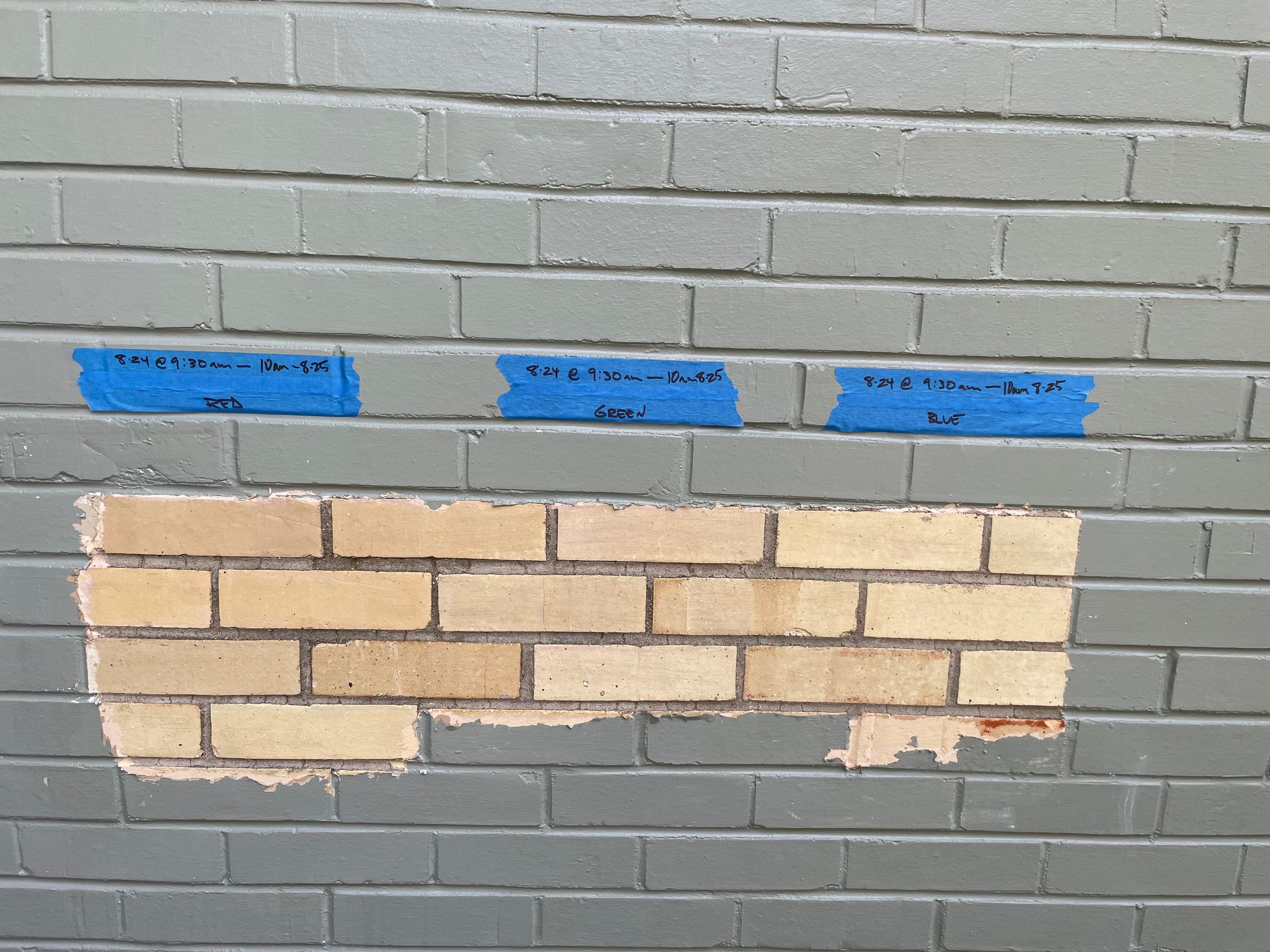
Paint on brick can hide a lot: soft historic brick, old repairs, decorative detail and moisture trapped inside the wall. This page goes deeper into how Brick Repair Denver plans paint removal from brick and stone, from the first test panel through the final cleaning stage, for exterior walls, painted fireplaces and interior brick across Denver and the Front Range.
Planning to take paint off brick or stone? Call (720) 445-9474 or request a consultation. For a shorter overview alongside our cleaning methods, see brick cleaning and paint removal in Denver.
Tell us about your brick. We will take it from there.
Start Your Project Request
- Tell us what you're seeing on the brick or stone
- Send photographs of the brick or stone and areas of concern
- We review and qualify the inquiry, then recommend the appropriate next step
How to Remove Paint from Brick Without Harming It
The safest way to remove paint from brick is slow and staged. Paint bonds to the surface and, on porous brick, sinks into it, so the work has to loosen and lift the coating while leaving the clay body and the mortar in place. That means the right product, the right waiting time and gentle removal, repeated as many times as the wall needs.
Shortcuts tend to cost more later. Grinding, wire wheels and aggressive blasting leave a scarred, rough surface that soaks up water, and the damage shows once winter freeze cycles begin. A careful plan protects the value of the building and the look you are paying for.
Considering Paint Removal from Brick? What Owners Should Know
Many people who call us expect paint removal to be a straightforward job. It is, when you understand the materials, know what works and have done it professionally many times. It is still very labor intensive, and it has to be planned and mapped out correctly from the start. Here is how we talk it through with owners before any work begins.
Why Paint Harms Historic Brick and Stone
Historic brick and stone were made to take on moisture and give it back to the air. Paint, especially modern latex and acrylic coatings, puts a skin over that surface. Water still finds its way into the wall through joints, cracks, the ground and the inside of the building, but now it cannot dry out through the face. In plain words, the wall cannot breathe.
That trapped water causes the damage. Salts carried by the water collect behind the paint and push on the brick. In winter, damp brick freezes, the water expands, and the face of the brick pops off in flakes or chunks, which is called spalling. Soft lime mortar stays wet longer and slowly crumbles. Moisture that cannot escape outward takes the path of least resistance, often to the inside, where it shows up as bubbling plaster and staining on interior walls. Over time this threatens the health and soundness of the masonry, which in an older home is the structure itself.
Why Paint Keeps Peeling on Old Brick Houses
For some owners the reason to remove paint is the look of the original brick. For many, it is also the damage. Older brick homes are often coated again and again, and each new coat fails because the moisture inside the wall is still trying to get out. That leads to a cycle of scraping, repainting and paying for maintenance that never solves the cause. Removing the paint breaks that cycle and lets the masonry work the way it was built to work.
Paint Removal Is Not Black and White: Variables We Weigh
No two painted walls are the same, and the right plan depends on several things:
- How many paint layers there are and what type, from old limewash to oil and modern latex
- The age, hardness and condition of the brick or stone
- The condition of the mortar joints
- Interior or exterior work, and the setting around the wall
- Access, height and how close the neighbors, sidewalks and landscaping are
- Weather and season, since temperature and moisture change how products and masonry behave
Everyone Has a Different Idea of What Paint Removal Is
Owners and contractors alike come to paint removal with their own idea of what it means. Some take a narrow view: they reach for an abrasive technique or the latest new product on the market, and the job stalls partway because the big picture was never considered. Paint removal done well looks at the whole building, the coatings, the masonry and the conditions around it. That is why our testing and evaluation are carefully dialed in before the full project begins.
Botched Paint Removal: What Grinders and DIY Attempts Leave Behind
We are often called after a do-it-yourself attempt or an earlier paint removal campaign has gone wrong. On some buildings we have assessed, grinders had cut deep into the brick and removed the fired face entirely. Without that hard outer skin, the brick is left porous and unprotected, and it no longer sheds water the way it should. That kind of damage cannot be undone, only managed, which is why the method matters so much.
Before, During and After Paint Stripping: It Is All About the Setup
The paint removal itself is only part of the job. Before any product touches the wall, we plan the sequence around the weather, set up access, cover windows, doors and plantings, and arrange containment for paint waste and protection for neighbors and the public. During the work, we watch how the wall responds and adjust as we go. After the paint comes off, we clean up the site, review the masonry with you and plan any repairs. Done poorly, a project like this can turn into a real mess. Done professionally, every step is planned around the result you want. The two-stage process below shows how the removal is carried out once that groundwork is in place.
Why Testing Shows What Paint Removal Can Achieve
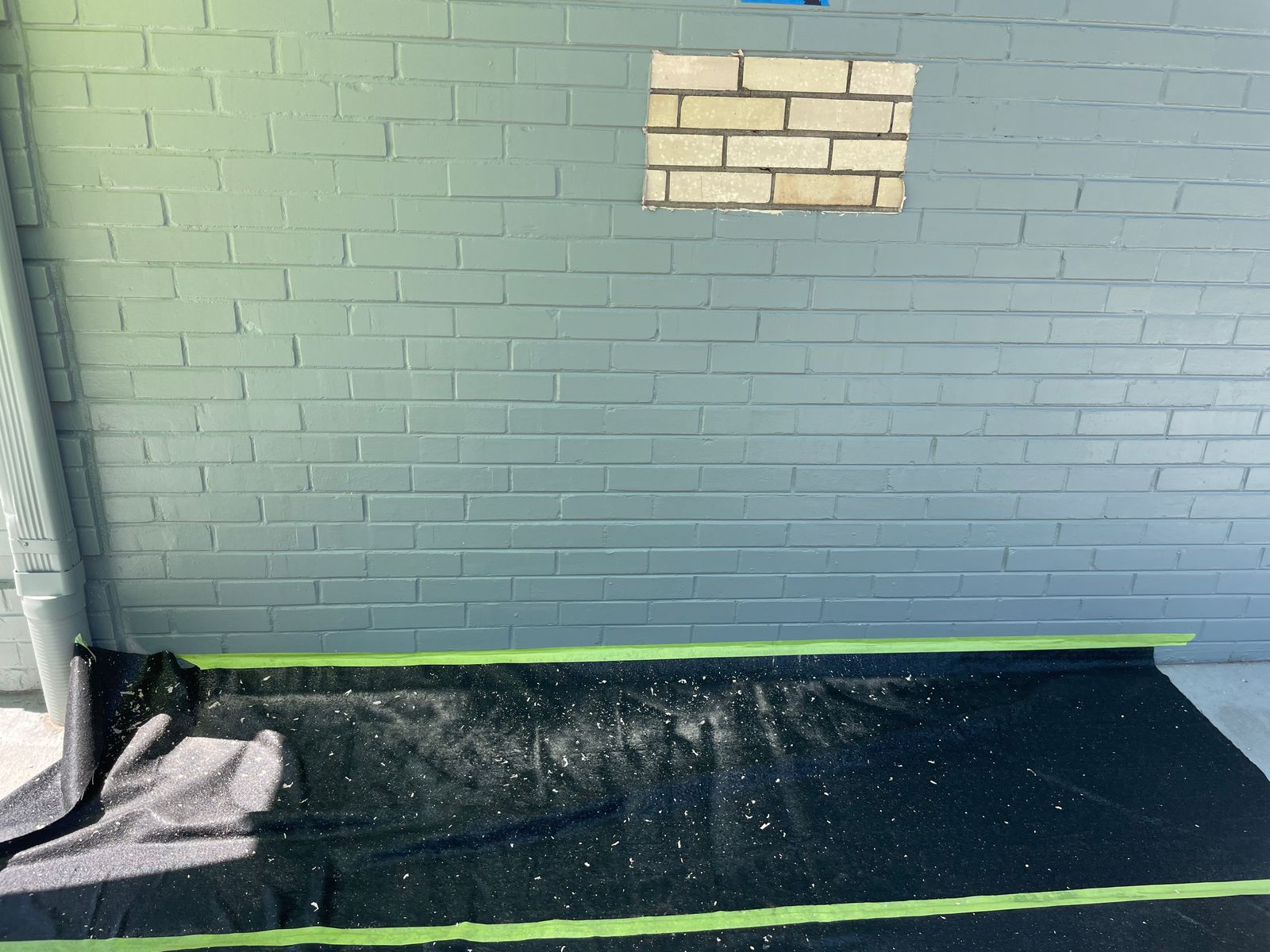
Testing is how you, as the owner, see what can actually be achieved on your building before committing to the full project. Instead of hoping for a result, you look at real brick from your own wall and decide with clear information. Our test panel section below explains what each panel covers.
We approach every project as a new one to learn from, guided by the same core principles. If the first approach does not give the result we are after, we move to a second, a third and beyond until we reach it. Having that range of options takes knowledge, experience and proven methods, and it is a big part of why our paint removal projects reach the finish line.
Honest Expectations for Removing Paint from Brick
In most cases, the result is very satisfying. Sometimes, though, testing or the work itself shows that the brick can only be cleaned so far, because going any further would damage it. Soft or previously damaged brick may hold some color that is better left in place. When that happens, we talk it through with you openly so the decision protects the building.
Results That Make Paint Removal Worth It
Paint removal is some of the strongest work we do. Planned and carried out with care, it can bring back the color, texture and character a building had when it was new. Most homeowners are thrilled with the result, and our clients are routinely amazed when the original brick comes back into view. That comes from a proven process, not from shortcuts.
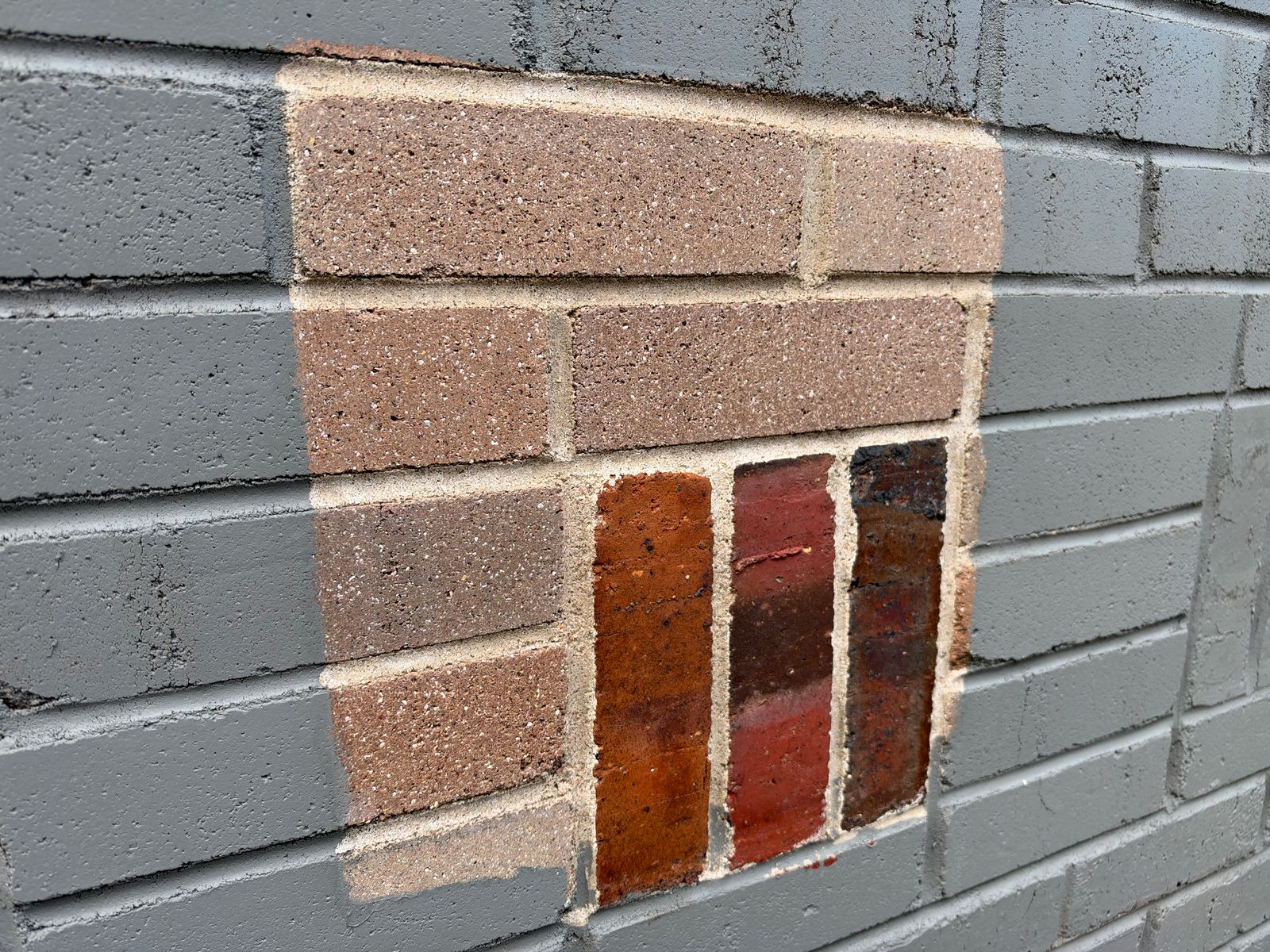
Brick Paint Removal Test Panels: The First Step in Every Paint Stripping Project
Before we set a schedule or a full scope, we prove the method on your wall. We choose one or more small areas that represent the conditions on the building: a sunny elevation and a shaded one, original brick and patched brick, a thin coat and a thick buildup.
What a Test Panel Shows Before We Strip Paint from Brick
- Which stripper and dwell time release the paint on that wall
- How many treatment cycles the coating is likely to need
- How the brick face and mortar joints hold up during the work
- How much residual color may remain in very porous brick
Testing is a paid first phase. You see real results on your own brick before committing to the whole project, and we use the panels to write a clear, honest scope.
The Two-Stage Paint Removal Process in Depth
Stage One: Masonry-Safe Paint Strippers Loosen the Coating
We apply masonry-safe chemical strippers, choosing gentler, lower-impact products where they suit the wall, and let them work for the time the test panels showed. Many older walls carry several coats, from early limewash to modern latex, so a wall may need more than one application. Windows, trim, plants and walkways are covered before we start, and loosened paint is collected rather than washed into the yard.
Stage Two: Conservation Cleaning for Paint Embedded in Brick
Soft, porous brick often keeps traces of paint in its pores after the surface layers come away. In the second stage, specialized conservation cleaning targets that deeper, embedded paint. The aim is to bring the brick back as close to its unpainted appearance as its condition allows, without wearing down the face.
After Paint Removal: Repointing and Brick Repairs
Removing paint often uncovers open joints, cracked units or old patches. We point these out as the work progresses and can follow with repointing, brick replacement or restoration so the finished wall is sound as well as clean. See our brick restoration and tuckpointing and repointing services.
Painted Fireplace and Interior Brick Paint Removal
A painted brick fireplace is one of the most requested interior projects. Many fireplaces were painted white or gray during past remodels, and owners now want the original brick back. Inside a home, the work changes: we protect floors, furniture and nearby walls, manage dust and odor, and choose methods that suit an occupied space.
Removing Paint from Fireplace Surrounds, Hearths and Chimney Breasts
Each part of a fireplace behaves differently. Firebox-adjacent brick may carry soot under the paint, hearth brick takes wear, and a chimney breast may run floor to ceiling. Interior projects are priced by surface and scope once a test panel shows how the paint releases.
Stripping Paint from Interior Brick Walls
Exposed interior brick in lofts and older homes was often painted to brighten a room. Some coatings come off cleanly; others are bonded deep in soft brick. If a test shows full removal is not a good fit, we will say so and talk through options such as partial removal or a breathable limewash.
Paint Removal on Historic Brick Facades
Historic facades raise the stakes. Older neighborhoods around Denver, such as Park Hill, Capitol Hill, Curtis Park, Five Points, Baker and the Highlands, have many brick homes and storefronts that were painted decades ago. On these buildings we plan for multiple paint layers, possible lead content, landmark or district review where it applies, and safe access on tall walls.
Taking paint off a facade can let the masonry dry out again and bring back the original color and texture. We record conditions before and during the work, so you have a clear picture of what the paint was hiding.
Sandstone and Stone Paint Removal
Red and buff sandstone, limestone trim and carved stone details need a separate plan from the brick around them. Sandstone forms in layers and can shed its outer face when pushed too hard. We test stone on its own, use gentle dwell times and lift the coating with care around tooling and carving. Damaged stone found under paint can be handled through our stone masonry repair work.
Graffiti Removal for Brick Buildings and Storefronts
Fresh spray paint is easier to remove than paint that has cured for months, so quick action helps. For businesses, churches and multifamily buildings, we match the remover to the paint and the masonry, work on a small area first and blend the cleaned spot into the wall around it. Where tagging keeps coming back, we can discuss a reversible protective coating that makes later removal simpler.
Paint Removal Case Study: Before and After
Client Reviews of Our Paint Removal Work
See more on our reviews page.
Questions About Removing Paint from Brick
How much does a paint removal test panel cost, and what does the full project cost?
Testing is a paid first phase, priced on its own so you can see results before committing. The full project price comes from what the panels show: the size of the area, access, containment and the number of treatment cycles. Small and interior areas, such as a fireplace surround, are priced by surface and scope.
Can you take paint off a brick fireplace inside my home?
Yes. We protect the room, control dust and odor, and test a small area of the fireplace first. Results depend on the paint, the number of coats and how porous the brick is.
Will removing paint from my fireplace bring back the original brick color?
Usually close to it. Very porous brick can hold faint traces of color, and the test panel shows you what to expect before the full job.
Can you remove paint from interior brick walls?
Yes. Painted interior walls in lofts and older homes are common projects. If a coating is bonded too deeply, we will tell you and suggest options such as partial removal or a breathable limewash.
Why is paint bad for old brick?
Paint keeps moisture from drying out of older brick and stone. Trapped water carries salts, freezes in winter and wears down mortar, which can lead to spalling and loose joints over time.
Will all of the paint come off my brick?
In most cases the results are very satisfying, but not always complete. Testing shows how far the brick can be cleaned safely, and if going further would cause damage, we discuss it with you before deciding.
Can paint removal damage brick?
It can when the wrong method is used. Grinders, harsh blasting and products that were never tested can strip away the hard outer face of the brick. A tested, staged approach protects the brick while the paint comes off.
Why does paint keep peeling on my brick house?
Older brick needs to release moisture. When paint seals the surface, moisture trapped inside the wall pushes the coating off, so new coats keep failing until the cause is addressed.
How many test panels will my wall need?
It depends on the building. A wall with one coating and one type of brick may need a single panel. Walls with sun and shade exposure, patches or several paint layers often need more than one.
What happens in each stage of paint removal?
In stage one, masonry-safe chemical strippers loosen the surface coating. In stage two, specialized conservation cleaning removes deeper paint embedded in porous brick. Repairs such as repointing can follow.
Can paint be removed from sandstone or limestone?
Often, yes. Stone is tested separately from brick, and soft, layered sandstone gets gentle dwell times and no pressure or abrasion that could peel its face.
How fast should graffiti be removed from brick?
As soon as possible. Spray paint that has cured for months bonds deeper into the masonry, so prompt removal is usually easier and leaves less shadow.
Is it worth removing paint from a historic brick facade?
Often it is. Removing paint can let the masonry dry out and bring back its original texture and color. A test panel shows whether the brick beneath is in good enough shape to go unpainted.
Do I need approval to remove paint from a landmark building?
It may be required. Buildings in a designated landmark district or on a historic register can need review before exterior work. We can help you plan the project and the testing around that process.
How long does paint removal from brick take?
Testing comes first, and the panels show how many treatment cycles the wall needs. Once the method is set, we give you a schedule for the full project based on size, access and weather.
Are the products you use safe for my family and the environment?
We prefer gentler, lower-impact methods and products wherever they suit the job. Some coatings need stronger products, and then we take appropriate measures to protect your household, neighboring properties, our workers and the environment: we cover windows, trim, plants and walkways, contain loosened paint and dispose of waste properly.
Do you offer paint removal outside Denver?
Yes. We serve Lakewood, Englewood, Littleton, Aurora, Arvada, Wheat Ridge, Golden, Edgewater, Boulder, Westminster, Centennial, Greenwood Village, Cherry Hills Village, Sheridan, Louisville, Fort Collins, Loveland, Castle Rock and Parker. Call (720) 445-9474 to request a consultation.
Brick Paint Removal Across Denver and the Front Range
Painted brick turns up in every part of the city. We plan paint removal from brick and stone in neighborhoods in Denver including Park Hill, Capitol Hill, Washington Park, Congress Park, Cheesman Park, Curtis Park, Five Points, Baker, Whittier and the Highlands, where many older houses and storefronts were painted decades ago.
Outside the city, we remove paint from brick fireplaces, facades and sandstone trim in Lakewood, Englewood, Littleton, Aurora, Arvada, Wheat Ridge, Golden, Edgewater, Boulder, Westminster, Centennial, Greenwood Village, Cherry Hills Village, Sheridan, Louisville, Fort Collins, Loveland, Castle Rock and Parker.
Ready to start with a test panel? Call (720) 445-9474 or request a consultation.
Tell us about your brick. We will take it from there.
Start Your Project Request
- Tell us what you're seeing on the brick or stone
- Send photographs of the brick or stone and areas of concern
- We review and qualify the inquiry, then recommend the appropriate next step