

The Arizona red sandstone of the Brown Palace Hotel, Manitou sandstone of the Cass Mansion, rhyolite at First Unitarian Church and cast stone at Church of the Advent are part of BRD's restoration record. Each calls for attention to its own grain, composition and place in the building.
We assess sound original material before deciding between patching, a fitted stone insert and replacement in kind. This page also covers terra cotta repair, where fired clay units and their attachments require a different approach from stone. The stone restoration overview introduces the service.
Tell us about your brick. We will take it from there.
Start Your Project Request
- Tell us what you're seeing on the brick or stone
- Send photographs of the brick or stone and areas of concern
- We review and qualify the inquiry, then recommend the appropriate next step
Identifying the Stone on Your Building
Two stones with a similar color can respond differently to water, cleaning and repair. Before selecting a patch or replacement, we identify the material and examine how it is used in the building. A sill, coping and wall block have different exposures even when they came from the same quarry. The work begins with the stone itself, its bedding, surface texture and relationship to the surrounding mortar.
Red Sandstones of Colorado and Arizona
Manitou sandstone at the Cass Mansion and Arizona red sandstone at the Brown Palace are part of BRD's existing restoration record. Their color is only one feature of a match. Grain, bedding, weathered texture and the way a replacement will be worked all affect the result. A red patch chosen from a color chart can still stand out if it has a different aggregate or dries to a smooth surface beside a coarse original.
Sandstone can lose grains, separate along bedding or break at an unsupported edge. Those are different conditions. We examine where the damage stops and whether water is entering from a joint or surface above. Retaining sound original stone is preferable to removing it merely to create a convenient rectangular repair. The repair boundary needs to be sound enough to support the chosen method and discreet enough to preserve the detail.
Rhyolite, Limestone and Cast Stone
Rhyolite is a volcanic stone, and BRD's work at First Unitarian Church includes it. Its durability does not make its joints or surrounding assemblies immune to water. Limestone has its own grain and edge characteristics. Cast stone is a manufactured unit whose aggregate and binder must be considered together. We do not apply a sandstone repair recipe to all three because they happen to occupy similar positions on a facade.
A small test or sample can clarify color and texture before a larger repair proceeds. Identification also establishes what remains uncertain. Where a coating hides the original surface, that condition should be documented instead of assuming the material underneath. Our overview of stone repair and replacement introduces the available approaches; the sections below explain how exposure and construction guide the choice.
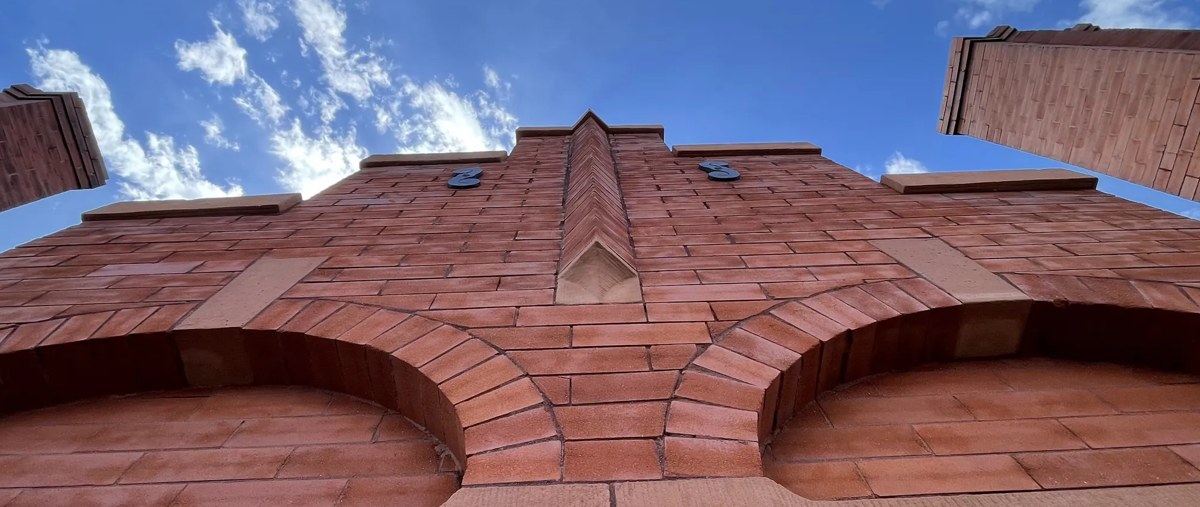
Why Bedding Direction Decides How Stone Fails
Sedimentary stone has a direction in which its layers were formed. When a replacement is cut and installed without regard to that bedding, a face can separate into sheets even though the block initially looked sound. Bedding is therefore part of selecting and orienting new material, not an invisible detail left to chance after the dimensions are measured.
On an existing building, the pattern of separation can help explain whether the problem is limited to a weathered surface or extends through the unit. Water entering from an open joint can worsen a vulnerable bedding plane. We examine adjacent units and the detail above before deciding how much stone to remove. Simply shaving back a peeling face may expose another weak layer without correcting the water path.
A replacement must also work with the surrounding construction. Its bearing, joint dimensions and profile should be established before it is set. Where an original detail is being replicated, the visible face and the concealed bedding orientation need attention at the same time. A visually close piece installed in the wrong orientation can repeat the failure the owner paid to correct.
The location of a stone within the facade changes the demands placed on it. A coping exposes its upper surface, a sill projects beyond the wall, and a wall block may be relatively sheltered except at its joints. Even a correct material match needs a profile that sheds water in the intended direction. We compare the original detail with neighboring retained units before reproducing a shape that may itself have been altered by a previous repair.
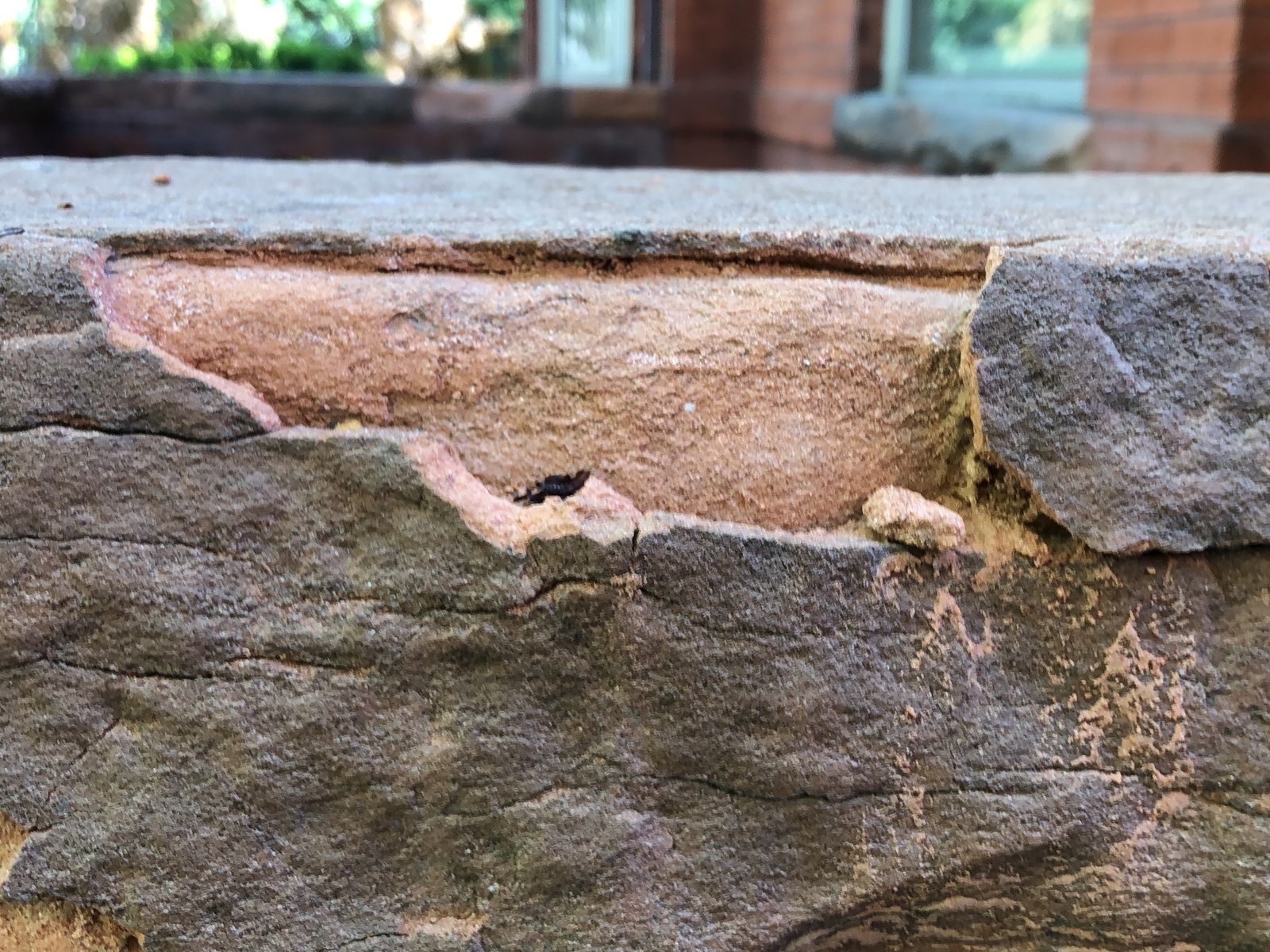
Stone Step and Stoop Repair: Addressing Salt Damage
Steps experience wear underfoot as well as weather. Water can collect at a tread joint, enter beneath a loose unit or follow a crack toward the supporting masonry. De-icing salts carried into the pores can contribute to surface loss as moisture moves and salts crystallize. A rough, flaking tread should be assessed together with its drainage and support rather than treated as a cosmetic blemish.
We distinguish a worn surface from a loose or fractured stone. A surface repair is not a substitute for stable bearing. Where a tread moves, the cause has to be addressed before finishing its edge or joints. The relationship between adjacent risers matters too: a repair should not leave an unexpected change underfoot. The scope should explain which original pieces can remain and which need to be reset or replaced.
Winter care begins with limiting water accumulation and considering products appropriate to the material. Aggressive chipping can damage the same edges an owner is trying to protect. We can discuss observed deterioration and maintenance concerns during the assessment, but a treatment should be selected for the actual stone and conditions. A blanket recommendation to coat every step ignores differences in porosity, finish and exposure.
A repair to an entrance is planned around how people will use it during the work. A tread being reset or a patch being protected cannot be treated as an ordinary walking surface. The scope should identify the affected route and the sequence for reopening it. This practical planning also protects fresh work from premature loading, abrasion or cleaning while the materials are still developing their intended properties.
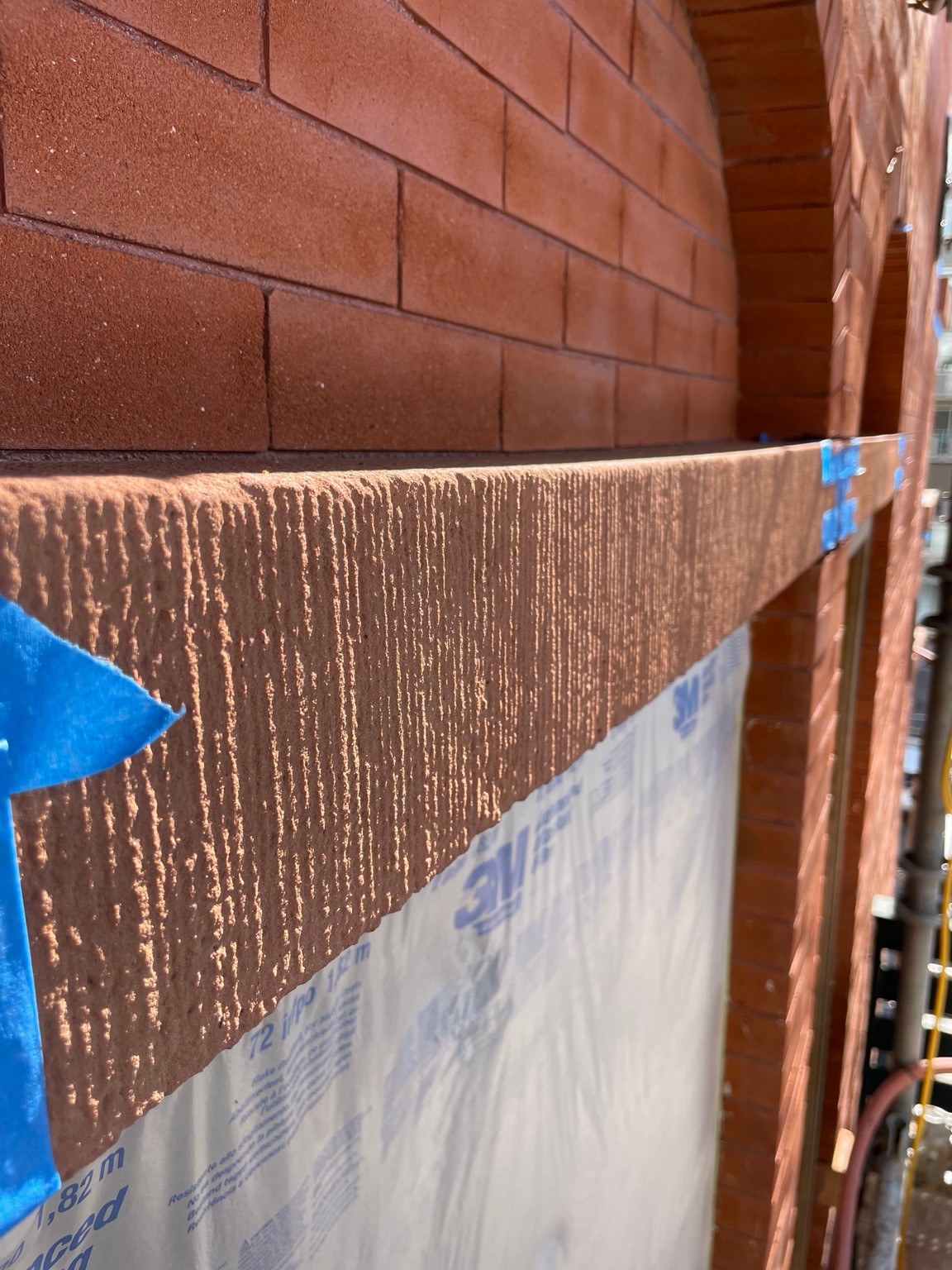
Stone Sill and Lintel Repair and Replacement
Sills and lintels do more weather and structural work than their size suggests. A sill projects from the wall and takes rain, snowmelt and salt on its upper surface, so its slope and the drip on its underside decide where that water goes. A stone lintel carries the masonry over a window or door, and a crack through it, a sag at midspan or crushing at a bearing end calls for a different response from surface weathering.
We start by separating surface loss from a loss of support. A weathered or spalled sill with a sound core may suit a matched repair mortar or a fitted insert that restores its profile and slope. A lintel cracked through its depth, or a sill broken badly enough to let water into the wall below, may need replacement in kind. When a lintel is replaced, the masonry above is supported while the unit is removed, and the new stone is cut to the original dimensions, bedding and finish before it is set.
The joints around these units matter as much as the stone. An open joint at the end of a sill or along the top of a lintel admits water to the wall and the window frame. We repoint those joints with mortar softer than the stone and coordinate with window work where frames or sealant meet the masonry. Repair is preferred while enough sound original stone remains; replacement is reserved for units that can no longer do their job.
Patch, Dutchman or New Stone: Choosing the Repair
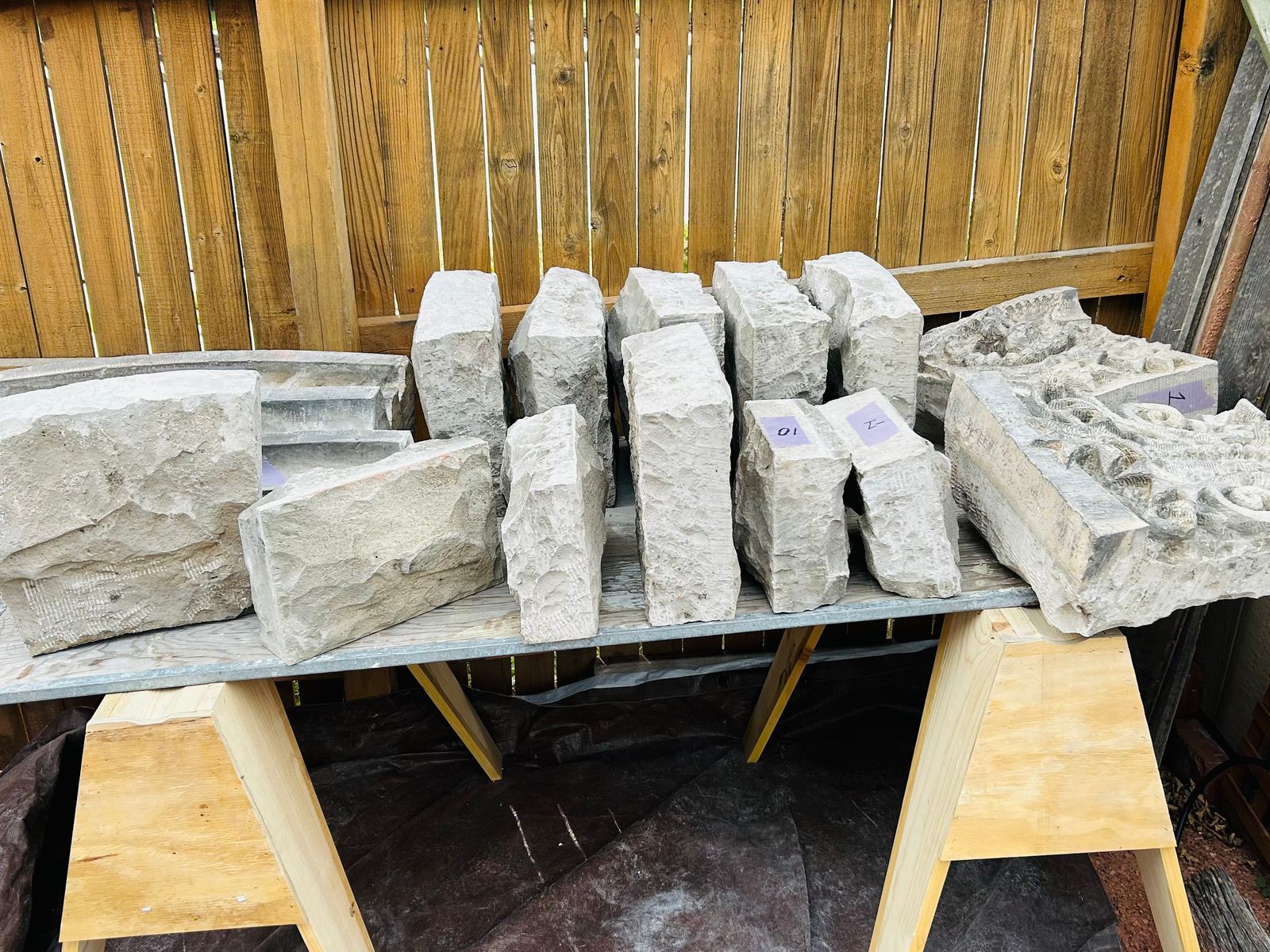
The useful question is how much sound original material remains and what the damaged area has to do. A small loss on a nonbearing face may suit a carefully matched repair mortar. A deeper localized loss can call for a fitted stone insert, often called a dutchman. A unit with widespread deterioration or a compromised structural role may need replacement. The visible size of the blemish alone does not determine the method.
| Method | Condition to assess | Detail to resolve |
|---|---|---|
| Matched patch | Localized surface loss with a sound substrate | Bond, texture, color and water exposure |
| Dutchman | Deeper loss concentrated in one part of a unit | Stone match, bedding, fitting and attachment |
| Replacement in kind | Extensive failure or inadequate remaining support | Profile, bearing, jointing and original material |
Each option should be considered in relation to neighboring work. A hard, dense patch beside soft porous sandstone can change moisture movement and concentrate deterioration at its edge. A fitted insert needs a considered boundary rather than a conspicuous shape chosen only for speed. Replacement requires careful documentation of the original profile so the new piece belongs to the building.
We explain the proposed boundary and finish before completing a large area. A trial repair allows the owner to see how the material behaves as it cures and dries. The sample is also useful for evaluating aggregate and tooling at a normal viewing distance. The aim is a compatible repair that retains the character of the original, not a freshly colored spot that briefly hides damage.
Visibility is another part of the decision. A small repair beside the entrance is viewed differently from one high on a cornice, but both need to be compatible. We evaluate the proposed finish under ordinary light and after drying, not only while the sample is wet. The surrounding stone may have a natural range of color, so a repair should belong to that range rather than impose an artificial uniformity across retained historic material.
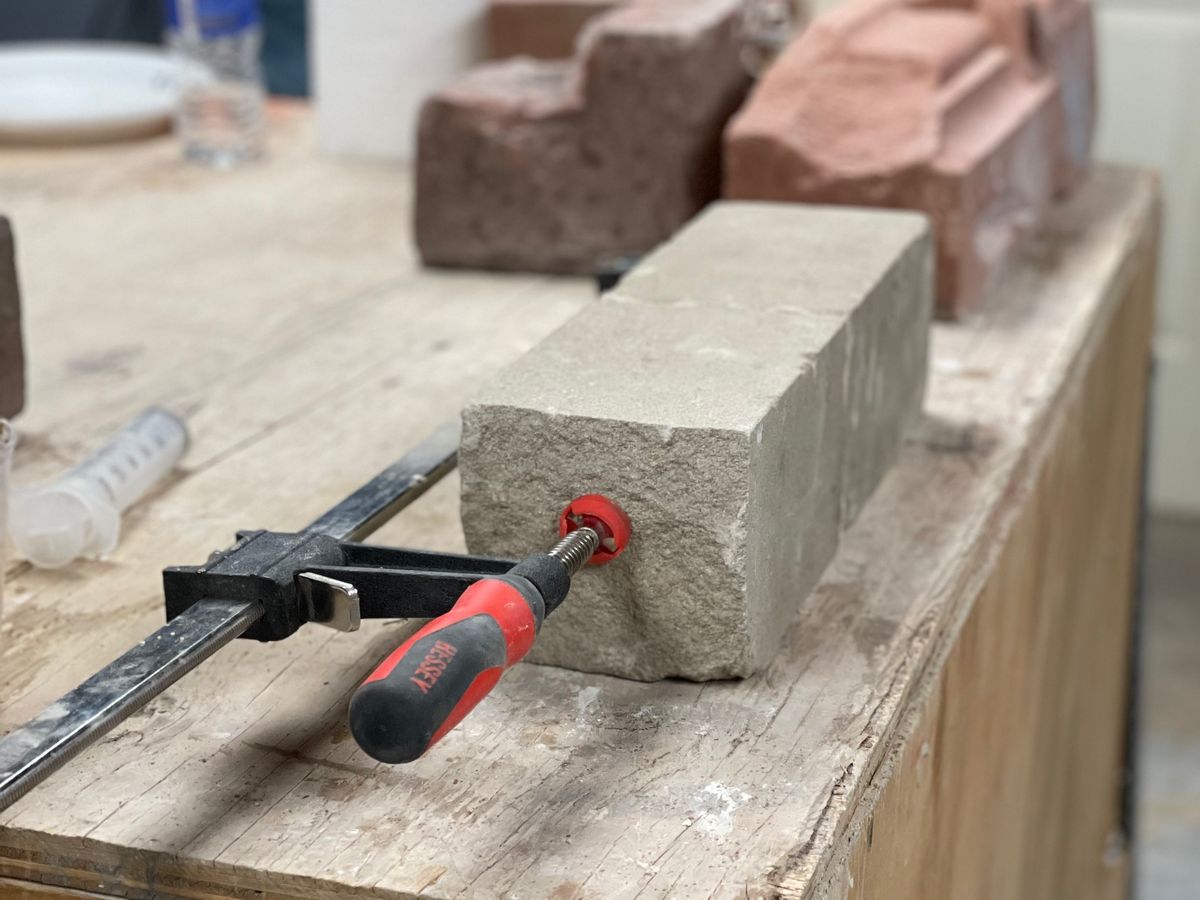
Stone Veneer Repair
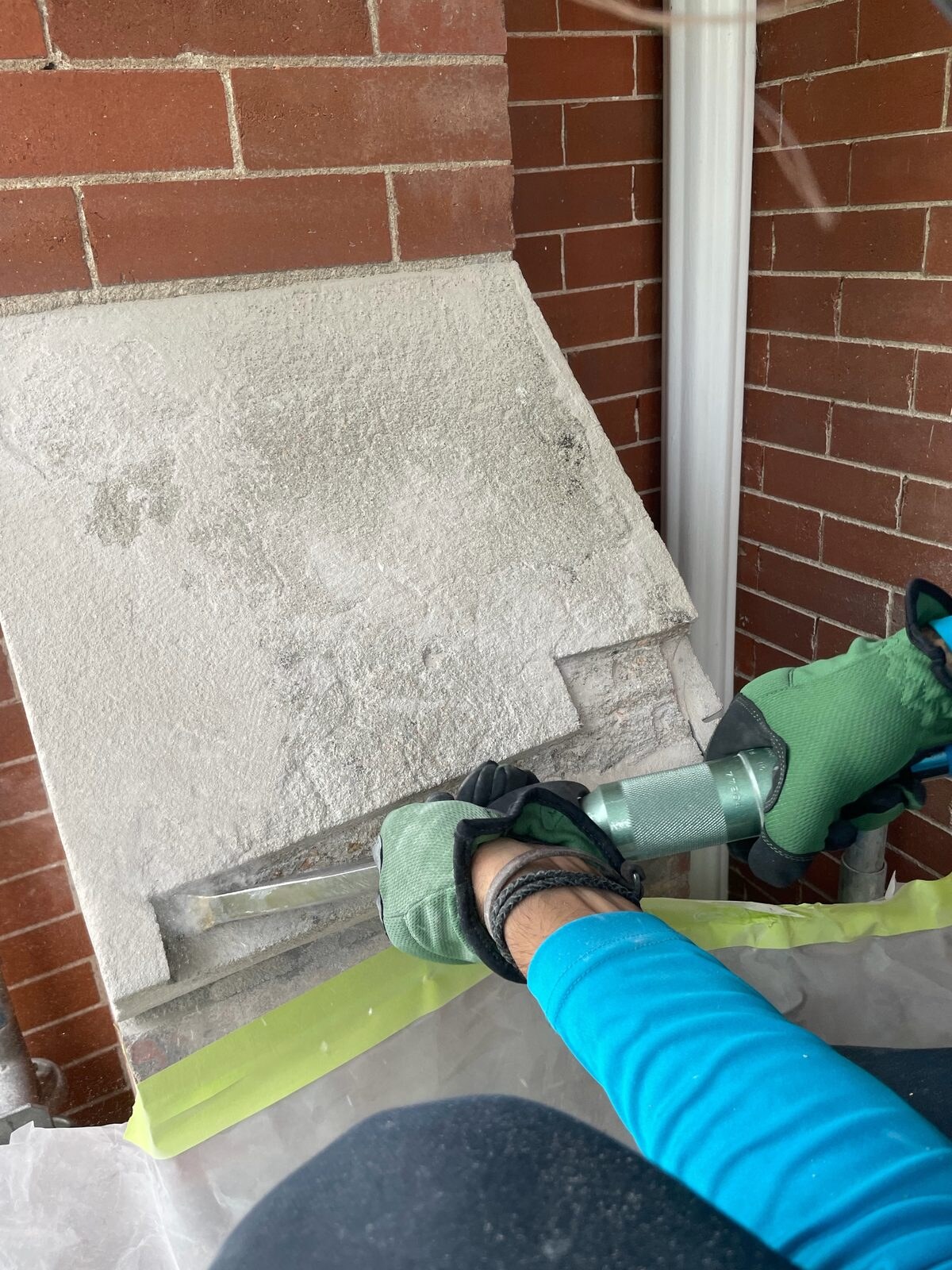
Stone veneer is a facing rather than a load bearing wall, whether it is cut stone panels on an older building or a newer mortared or dry-stack installation on a home. It depends on its backing, its attachment and the details that keep water out behind it. A loose or fallen stone is a reason to examine that assembly, not only to reset the piece that moved.
Before any stone goes back on the wall, we identify the backing and the attachment and look for the water path that loosened it, such as an open joint at a cap, missing flashing at a window, or soil and irrigation against the base. Selective removal may be needed to see the concealed condition. Sound stones are set aside and reused, replacements are chosen to match the type, color and finish of the original, and mortared joints are finished to the existing width and tooling.
The repair is made to the veneer system actually on the wall, and the defects found behind the stone are corrected before any stone is reinstalled. Deteriorated sheathing or backup masonry is repaired so the stone has sound support. A torn or missing water barrier is patched and lapped so water runs down and out rather than behind it. Flashing at caps, sills, windows and the base of the wall is added or corrected so it turns water out of the wall, and weep openings or the weep screed are left clear to drain.
On adhered veneer, where the stone is bonded to the wall with mortar, corroded or poorly fastened lath is replaced and refastened, and a cracked or loose scratch coat is removed back to sound material and reapplied. The stones are then set in fresh setting mortar with full contact on the back of each piece. On anchored veneer, such as cut stone panels on older buildings, corroded or missing anchors and ties are replaced with corrosion-resistant fixings suited to the stone, and the drainage space behind the panels is kept open. Mortared and dry-stack installations are each reinstalled to their own joint pattern, so the repaired area reads as part of the original work. For brick facings on newer homes, see brick veneer repair.
Cast Stone Repair at Church of the Advent
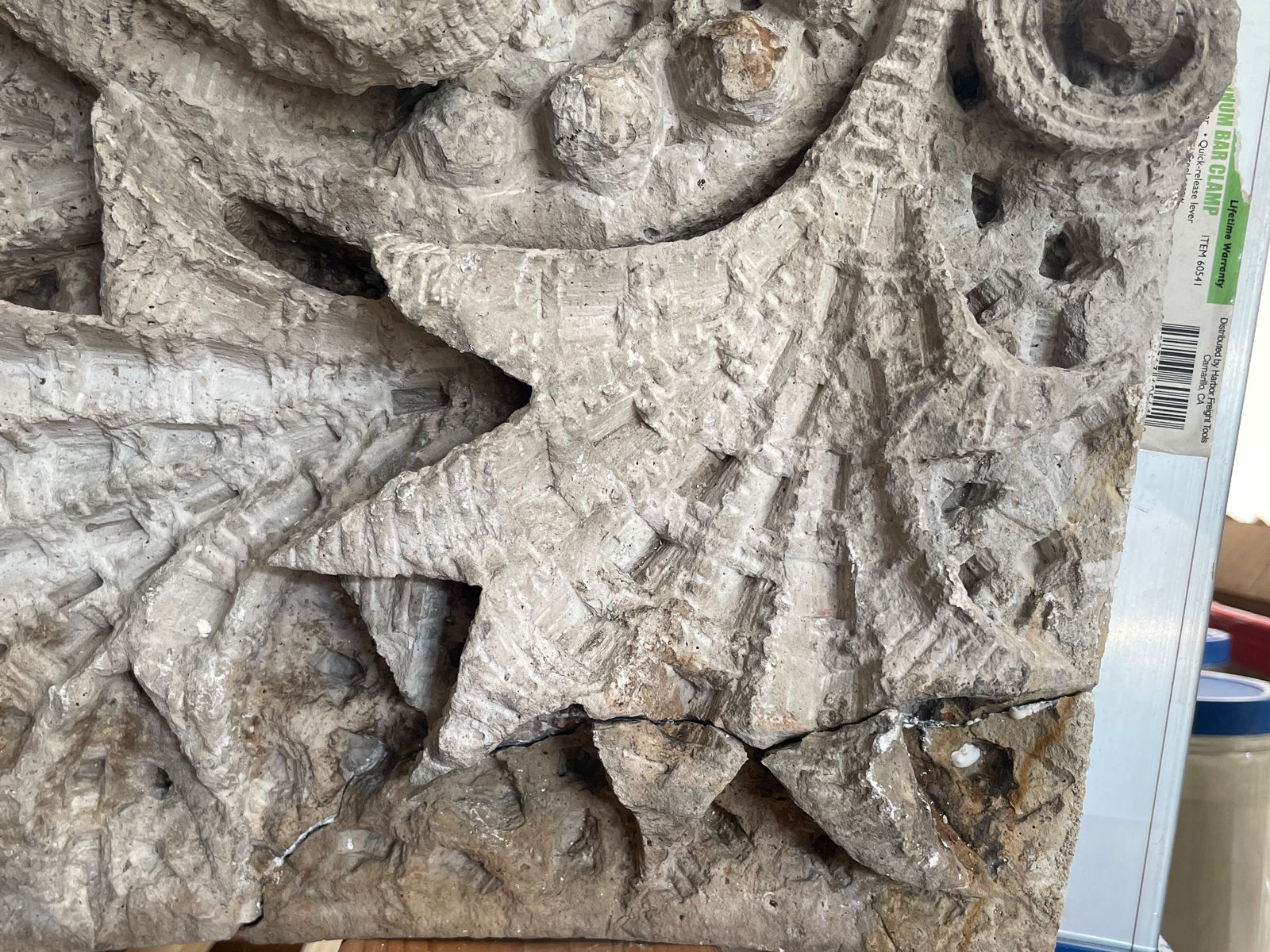
BRD's restoration work at Church of the Advent included cast stone repair alongside masonry cleaning, mortar analysis and matching, and repointing. Cast stone can resemble natural stone in a facade, but its manufactured composition calls for its own assessment. The repair considers the binder, aggregate, profile and surrounding joints rather than relying on appearance alone.
Edges and projecting trim are exposed to impact and concentrated water. Before rebuilding a missing profile, we examine whether the remaining material is sound and whether a nearby joint or coping is contributing to the damage. The finished shape matters because it affects both appearance and drainage. A patch that fills a loss but removes a drip or flattens a slope can change how water reaches the wall below.
The approved photograph records work on the church's cast stone. It is one part of the broader restoration described in our Historic Masonry Restoration record. The approach is to retain serviceable original material, match repairs to it and address the condition causing the loss. We do not treat every manufactured stone unit as interchangeable or assume that the same patch is suitable at every location.
Terra Cotta Repair and Replication
Architectural terra cotta is fired clay, often with a glazed face. It is not natural stone or cast stone, even when it forms a similar cornice, coping or decorative panel. Its hollow construction and attachments can conceal conditions that are not apparent from the street. Repair begins by distinguishing damage to the glaze, loss of the clay body and movement or deterioration in the supporting assembly.
Hollow Units, Anchors and Glaze
Water entering a cracked unit or open joint can reach internal cells and metal attachments. Deteriorating anchors can place stress on the surrounding material, while repeated wetting can worsen glaze and body loss. Covering the visible crack does not establish that a unit is secure. The investigation must consider the attachment, the condition behind the face and the route by which water entered.
The glazed surface can have subtle changes in color and sheen. A repair that matches only the broad color may still be obvious because it reflects light differently. We also consider the exposed edge and the depth of the loss. Where a repair is appropriate, the material and finish need to suit the unit rather than create a dense cap over uncertain substrate.
Patching or Replicating a Terra Cotta Unit
A localized loss with sound surrounding material may be suitable for a matched repair. More extensive damage can require a replacement unit, with its dimensions and ornament recorded before removal. Replication from a mold involves more than reproducing the visible face. The replacement has to fit the assembly and work with the intended support and jointing details.
Copings and cornices deserve particular attention because they protect the wall below. An open top joint or failed attachment can affect a much larger area than the damaged unit itself. Repairs should be sequenced so adjacent units remain supported and the wall is protected while the work is open. Decisions about temporary support and attachment belong in the repair plan rather than being improvised after dismantling.
Our historic cast stone and terra cotta guidance places this work in the context of preserving an existing facade. The homepage stone section provides the broader service overview. No particular terra cotta project or photograph is attributed here without an approved record. The repair method must follow the actual unit, its condition and the requirements of the building.
Where repeated ornament is present, neighboring sound units can help document a missing profile. That record does not remove the need to understand the damaged unit's construction. A replacement that reproduces ornament but ignores the rear connection can leave the assembly unresolved. The work therefore considers the visible detail, the concealed support and the joints around the unit as parts of the same repair. Testing and documentation help distinguish those requirements before material is ordered or original fabric is removed.
Stone on Landmark Buildings We Have Restored
The Brown Palace Hotel, Cass Mansion and First Unitarian Church demonstrate why material identification belongs at the start of restoration. Arizona red sandstone, Manitou sandstone and rhyolite are different materials used in different details. BRD's existing project record identifies the work; it does not imply that a method chosen for one building should automatically be transferred to another.
Landmark work also requires documentation of the proposed change. Retaining an original profile, respecting a joint pattern and choosing a compatible replacement can be part of the review. A repair sample helps turn a general intention to match into something that can be assessed. The scope should distinguish retention, repair and replacement so everyone understands what will remain and what will change.
Our selected historic projects provide context for those decisions. An owner of a smaller building receives the same material questions: what is the stone, why is it failing, and how can the sound work be retained? Landmark experience is useful because of the care and documentation it requires, not because every property needs the same scale of intervention.
Sealers, Coatings and Cleaning on Stone
A coating can change the way stone absorbs and releases moisture. A film forming product may conceal early surface loss while moisture continues entering through joints, edges or the wall behind it. Before applying a treatment, identify the source of wetting and the condition of the original surface. A darker, freshly coated appearance is not evidence that the underlying problem has been repaired.
Cleaning also starts with a test area. The method must suit the stone and the material being removed. Pressure or chemistry that appears to remove a stain quickly can erode a softer surface or change its texture. We evaluate the result after the test has dried and consider adjacent mortar, metal and finishes that need protection during the work.
The brick and stone cleaning service explains this sequence in greater detail. Where a coating is already present, the scope should address whether removal is appropriate and what can reasonably be revealed beneath it. Repairing joints, improving water shedding details and selecting a compatible patch may be more important than applying another surface product.
Our Stone Repair Process
We begin by documenting the material, the damaged area and the surrounding water shedding details. The proposed work then distinguishes sound original stone from losses that need repair or replacement. Access, protection and any approval requirements are included before work starts. The owner should be able to identify the repair boundary and understand why that boundary was chosen.
Where a patch or replacement needs a match, we consider color, grain, texture and profile together. A trial area helps assess the finish. For surrounding mortar, compatibility includes strength and moisture movement as well as appearance. The guide to finding a mortar match explains those considerations, and our mortar analysis process describes the available investigation.
The repair is completed in a sequence that protects retained material and gives new work suitable curing conditions. Joints around a repaired unit are part of that work, not a decorative afterthought. At the walkthrough, we discuss the repaired area, any remaining reserved work and maintenance observations. A clear record is useful when later repairs are needed on another elevation of the same building.
A written repair record is particularly useful when several elevations are being treated over time. It can identify the material used, the agreed sample and the areas where original stone was retained. Later work can then be compared with an actual reference rather than relying on memory. That continuity helps preserve the building's appearance while allowing each new area to be assessed on its own condition.
A repair sample should be retained as a reference while the work proceeds. Looking at a wet mix in a container is different from examining a cured patch in the wall. The reference can show the agreed surface texture, aggregate and profile as well as the color. If the original stone varies across the elevation, that range should be acknowledged rather than promising an identical appearance on every unit.
We also consider how the repair will meet sound material at its edges. Feathering a thin layer over a broad area can obscure the original surface and create a vulnerable boundary. The preparation and geometry should suit the chosen material. Where a fitted replacement is used, the joint and bearing detail are established before setting it. These decisions make the method reviewable and help preserve as much serviceable original stone as the condition allows.
What Clients Say About Our Stone Work
Bruce and his team tuck pointed the stone on the foundation of my 120 year old home. They did a fantastic job of matching the mortar and making the stone look beautiful. I could tell they did not slack on quality.
Bruce was the very first person to thoroughly inspect our damage (faster even that the insurance emergency services folks) and provide critical advice and counsel.
I found Bruce and of all quotes I obtained he spent the most time with me explaining the issue and possible solutions based off his experience, including significant work with engineers on projects.
Stone Masonry Repair FAQs
How do I know what kind of stone my building has?
Color is a starting clue, not a reliable identification on its own. Grain, bedding, texture and the building record can help distinguish sandstone, limestone, rhyolite and manufactured cast stone. We assess the actual material before specifying a repair so a patch or replacement is not selected solely because its color looks similar.
Why is my sandstone peeling in layers?
Bedding direction and repeated wetting can contribute to separation. The assessment considers the depth of the loss and the water path above or around it. Removing a loose sheet does not necessarily expose sound material. The repair should address the cause and determine whether the original unit can be retained.
Can salt damage stone steps?
Salts can enter porous stone with moisture and contribute to deterioration as conditions change. We examine drainage, support and the condition of the tread as well as its surface. Appropriate winter care depends on the material; a coating is not a substitute for correcting a loose step or a persistent water source.
What is a dutchman repair?
A dutchman is a fitted stone insert used to replace a localized damaged portion of a larger unit. Its suitability depends on the remaining stone, the location and the support required. Matching bedding, grain, profile and jointing matters as well as color. It is one option between a surface patch and full replacement.
Should stone be sealed?
Not automatically. A film forming treatment can restrict drying while water continues entering elsewhere. Identify the material, the source of moisture and any existing coating first. Cleaning tests and repair of joints or water shedding details may be more appropriate than applying a product across the whole surface.
Is terra cotta repaired the same way as stone?
No. Architectural terra cotta is fired clay, often glazed and hollow, with attachments that require their own assessment. Glaze damage, body loss and an insecure connection are different conditions. A repair must consider the unit and the assembly behind it rather than treat it as a solid natural stone block.
Can a broken terra cotta unit be replicated?
Replication from a mold can be appropriate where a unit cannot be retained, but the profile, dimensions and support details need to be established first. A replacement must fit the assembly as well as reproduce the visible face. No named terra cotta project is attributed here without an approved project record.
Have you restored landmark stone buildings?
BRD's existing project record includes Arizona red sandstone at the Brown Palace Hotel, Manitou sandstone at Cass Mansion, rhyolite at First Unitarian Church and cast stone at Church of the Advent. Those materials require different assessments. The Historic Masonry Restoration page provides the broader project context.
Stone Masonry Repair Across Denver and the Front Range
Stone repairs in Capitol Hill, LoDo, Country Club, Cheesman Park, Congress Park, Montclair, Park Hill and Five Points begin with identifying the stone and the source of deterioration. We consider bedding, joints, copings and adjoining brick before deciding which material can remain and which details need repair.
We also serve Lakewood, Englewood, Littleton, Aurora, Arvada, Wheat Ridge, Golden, Edgewater, Boulder, Westminster, Centennial, Greenwood Village, Cherry Hills Village, Sheridan, Louisville, Fort Collins, Loveland, Castle Rock, Parker. Describe the property, the condition and any access concerns in your request. Photographs help us understand the condition. We review your information and photographs, qualify the inquiry, then recommend the appropriate next step.
Tell us about your brick. We will take it from there.
Start Your Project Request
- Tell us what you're seeing on the brick or stone
- Send photographs of the brick or stone and areas of concern
- We review and qualify the inquiry, then recommend the appropriate next step